
When Should Babies Stop Using a Sleep Sack? 👶➡️🧒
If your baby has been sleeping in a sleep sack for months—or even years—you may eventually wonder:
"When should I stop using it?"
The answer surprises many parents.
There is no universal age when every child must stop using a sleep sack.
In fact, many toddlers continue using sleep sacks long after their first birthday.
Quick Answer
Do Babies Outgrow Sleep Sacks?
Not necessarily.
Sleep sacks are available in larger sizes specifically because many toddlers enjoy the comfort and familiarity they provide.
For some children, a sleep sack becomes an important part of their bedtime routine.
Others naturally lose interest and transition to traditional bedding earlier.
Signs Your Child May Be Ready To Stop Using A Sleep Sack
- They consistently ask for regular blankets.
- They seem uncomfortable in their current sleep sack size.
- They are transitioning to a toddler bed.
- They frequently remove the sleep sack on their own.
- They prefer sleeping without wearable sleepwear.
Remember that none of these signs automatically mean a transition is required.
When Do Most Families Transition?
| Age | Common Sleep Setup |
|---|---|
| 0–12 Months | Sleep Sack |
| 12–24 Months | Sleep Sack or Walker Sleep Sack |
| 2–3 Years | Walker Sleep Sack or Blanket |
| 3+ Years | Often Traditional Bedding |
What About Walker Sleep Sacks?
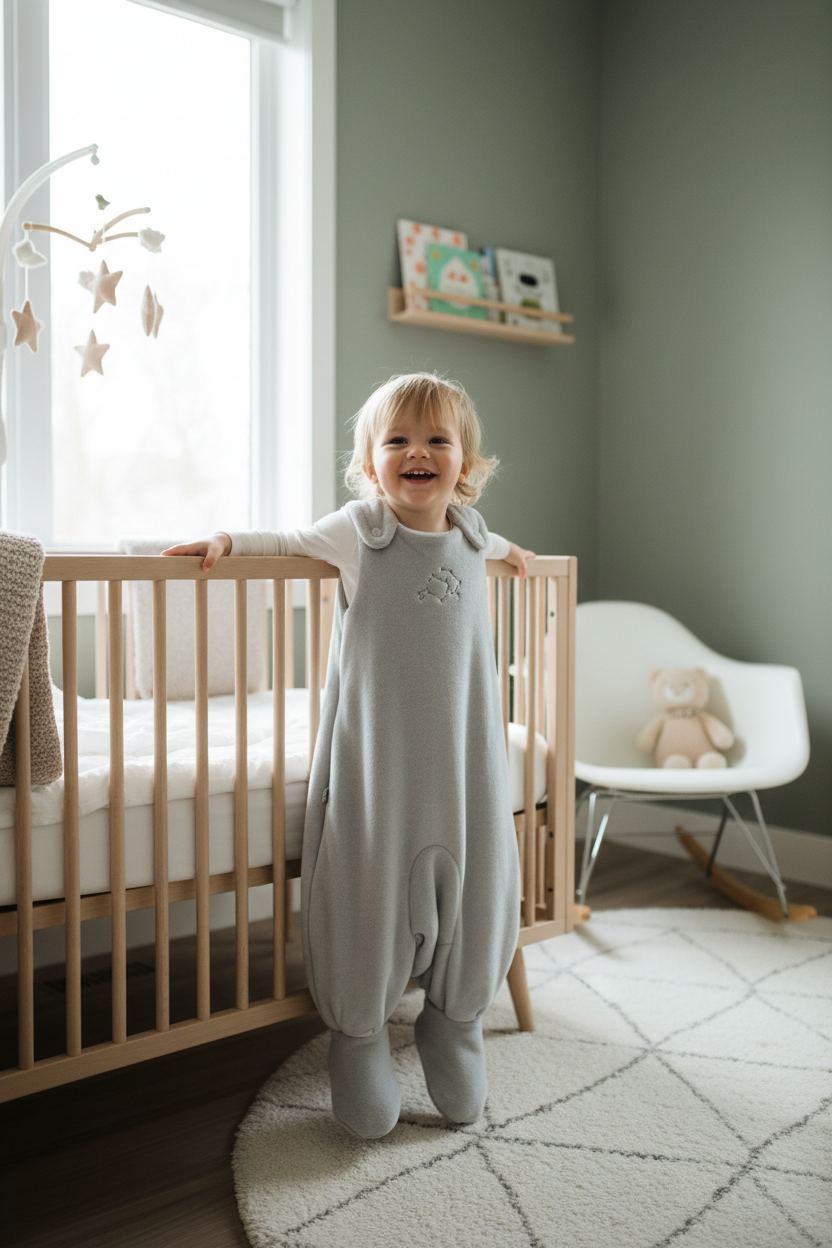
Walker sleep sacks are designed for toddlers who are already walking independently.
Unlike traditional sleep sacks, they include leg openings that allow movement while maintaining the comfort of wearable sleepwear.
Many families use walker sleep sacks as a bridge between standard sleep sacks and traditional blankets.
Climate Can Affect The Decision
Families in Texas and Florida often continue using lightweight sleep sacks because indoor air conditioning can create cool sleeping environments year-round.
California families frequently switch TOG ratings throughout the year while maintaining the same sleep sack routine.
New York City parents often adjust sleep clothing during seasonal temperature changes.
The transition away from sleep sacks is usually based more on developmental readiness than climate.
Benefits Of Staying In A Sleep Sack Longer
- Consistent bedtime routine
- Comfort and familiarity
- Reduced blanket kicking
- Easy temperature management
- Suitable for naps and nighttime sleep
How To Transition Out Of A Sleep Sack
If your child seems ready, gradual changes often work best.
- Start with naps.
- Introduce blankets slowly.
- Maintain the same bedtime routine.
- Consider a walker sleep sack first.
- Allow time for adjustment.
Final Thoughts
There is no magic age when every child should stop using a sleep sack.
Many toddlers happily continue using sleep sacks beyond age two, while others transition earlier.
The best time to stop is when your child appears ready and comfortable with the change.
👉 Related: Sleep Sack vs Blanket
👉 Related: How Many Sleep Sacks Do I Need?
👉 Related: Walker Sleep Sacks
Ready For The Next Sleep Stage? ✨
Explore breathable bamboo sleep sacks and walker sleep sacks designed for growing toddlers.
SHOP WALKER SLEEP SACKS


Laisser un commentaire
Ce site est protégé par hCaptcha, et la Politique de confidentialité et les Conditions de service de hCaptcha s’appliquent.