
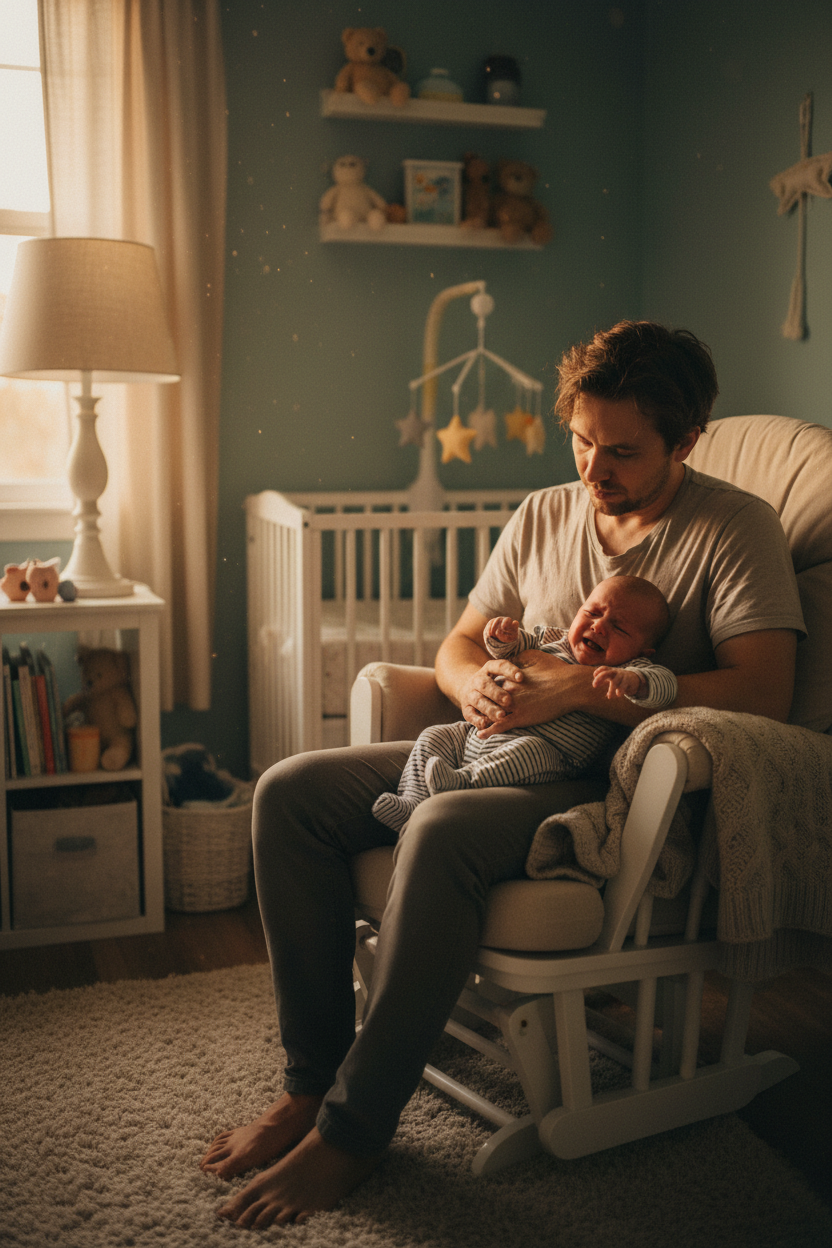
Baby Fights Sleep at Bedtime: Why It Happens and What to Do 😩💤
You can see the sleepy eyes.
The yawns are coming. Your baby is clearly tired.
And yet somehow bedtime turns into a battle.
If your baby cries, arches their back, squirms, or seems determined to stay awake, you're experiencing one of the most common sleep challenges parents face.
Quick Answer

Why Do Babies Fight Sleep?
Many parents assume that a tired baby will simply fall asleep.
In reality, babies often become more difficult to settle when they're overly tired.
Sleep resistance is usually a sign that something in the sleep equation isn't quite working for your child at that moment.
1. Overtiredness
This is one of the most common causes of bedtime battles.
When babies stay awake too long, their bodies can become overstimulated, making it harder to settle.
Common signs include:
- Rubbing eyes
- Fussiness
- Hyperactive behavior
- Crying when placed in the crib
- Frequent night waking
2. Undertiredness
Sometimes babies simply aren't tired enough yet.
If naps ran long or bedtime arrives too early, your baby may resist sleep because they're not ready.
3. Too Much Stimulation
Busy evenings can make it harder for babies to transition into sleep mode.
Bright lights, screens, loud activities, or exciting play right before bed may contribute to bedtime struggles.

4. Developmental Milestones
Learning new skills often affects sleep.
Rolling, crawling, standing, and language development can temporarily disrupt bedtime routines.
5. Discomfort
Sometimes the issue is environmental rather than behavioral.
- Room too warm
- Room too cold
- Wet diaper
- Uncomfortable clothing
- Unexpected noise
How To Make Bedtime Easier
Create A Predictable Routine
Many babies thrive on consistency.
A simple bedtime routine might include:
- Bath
- Pajamas
- Sleep sack
- Feeding
- Story or cuddles
- Bedtime
Watch Wake Windows
Timing often matters more than parents expect.
Paying attention to your baby's natural sleepy cues can help prevent overtiredness.
Keep The Sleep Environment Comfortable
Darkness, comfortable room temperatures, and consistent sleep conditions can help support smoother bedtimes.
Use Familiar Sleep Cues
Many families use sleep sacks as part of a predictable bedtime routine.
The routine itself often becomes a signal that sleep is approaching.
Regional Considerations
Texas and Florida parents frequently find that warm nursery temperatures contribute to bedtime resistance during summer months.
California heatwaves may temporarily affect sleep comfort.
In New York City apartments, noise and temperature fluctuations can sometimes disrupt bedtime routines.
A comfortable sleep environment remains important no matter where you live.
When Does This Phase End?
For many babies, bedtime resistance comes and goes throughout infancy and toddlerhood.
Developmental leaps, schedule changes, and growth spurts can all temporarily influence sleep patterns.
Consistency usually helps more than perfection.

Final Thoughts
If your baby fights sleep at bedtime, you're dealing with a very common parenting challenge.
Most cases improve by adjusting schedules, reducing stimulation, and creating a predictable bedtime routine.
Remember that sleep development isn't always linear, and difficult nights don't mean you're doing anything wrong.
👉 Related: Baby Wakes Up After 30 Minutes
👉 Related: When Do Babies Sleep Through the Night?
👉 Related: Is My Baby Too Hot at Night?
Create a Better Bedtime Routine ✨
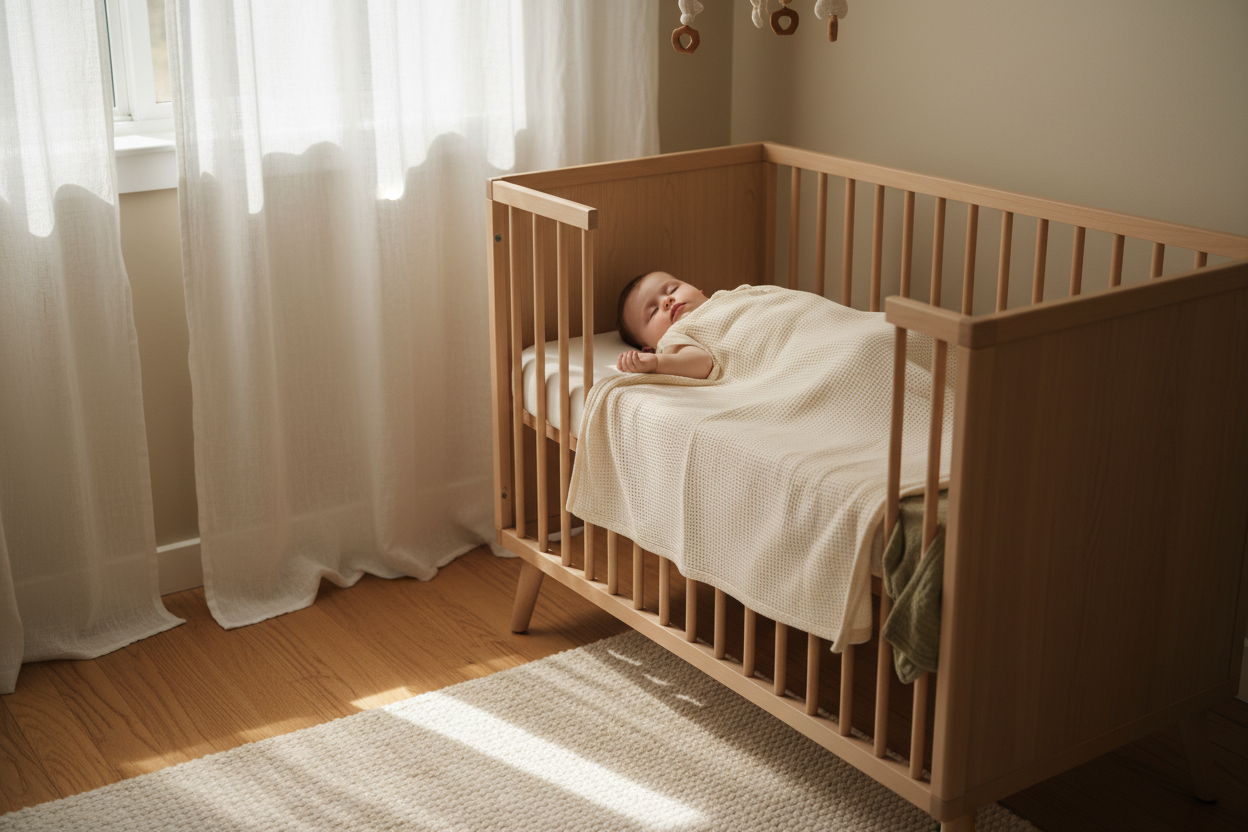
Soft, breathable bamboo sleep sacks can become part of a familiar bedtime routine your baby recognizes and loves.
SHOP SLEEP SACKS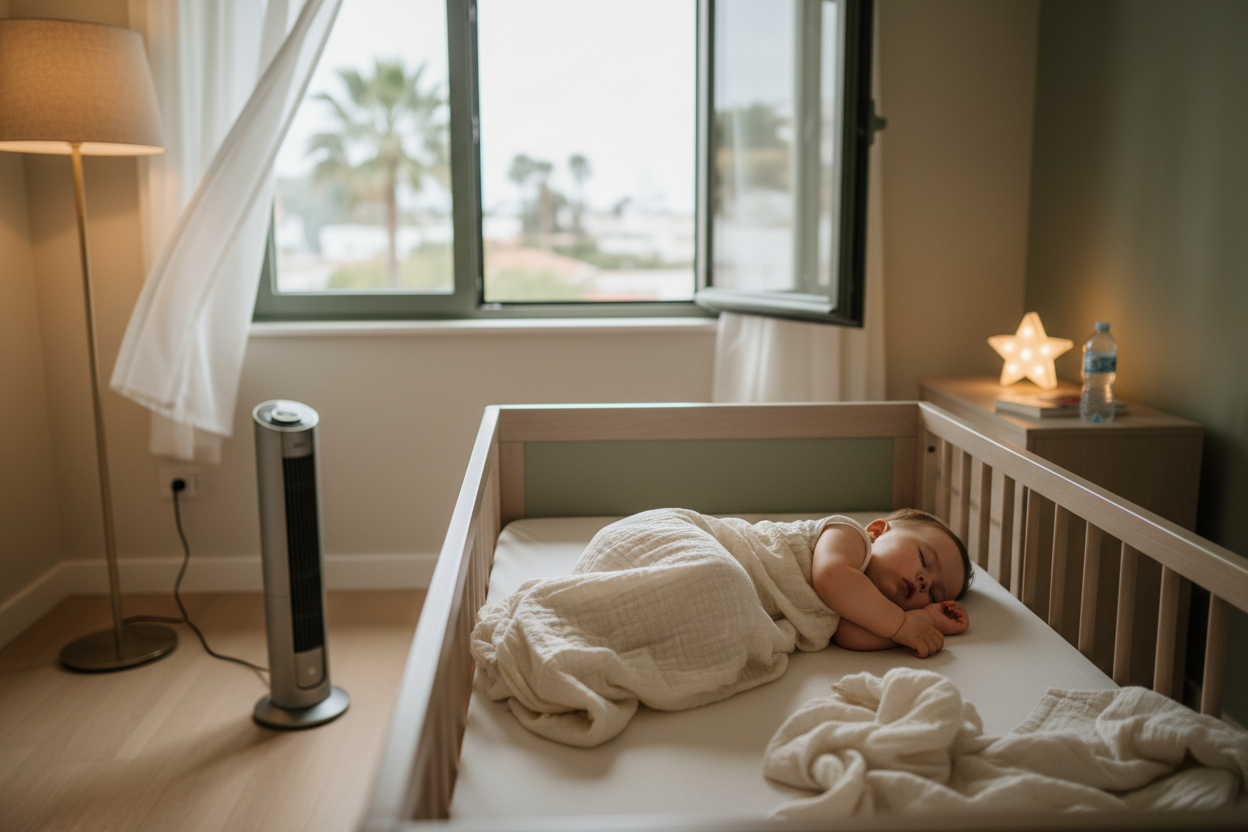


Laisser un commentaire
Ce site est protégé par hCaptcha, et la Politique de confidentialité et les Conditions de service de hCaptcha s’appliquent.