

Why Does My Baby Wake Up After 30 Minutes? 😴
You finally get your baby down for a nap.
You start answering emails, folding laundry, or maybe even sitting down with a cup of coffee.
Then it happens.
Thirty minutes later, your baby is awake again.
If you're wondering why your baby keeps taking short naps, you're not alone. This is one of the most common sleep questions parents ask during the first year.
Quick Answer

Understanding the 30-Minute Nap
Baby sleep cycles are much shorter than adult sleep cycles.
For many infants, a single sleep cycle lasts around 30 to 50 minutes.
When your baby reaches the end of that cycle, they briefly enter a lighter stage of sleep.
Some babies naturally transition into another cycle. Others wake completely.
Common Reasons Babies Wake After 30 Minutes
1. Sleep Cycle Transition
The most common reason is simply developmental.
Your baby may not yet have the ability to connect sleep cycles consistently.
2. Overtiredness
A baby who stays awake too long before a nap may actually sleep less, not more.
Overtired babies often have difficulty staying asleep.
3. Undertiredness
On the other hand, if your baby wasn't tired enough when the nap began, they may wake after a single sleep cycle.
4. Sleep Environment
Light, noise, temperature changes, and discomfort can interrupt sleep during cycle transitions.

Could Room Temperature Affect Naps?
Yes.
Babies who are too warm or too cold may wake more easily during lighter stages of sleep.
Many families find that maintaining a comfortable sleep environment helps support longer naps.
Appropriate clothing layers and sleep sack choices can also contribute to comfort.
Sleep Challenges Across Different Climates
Parents in Texas and Florida often notice nap disruptions during warmer months when indoor temperatures fluctuate.
California families may experience different sleep conditions depending on coastal or inland climates.
In New York City apartments, room temperature can vary considerably throughout the year.
Regardless of location, your baby's sleep environment matters more than outdoor weather.
How to Encourage Longer Naps
- Follow age-appropriate wake windows
- Create a consistent nap routine
- Darken the room
- Use white noise if helpful
- Keep room temperature comfortable
- Give your baby time to practice connecting sleep cycles
Many babies naturally improve their nap length as they grow and develop.

People Also Ask
Is a 30-minute nap normal for babies?
Yes. Short naps are common during infancy, especially before babies learn to connect sleep cycles consistently.
Why does my baby wake up exactly after 30 minutes?
This often occurs at the end of a sleep cycle when babies briefly enter lighter sleep.
Will my baby eventually take longer naps?
Many babies naturally begin taking longer naps as they mature and develop better sleep consolidation.
Can a sleep sack help with naps?
A comfortable sleep sack can become part of a consistent sleep routine and help signal sleep time.
Final Thoughts
A baby waking after 30 minutes is frustrating, but it is also very common.
In many cases, short naps improve naturally with age, development, and consistent sleep routines.
Focus on creating a comfortable sleep environment and supporting healthy sleep habits rather than chasing a perfect nap schedule.
👉 Related: Baby Hates Sleep Sack? Here's What To Do
👉 Related: Is My Baby Too Hot at Night?
👉 Related: Baby Sleep Temperature Guide for Summer
Build Better Sleep Habits ✨
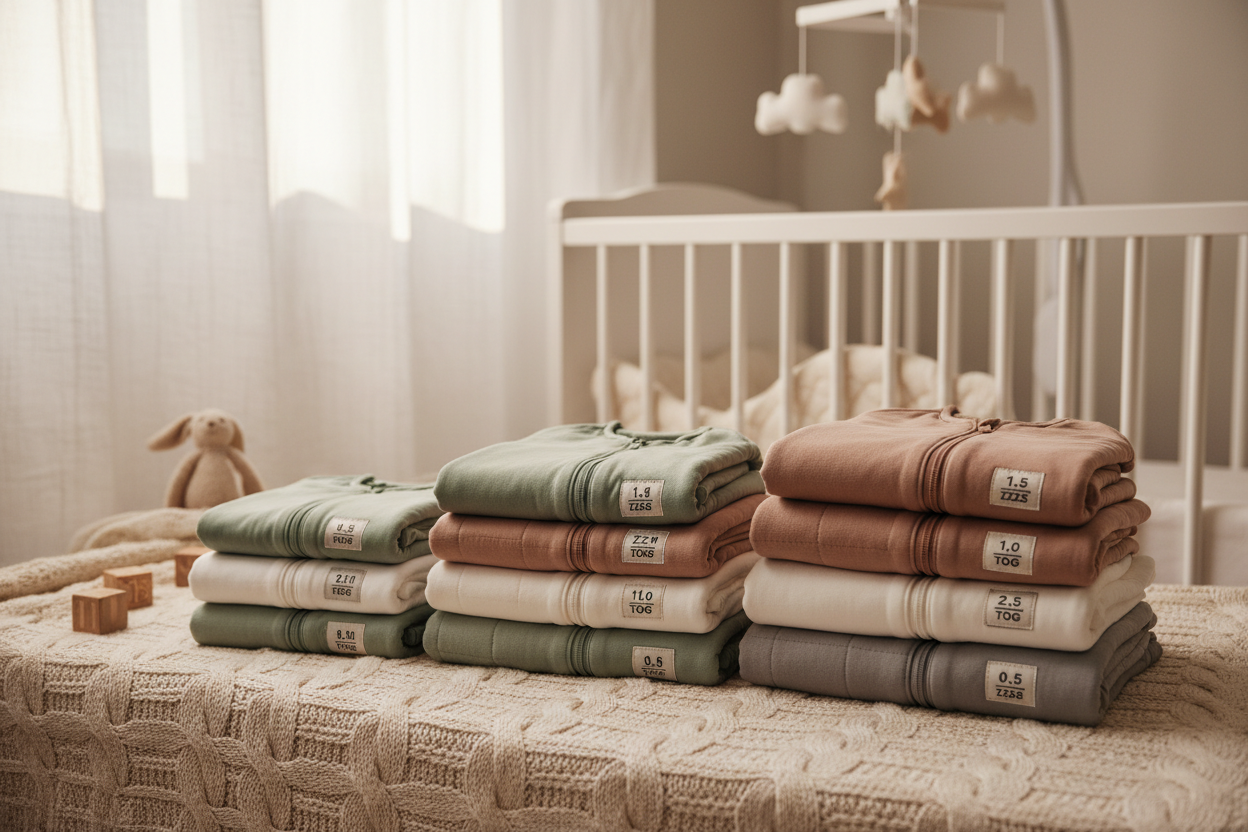
Comfortable bamboo sleep sacks designed for naps, bedtime, and year-round sleep.
SHOP SLEEP SACKS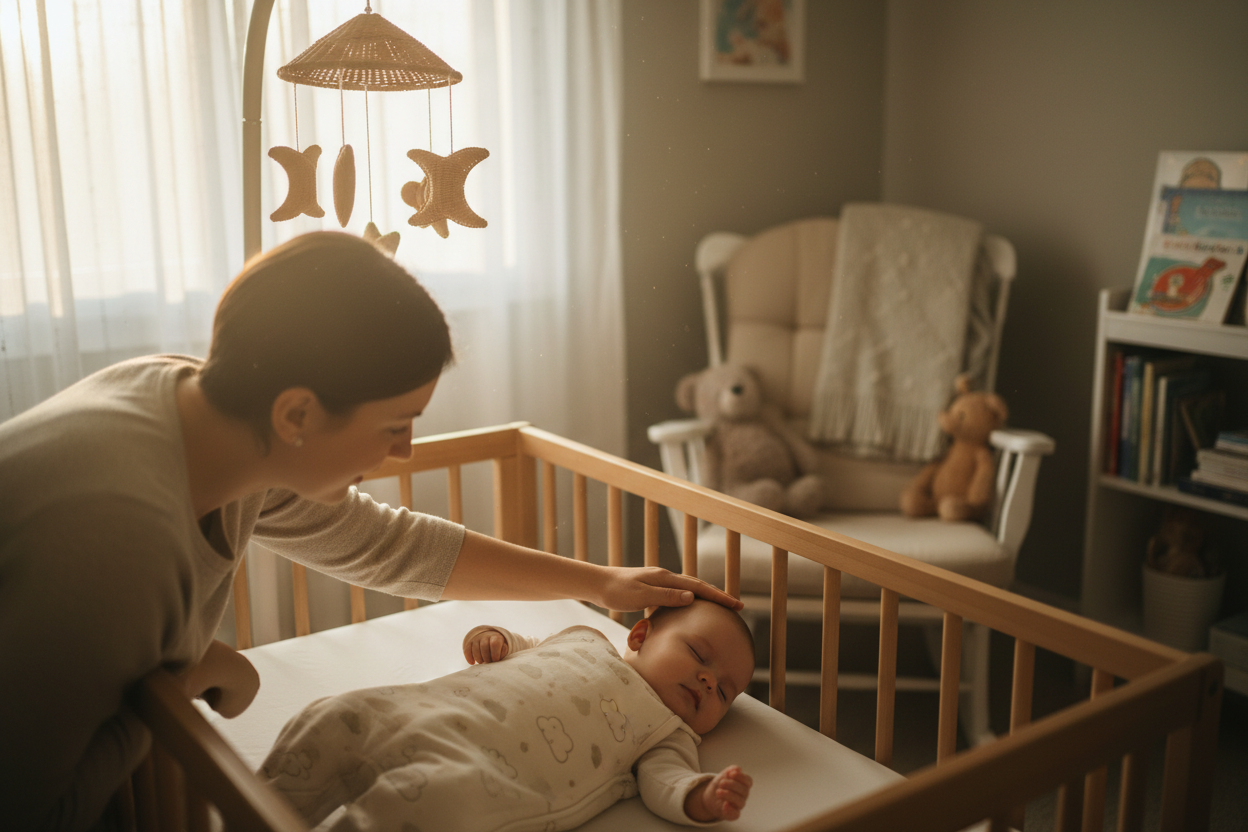


Laisser un commentaire
Ce site est protégé par hCaptcha, et la Politique de confidentialité et les Conditions de service de hCaptcha s’appliquent.