
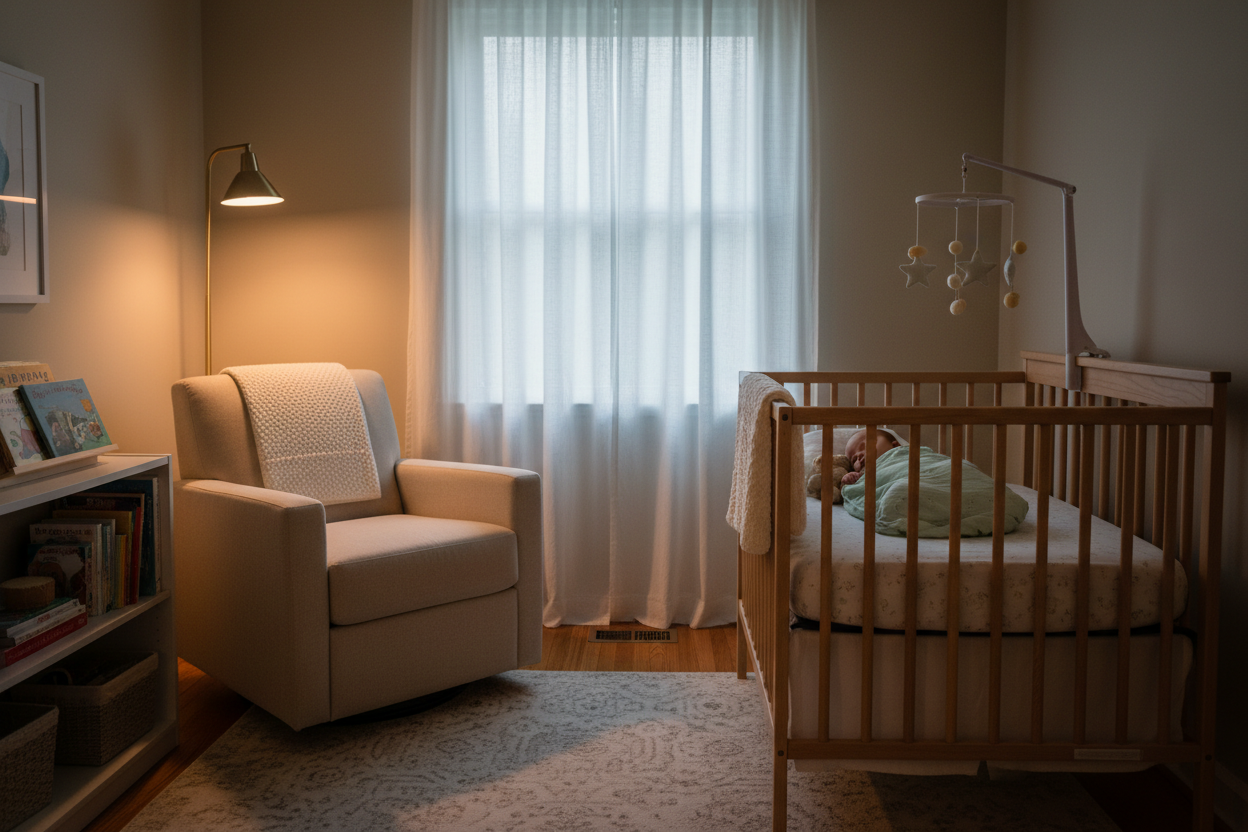
When Do Babies Sleep Through the Night? 🌙👶
After weeks or months of nighttime wake-ups, many parents find themselves asking the same question: "When will my baby finally sleep through the night?"
Maybe you are waking up every two hours with a newborn. Maybe your older baby was sleeping better but suddenly started waking again. Or maybe you are wondering if your baby's sleep pattern is normal.
The truth is that every baby develops differently. Some babies sleep longer stretches earlier, while others need more time to build consistent nighttime sleep.
Understanding realistic sleep milestones can help you know what to expect—and what you can do to support healthier sleep habits.
Quick Answer

What Does "Sleeping Through the Night" Actually Mean?
Many parents imagine sleeping through the night means a baby sleeps for 10–12 hours without waking. However, infant sleep experts often use a shorter definition.
For many babies, sleeping through the night means sleeping a longer stretch of about 5–6 hours without needing help.
A baby may still briefly wake between sleep cycles but learn to settle back down independently.
Night waking is normal for babies, especially during the first year. Waking does not mean your baby is doing something wrong.
When Do Babies Usually Sleep Longer Stretches?
Why Does My Baby Still Wake Up at Night?
Even babies who were sleeping well may go through periods of increased waking. Common reasons include:
- ✓ Hunger or changing feeding needs
- ✓ Developmental milestones
- ✓ Sleep regression periods
- ✓ Teething or discomfort
- ✓ Changes in routine
- ✓ Temperature or clothing discomfort
The Role of Sleep Environment
A comfortable sleep environment can support better rest. While a sleep sack does not make a baby sleep through the night by itself, consistent sleep cues can help babies understand when it is time to rest.
Factors like room temperature, breathable fabrics, and appropriate sleepwear all play a role in creating a comfortable bedtime routine.
Bubble Panda Expert Tip 🤍
A predictable bedtime routine can become a powerful sleep signal. Simple steps like pajamas, a breathable bamboo sleep sack, dim lights, and quiet time can help your baby prepare for sleep.
How Can You Help Your Baby Sleep Longer at Night?
While every baby has their own timeline, there are gentle ways to support healthier sleep habits. The goal is not forcing your baby to sleep before they are ready—it is creating the best conditions for good sleep.
1. Create a Consistent Bedtime Routine
Babies learn through repetition. A predictable bedtime routine helps your baby recognize that nighttime is coming and prepares their body for rest.
- ✓ Bath or quiet cleanup time
- ✓ Pajamas and sleep sack
- ✓ Feeding and calming activities
- ✓ Dim lights and a peaceful environment
- ✓ Same bedtime steps each night
2. Make Sure Your Baby Is Comfortable
Sometimes frequent waking is connected to simple comfort issues. Babies may wake more often when they are too warm, too cold, or uncomfortable in their sleepwear.

Does a Sleep Sack Help Babies Sleep Longer?
A sleep sack does not guarantee longer sleep, but it can support a consistent bedtime environment.
Many babies find comfort in familiar sleep cues. Wearing the same type of sleep sack each night can become part of their routine and signal that it is time to rest.
- ✓ Creates a consistent bedtime signal
- ✓ Keeps sleepwear in place during the night
- ✓ Helps maintain comfortable warmth
- ✓ Avoids relying on loose blankets
Common Mistakes When Trying to Improve Baby Sleep
When Should Parents Adjust Sleep Expectations?
Babies are constantly changing. A baby who sleeps well one month may wake more often during a growth period, illness, or developmental milestone.
Instead of focusing only on the number of hours, look at the overall pattern:
- ✓ Is your baby comfortable?
- ✓ Is bedtime predictable?
- ✓ Is your baby getting enough daytime sleep?
- ✓ Is the sleep environment supportive?
Regional Tips
Texas: Many families use air conditioning year-round, so checking nursery temperature is important. A lightweight bamboo sleep sack can help prevent overheating.
Florida: Warm and humid nights may require breathable sleepwear and lighter TOG options to keep babies comfortable.
California: Temperature changes between coastal mornings and evenings may require adjusting sleep layers throughout the year.
New York City: Seasonal changes and indoor heating can affect nursery temperatures, making a TOG guide helpful for choosing sleepwear.

Bubble Panda Sleep Sack Recommendation
Helping your baby sleep through the night is not about finding one magic solution. A comfortable sleep environment, consistent bedtime routine, and the right sleepwear can all work together to support better rest.
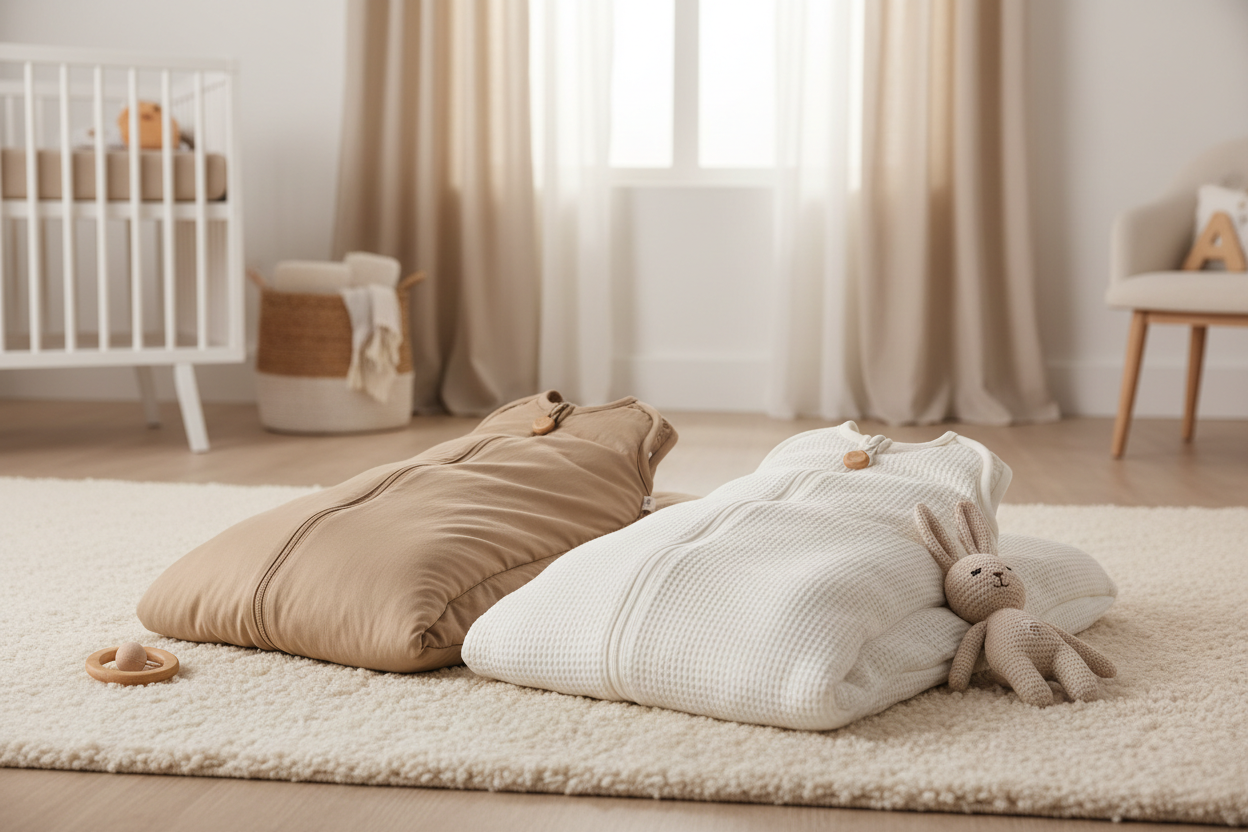
The Bubble Panda Standard Sleep Sack Collection is designed to provide soft, breathable comfort for babies who are building healthy sleep routines.
For warmer rooms and summer nights, the Bubble Panda Bamboo 0.5 TOG Sleep Sack Collection offers a lightweight option for babies who need breathable sleepwear.
As babies grow and become more active, the Bubble Panda Walker Sleep Sack Collection provides additional room for movement while keeping the familiar bedtime comfort many toddlers enjoy.
Choosing the right warmth level can make a difference. Use the Bubble Panda TOG Rating Chart to find the right sleep sack based on your nursery temperature.
Related Reading
👉 Baby Sleep Regression: Why It Happens & How to Help
👉 Why Does My Baby Hate Their Sleep Sack?
👉 When Should Babies Stop Using a Sleep Sack?
👉 How Many Sleep Sacks Does a Baby Need?
👉 What Should Baby Wear to Sleep Tonight?
Final Thoughts
So, when do babies sleep through the night?
The answer is different for every baby. Some babies begin sleeping longer stretches early, while others need more time as their sleep patterns develop.
Instead of focusing on a specific deadline, focus on creating a comfortable, predictable sleep environment that supports your baby's development.
A calming bedtime routine, breathable sleepwear, and the right sleep sack can help make nighttime feel more consistent for both babies and parents.
Frequently Asked Questions
At what age do babies usually sleep through the night?
Many babies begin sleeping longer stretches between 3 and 6 months, but every baby develops at their own pace.
Why does my baby still wake up at night?
Night waking can happen because of hunger, developmental changes, sleep regression, discomfort, or changes in routine.
Can a sleep sack help my baby sleep longer?
A sleep sack does not guarantee longer sleep, but it can provide a consistent bedtime cue and help create a comfortable sleep environment.
Create Better Sleep Habits, One Night at a Time 💚🌙
Discover breathable bamboo sleep sacks designed to support comfortable sleep routines through every stage of your baby's growth.
SHOP ALL SLEEP SACKS CHECK TOG GUIDE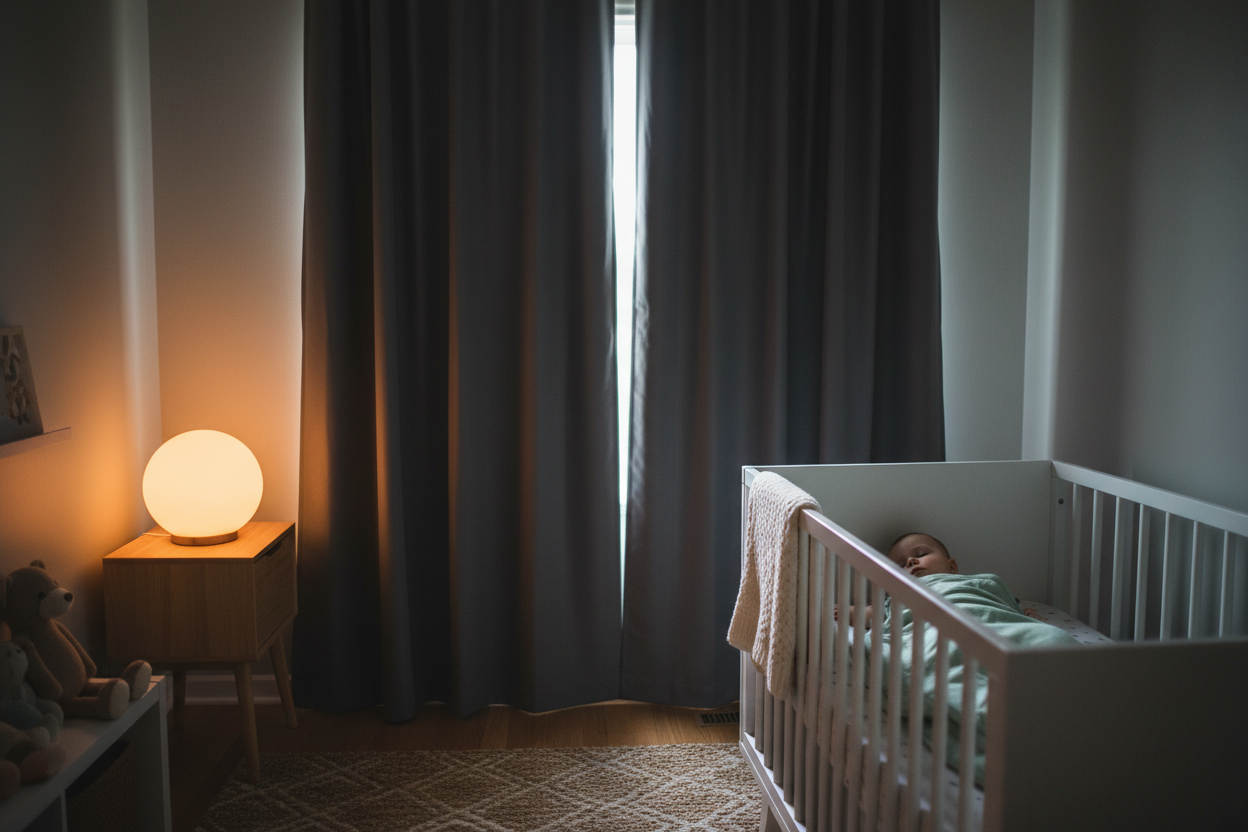


Leave a comment
This site is protected by hCaptcha and the hCaptcha Privacy Policy and Terms of Service apply.