
Can Babies Sleep With a Pacifier All Night? 💤
Many babies drift off to sleep more easily with a pacifier.
But once your baby is asleep, you may wonder whether it's safe for them to keep the pacifier in their mouth all night—or whether you should replace it every time it falls out.
These are common questions for new parents, and understanding how pacifiers fit into safe sleep can help everyone get a little more rest.
The answer depends on your baby's age, sleep habits, and following current safe sleep recommendations.
Quick Answer

Is It Safe for Babies to Sleep With a Pacifier?
For many babies, yes.
Current safe sleep recommendations generally consider pacifier use at sleep time acceptable for healthy infants once breastfeeding is well established, if applicable.
Many babies naturally spit out their pacifier after falling into deeper sleep.
If that happens, there's usually no need to place it back into their mouth unless they wake and are looking for comfort.
Quick fact: Most babies naturally release their pacifier once they're sleeping deeply.
When Should You Replace the Pacifier?
- If your baby wakes and is clearly looking for it.
- If the pacifier has fallen outside the crib before bedtime.
- If the pacifier becomes damaged or worn.
- After cleaning and sanitizing when appropriate.
If your baby continues sleeping peacefully after the pacifier falls out, it's perfectly fine to leave it out.
Safe Pacifier Practices

Bubble Panda Expert Tip 🤍
A pacifier works best as just one part of a calming bedtime routine.
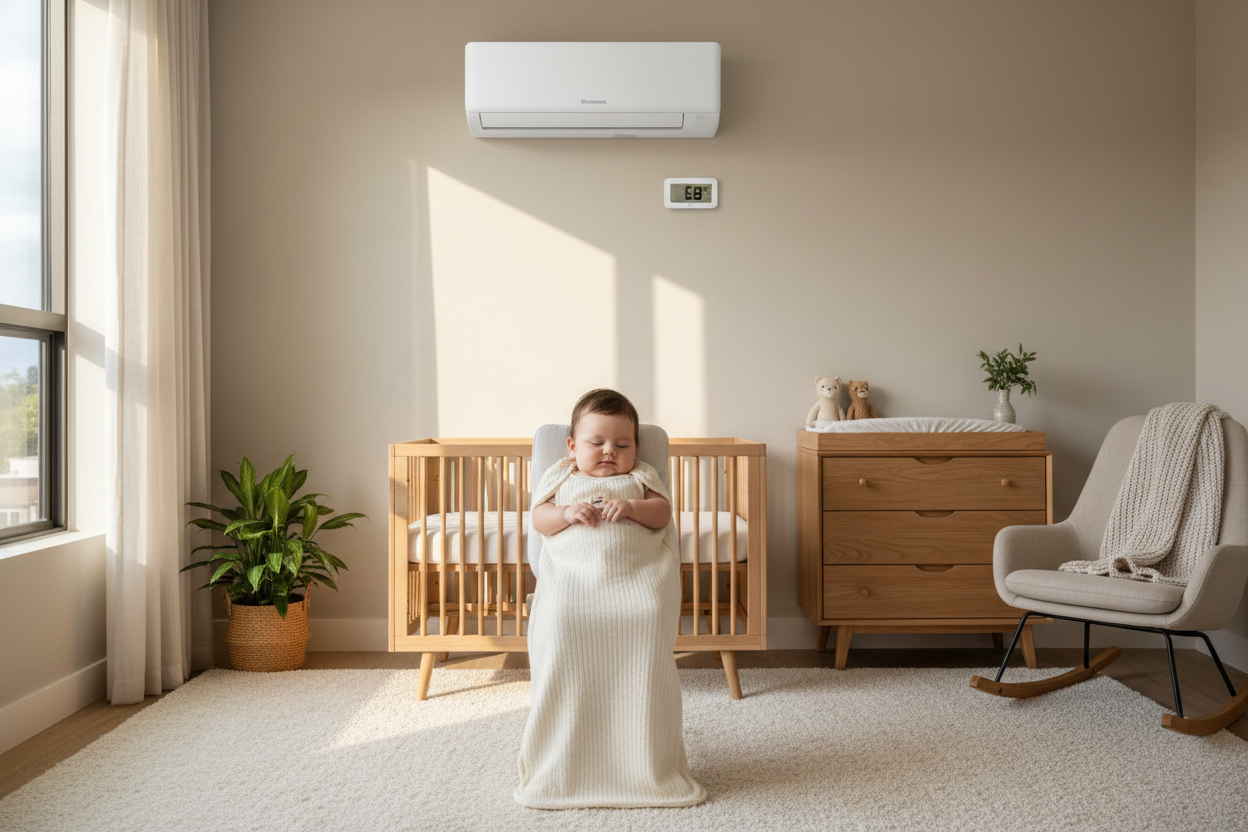
Pairing it with a consistent bedtime, a dark nursery, comfortable room temperature, and a breathable bamboo sleep sack creates familiar sleep cues that many babies quickly recognize.
Pediatrician Perspective
Many pediatric organizations consider pacifier use during sleep appropriate for healthy infants when used safely. Some safe sleep guidelines also note that offering a pacifier at sleep time may be associated with a reduced risk of Sudden Infant Death Syndrome (SIDS), although the exact reason isn't fully understood.
If your baby refuses a pacifier, there's no need to force it. Likewise, if it falls out after your baby falls asleep, you generally don't need to replace it unless your baby fully wakes.
Always place your baby on their back to sleep and follow your pediatrician's guidance for your child's individual needs.
How to Use a Pacifier Safely at Night
Simple habits can help make pacifier use part of a safe bedtime routine.
Parent Checklist
Before bedtime tonight:
- ✓ Place your baby on their back to sleep.
- ✓ Offer the pacifier without forcing it.
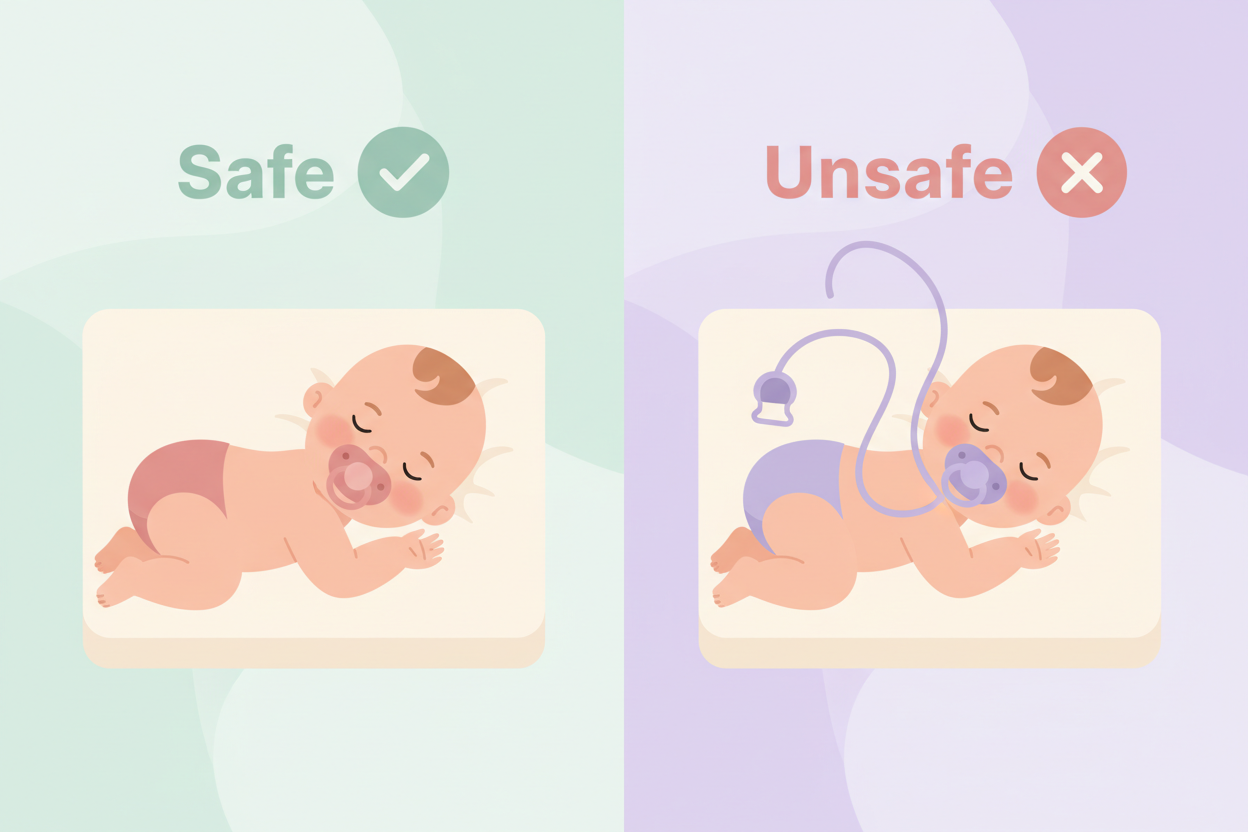
- ✓ Remove pacifier clips, ribbons, and cords before sleep.
- ✓ Check that the pacifier is clean and undamaged.
- ✓ Keep the crib free of loose bedding and soft toys.
- ✓ Dress your baby appropriately for the room temperature.

Myth vs Fact
Regional Tips
Texas & Florida: Warm nights make breathable sleepwear especially important when using a pacifier as part of bedtime.
California: Coastal temperatures may change overnight, so dress your baby according to the nursery temperature rather than the outdoor forecast.
Colorado & Chicago: Heated indoor air during winter can make babies warmer than parents expect. Check the room temperature before adding extra layers.
Product Recommendation
A pacifier can be one helpful part of a calming bedtime routine, but it's only one piece of healthy sleep.
A cool, comfortable nursery and breathable sleepwear can also help reduce unnecessary sleep disruptions throughout the night.
For warmer bedrooms, many parents choose the Bubble Panda Bamboo 0.5 TOG Sleep Sack to help babies stay comfortable without overheating.
If your nursery stays between moderate indoor temperatures year-round, the Bubble Panda Bamboo 1.0 TOG Sleep Sack is a versatile everyday option.
Not sure which TOG is right for your baby's room? Our TOG Rating Chart can help you choose the appropriate sleep sack based on nursery temperature.
Related Reading
👉 Why Is My Baby Waking Every Hour?
👉 Why Does My Baby Fight Sleep at Bedtime?
Final Answer
Yes, babies can generally sleep with a pacifier all night if it stays in their mouth naturally while they sleep.
If the pacifier falls out after your baby is asleep, you usually don't need to replace it unless your baby wakes and wants it again.
The safest approach is to combine proper pacifier use with other healthy sleep habits, including placing your baby on their back, keeping the crib free of loose items, maintaining a comfortable room temperature, and following a consistent bedtime routine.
Frequently Asked Questions
Should I put the pacifier back after it falls out?
Usually not. If your baby remains asleep, there's generally no need to replace the pacifier.
Can my baby sleep with a pacifier clip?
No. Pacifier clips, cords, ribbons, and strings should be removed before your baby sleeps because they may create a safety hazard.
When should I replace my baby's pacifier?
Replace it whenever you notice cracks, tears, stickiness, discoloration, or other signs of wear. Always follow the manufacturer's replacement recommendations.
Support Safe & Comfortable Sleep Every Night 🌙
A peaceful bedtime is built on small habits—safe sleep practices, a consistent routine, and breathable sleepwear that keeps your baby comfortable all night long.
SHOP ALL SLEEP SACKS VIEW TOG GUIDE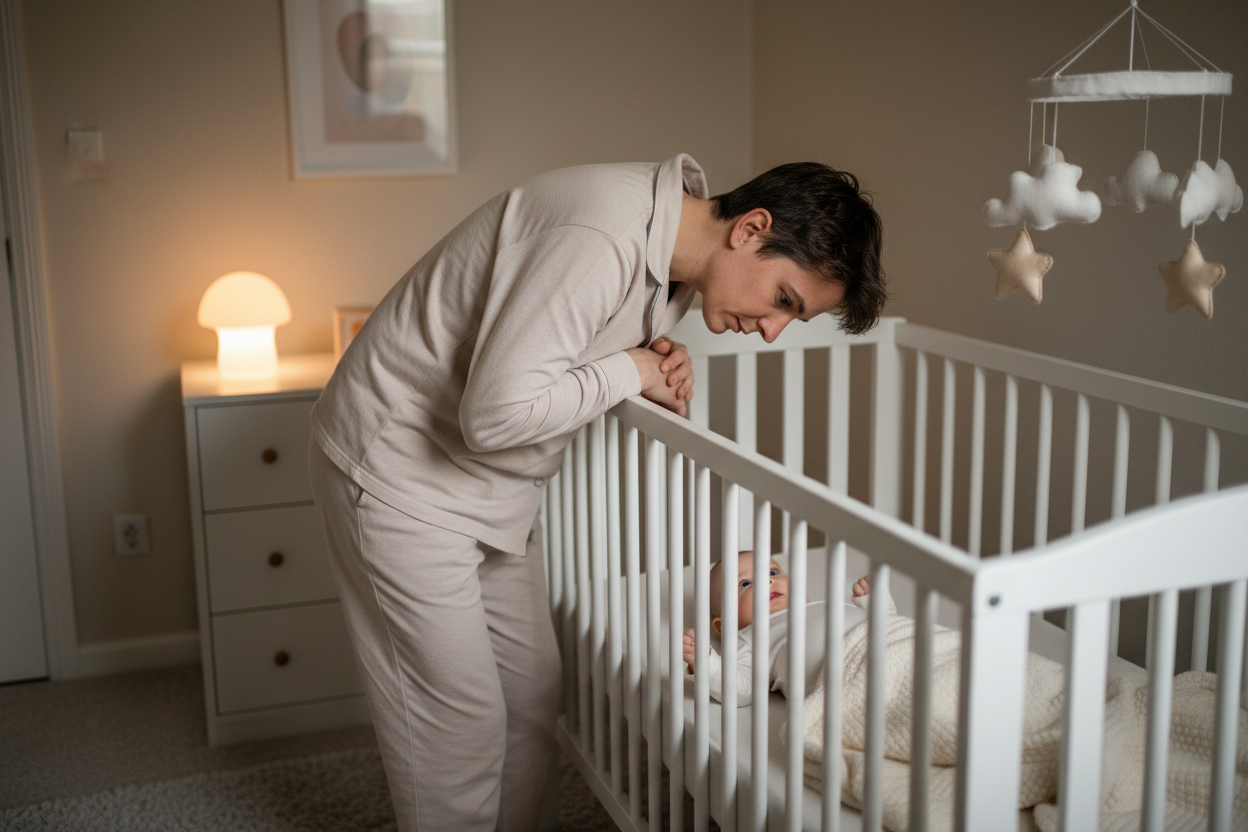


Leave a comment
This site is protected by hCaptcha and the hCaptcha Privacy Policy and Terms of Service apply.