
Why Does My Baby Keep Waking Up After 30 Minutes?
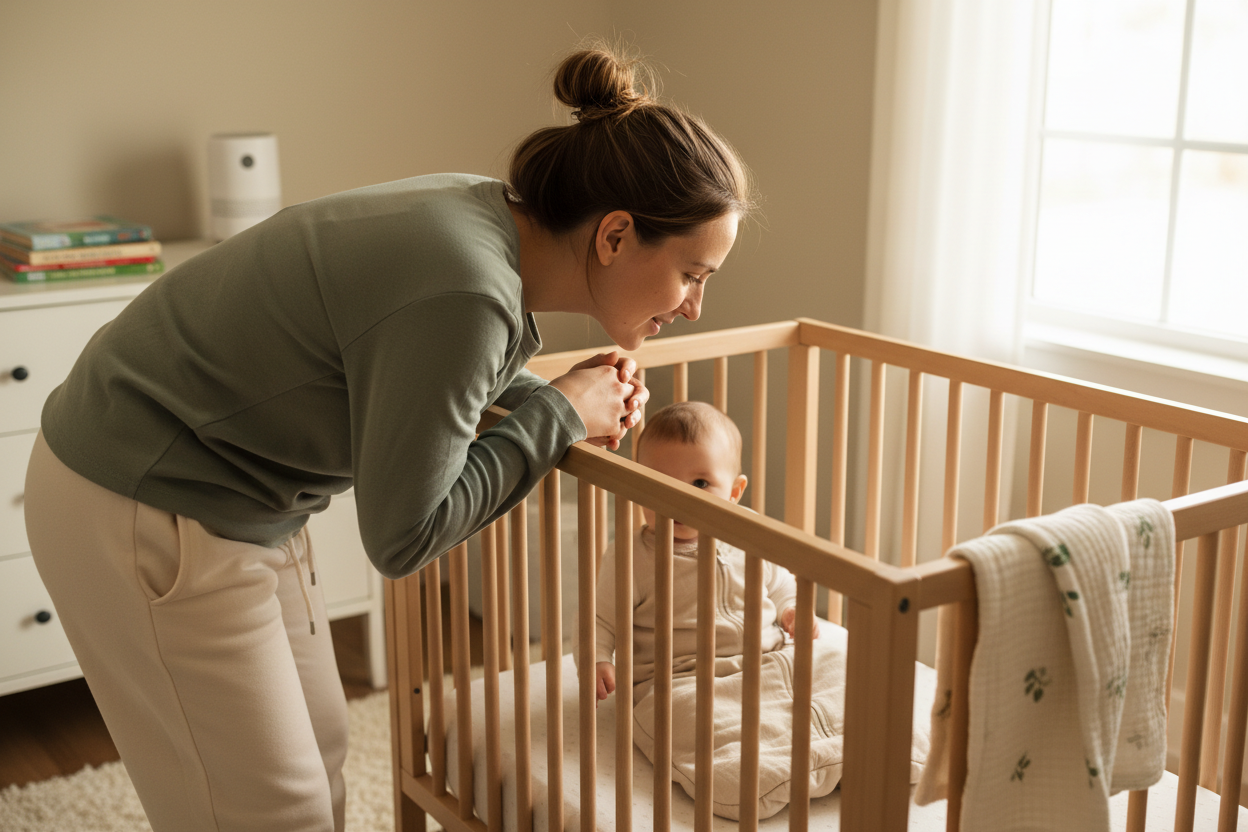
You finally got your baby down for a nap, made yourself a cup of coffee, and then... they're awake again. If the 30-minute nap has become a daily routine, here's what may be happening.
💡 Quick Answer
A baby who consistently wakes after about 30 minutes may simply be waking around the end of a short sleep cycle, but timing, sleep environment, hunger, development, overtiredness, and difficulty settling back to sleep can also contribute.
A short nap does not automatically mean something is wrong. The most useful approach is to look at when your baby falls asleep, what happens around the 30-minute mark, and whether they are otherwise getting enough sleep and acting well when awake.
⏰ Why 30 Minutes?
Babies don't necessarily sleep in long uninterrupted blocks during every nap. A short nap may end when your baby reaches a lighter stage of sleep and becomes more aware of their surroundings.
Some babies can move through that transition and continue sleeping. Others fully wake up.
If your baby wakes at almost exactly the same point every day, pay attention to what is happening around that time rather than assuming the sleep sack or one single factor is responsible.

7 Common Reasons Your Baby May Wake After 30 Minutes
1. Your Baby May Be Waking at a Natural Sleep Transition
Sometimes the simplest explanation is that your baby has reached a lighter stage of sleep.
If your baby wakes relatively happy and alert after a short nap, this may be different from a baby who wakes crying and clearly still seems tired.
2. The Nap May Be Starting at the Wrong Time
Sleep timing matters.
If a baby isn't tired enough, they may take a short nap and wake ready to be awake again. On the other hand, a baby who becomes overtired can also have a harder time settling and staying asleep.
Compare the nap timing with your baby's usual sleepy cues instead of focusing only on the clock.
3. The Sleep Environment May Be Changing During the Nap
A room that feels comfortable when your baby falls asleep may feel different 30 minutes later.
Daylight can become brighter, household noise can change, or the room temperature can shift.
That's why it's useful to look at the entire nap environment rather than blaming the sleepwear alone.

4. Your Baby May Be Too Hot or Too Cold
Temperature can affect comfort during sleep, especially if the room becomes warmer or cooler during the day.
Instead of automatically adding or removing layers, consider the room temperature, your baby's sleepwear, and the TOG rating of the sleep sack together.
For warmer rooms, a lightweight option such as a 0.5 TOG sleep sack may be appropriate depending on the overall sleep environment and clothing underneath.
See the Bubble Panda TOG Rating Chart for a general guide.
5. Your Baby Is Going Through a Developmental Change
Babies don't always sleep the same way from one developmental stage to another.
Rolling, crawling, pulling up, learning new movements, and becoming more aware of their surroundings can all change how a baby behaves during sleep.
If the short naps started around the same time as a noticeable developmental change, the timing itself may be worth paying attention to.
6. Your Baby May Have Difficulty Settling Back to Sleep
Some babies wake briefly and need help transitioning into another period of sleep.
If your baby wakes at around 30 minutes but still appears tired, the issue may be less about the length of the original nap and more about what happens when they briefly wake.
7. Your Baby May Simply Need a Shorter Nap Right Now
Not every baby needs every nap to last the same amount of time.
The bigger picture matters: how your baby sleeps overnight, how they behave when awake, how many naps they take, and whether their overall sleep pattern is working for them.
🔎 What Does Your Baby's 30-Minute Wake-Up Look Like?
The behavior immediately after waking can give you useful clues.
| What You See | What It May Suggest |
|---|---|
| Wakes happy and alert | Your baby may simply be ready to be awake. |
| Wakes crying and still looks tired | Timing, overtiredness, environment, or difficulty settling may be worth considering. |
| Wakes when the room becomes brighter | Daylight may be affecting the sleep environment. |
| Wakes after becoming sweaty or uncomfortable | Temperature and sleepwear layers may be worth reviewing. |
| Short naps began with a developmental change | New movement or developmental changes may be contributing. |
💤 Can the Sleep Sack Cause a 30-Minute Nap?
Sometimes parents understandably blame the sleep sack when naps suddenly become short. But a sleep sack is only one part of the sleep environment.
Before changing sleepwear, consider whether the sack is:
- The correct size
- Comfortable around the neck and arm openings
- Appropriate for your baby's current stage
- Appropriate for the room temperature
- Paired with suitable clothing underneath
If your baby is comfortable and the sleep sack fits properly, switching products may not solve the underlying reason for a short nap.
What If Your Baby Is Suddenly Much More Mobile?
If your baby has recently started rolling, crawling, pulling up, or walking, sleepwear may need to change as their movement changes.
For babies and toddlers who are becoming more mobile, a walker sleep sack with separated legs and open feet can provide more freedom of movement than a traditional enclosed sleep sack. That doesn't mean it will automatically make naps longer, but the design may be more appropriate for a child who is actively standing, cruising, or walking.

🌿 What Can You Try?
Pay attention to sleepy cues and the time your baby goes down for the nap.
Consider light, noise, and whether the temperature stays comfortable throughout the nap.
Check the fit, TOG rating, and clothing layers underneath the sleep sack.
Notice whether the short naps appeared around the same time as a new movement milestone.
One short nap doesn't necessarily tell you whether your baby's overall sleep is working well.
🌎 Your Sleep Environment Can Look Very Different Across the U.S.
A baby napping in Texas during a hot summer afternoon may have very different room conditions from a baby sleeping in Florida with strong air conditioning. A family in California may deal with large temperature differences depending on the region, while a baby in New York City may experience a very different indoor environment during heating season.
That's why there isn't one universal sleep-sack recommendation based only on location. Look at the actual room environment, sleepwear layers, TOG rating, and your baby's behavior together.
Choosing the Right Sleep Sack for the Stage
From lightweight summer sleep sacks to walker designs for increasingly mobile babies and toddlers, the right sleepwear depends on your child's stage and sleep environment.
SHOP STANDARD SLEEP SACKS → SHOP WALKER SLEEP SACKS →Frequently Asked Questions
Why does my baby wake up after 30 minutes?
A baby may wake after 30 minutes because they are reaching a lighter stage of sleep, but timing, sleep environment, temperature, developmental changes, and difficulty settling back to sleep can also contribute.
Is a 30-minute nap too short for a baby?
Not necessarily. A short nap can happen for many reasons, and the overall sleep pattern matters more than one individual nap. If your baby consistently wakes after short naps and still seems tired, look at timing, environment, and other sleep factors.
Can a sleep sack help my baby sleep longer?
A properly fitted sleep sack can be part of a comfortable sleep environment, but it cannot guarantee longer naps. Choose a sleep sack based on fit, your baby's developmental stage, the room environment, and appropriate warmth rather than expecting it to solve every short-nap problem.
📚 You May Also Like
Make Nap Time a Little More Comfortable
Explore sleep sacks designed around different stages, sleep environments, and everyday baby sleep needs.
EXPLORE BABY SLEEP SACKS →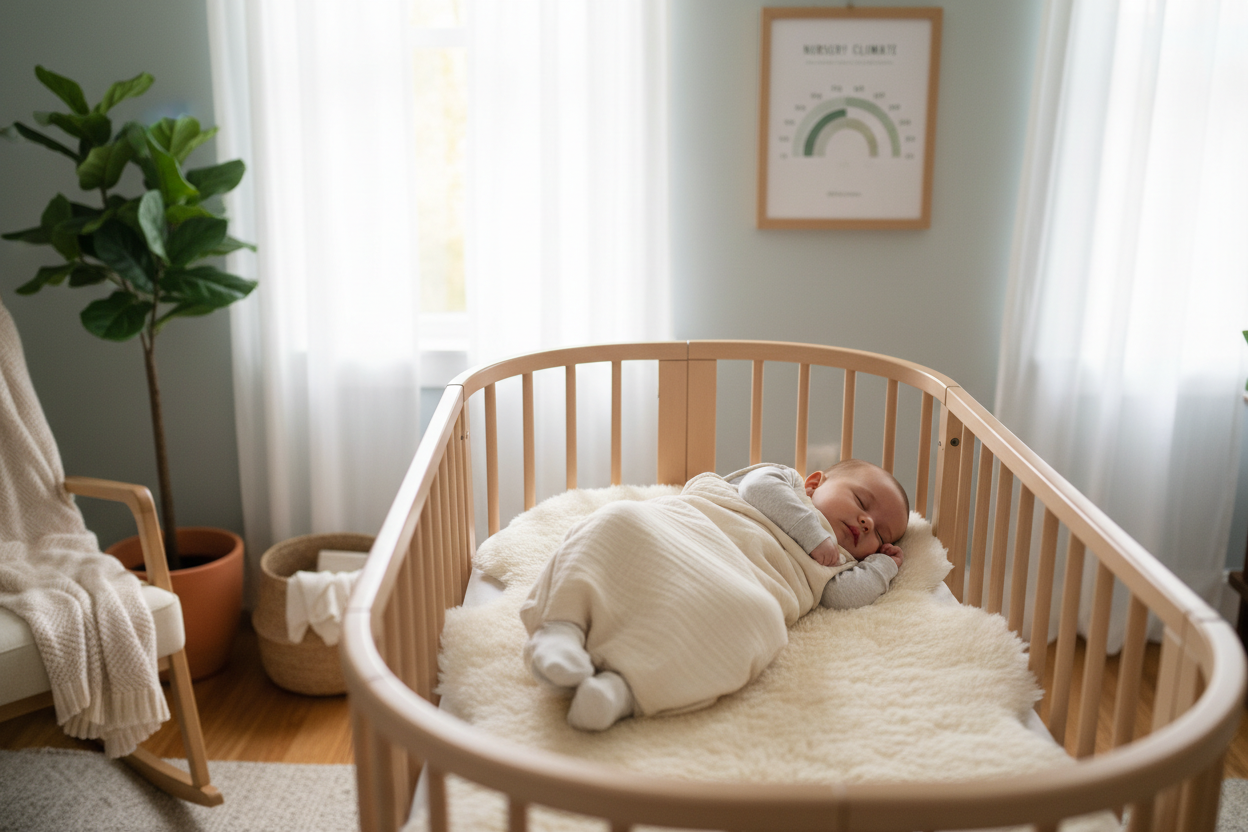


Leave a comment
This site is protected by hCaptcha and the hCaptcha Privacy Policy and Terms of Service apply.