
Why Does My Baby Wake Up After 30 Minutes? 😴
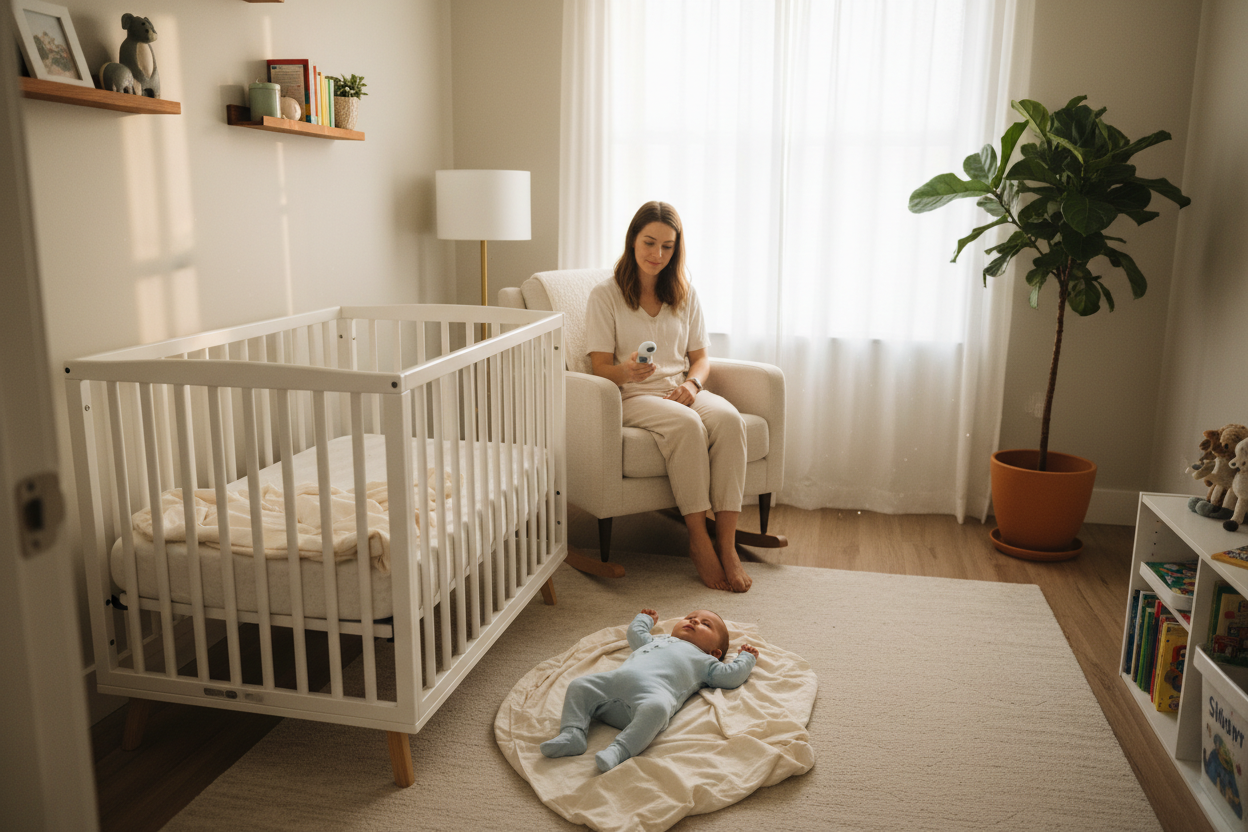
You finally get your baby down for a nap, quietly leave the room, and before you've even finished your coffee...they're awake again.
If your baby consistently wakes after about 30 minutes, you're far from alone.
Short naps are one of the most common sleep concerns during infancy, and in many cases, they're a normal part of development.
Understanding why it happens is the first step toward helping your baby enjoy longer, more restorative sleep.
Quick Answer

Why 30 Minutes Is So Common
Baby sleep works differently from adult sleep.
During naps, babies move through shorter sleep cycles that often last around 30 to 45 minutes.
At the end of each cycle, it's normal for babies to stir, stretch, or briefly wake before entering the next cycle.
Some babies naturally settle themselves back to sleep, while others fully wake and signal for a parent.
Key takeaway: Waking after one sleep cycle doesn't necessarily mean something is wrong—it often reflects how baby sleep naturally develops.
Common Reasons Babies Wake After One Sleep Cycle
Although every baby is different, these are some of the most common reasons naps end early.
- Sleep cycles haven't matured yet.
- Baby was overtired before the nap.
- Baby wasn't sleepy enough when put down.
- The room became too bright or noisy.
- Hunger interrupted the nap.
- Developmental milestones temporarily affected sleep.
When Short Naps Are Completely Normal

Bubble Panda Expert Tip 🤍
One short nap doesn't mean your baby's sleep schedule is failing.
Look for patterns over several days instead of focusing on one difficult nap. Consistent bedtime routines, a comfortable sleep environment, and patience often make a bigger difference than trying a new trick every day.
Pediatrician Perspective
Short naps are a normal part of infant sleep development, especially during the first year of life.
As babies grow, many naturally become better at linking one sleep cycle to the next. While consistent routines can support healthy sleep habits, occasional short naps are expected.
If your baby seems unusually sleepy, isn't feeding well, has breathing concerns, or you're worried about their overall health, consult your pediatrician.
How to Encourage Longer Naps
There's no magic solution, but these habits often help babies gradually learn to sleep for longer stretches.
Parent Checklist
If naps keep ending after 30 minutes, ask yourself:
- ✓ Is my baby getting enough awake time before the nap?
- ✓ Is the room dark and quiet?
- ✓ Did my baby fall asleep independently or while feeding?
- ✓ Has my baby recently started rolling, crawling, or learning another new skill?
- ✓ Has this been happening for several days or just today?
- ✓ Am I expecting every nap to be the same length?

Myth vs Fact
Regional Tips
Your baby's sleep environment can influence nap quality just as much as sleep habits.
Texas & Arizona: Keep daytime naps cool by blocking afternoon sunlight and checking nursery temperature.
Florida: Humidity can make nap rooms feel warmer than the thermostat suggests, so breathable sleepwear can improve comfort.
California: Bright afternoon sunshine may require blackout curtains for longer naps.
Seattle & Colorado: Seasonal daylight changes can affect nap timing, making a consistent pre-nap routine especially helpful.
Product Recommendation
A comfortable sleep environment won't guarantee a longer nap, but it can help remove common distractions that interrupt sleep.
If your baby tends to nap warm, many parents choose the Bubble Panda Bamboo 0.5 TOG Sleep Sack for lightweight daytime comfort during warmer months.
For year-round nursery temperatures, the Bubble Panda Bamboo 1.0 TOG Sleep Sack is a popular everyday option that pairs well with a consistent nap routine.
If you're unsure which sleep sack is best for your nursery, our TOG Rating Chart makes it easy to compare warmth levels by room temperature.
Related Reading
Final Answer
If your baby wakes after about 30 minutes, it usually means they've reached the end of one sleep cycle—not that you've done something wrong.
As babies mature, many gradually learn to connect sleep cycles on their own. Consistent routines, age-appropriate wake windows, and a comfortable sleep environment can all support this process.
Progress often happens gradually, so look for improvements over weeks rather than expecting every nap to become longer overnight.
Frequently Asked Questions
Is a 30-minute nap normal for babies?
Yes. Many babies naturally wake after one sleep cycle, especially during the first several months of life.
Should I immediately pick my baby up after a short nap?
Not always. Some babies need a minute or two to resettle and may fall back asleep without assistance.
Will a sleep sack help my baby nap longer?
A sleep sack doesn't make naps longer by itself, but a comfortable, breathable sleep environment may help reduce sleep disruptions and support a consistent nap routine.
Create a Comfortable Sleep Environment 🌿
Healthy sleep is about more than nap length. A consistent routine, a comfortable nursery, and breathable sleepwear can all help your baby rest more peacefully—one sleep cycle at a time.
SHOP ALL SLEEP SACKS VIEW TOG GUIDE


Leave a comment
This site is protected by hCaptcha and the hCaptcha Privacy Policy and Terms of Service apply.