
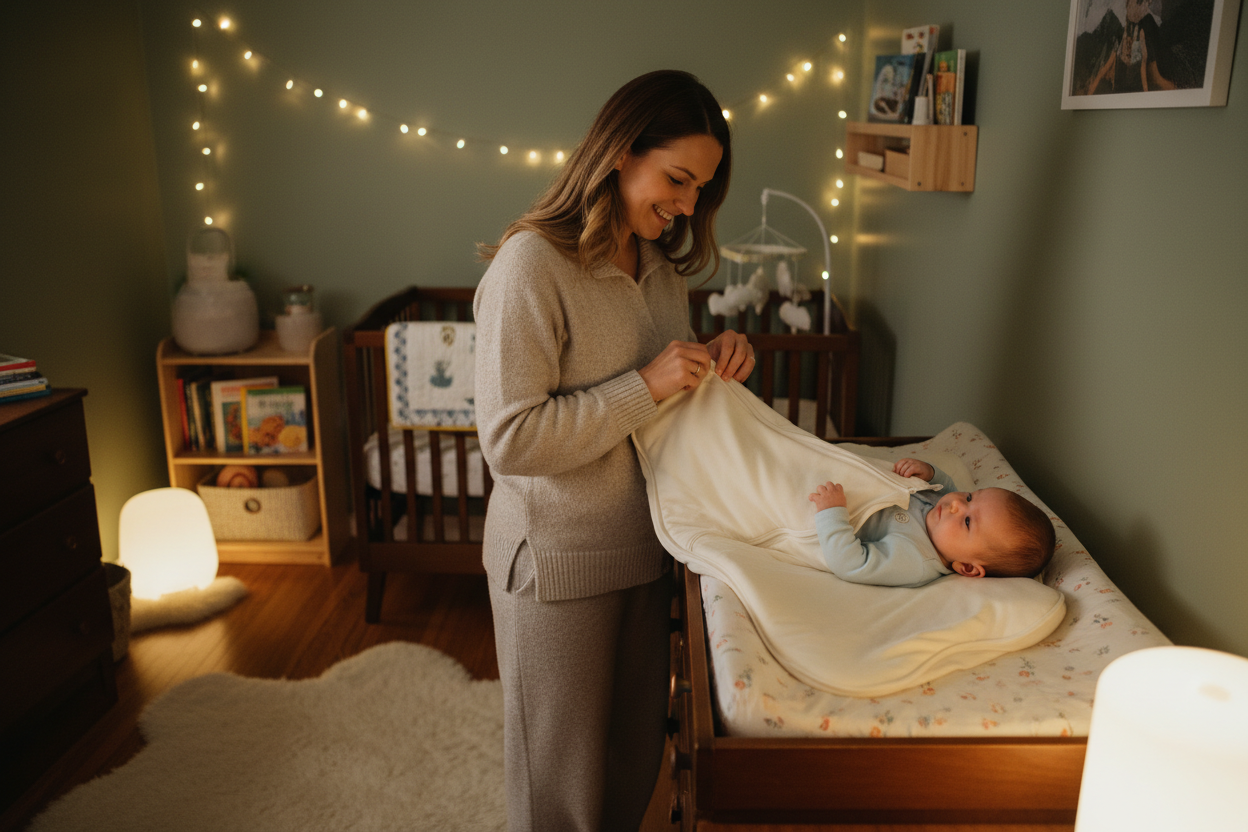
How to Transition Your Baby Into a Sleep Sack (Without Tears) 🤍🛏️
The first few nights with a sleep sack don't always go as planned. Some babies settle in immediately, while others kick, wiggle, or fuss the moment the zipper closes.
If your baby seems to dislike their sleep sack, don't worry—this is a common part of the adjustment process.
Most babies simply need a little time and consistency to become familiar with this new sleep routine. With the right approach, many families find that sleep sacks quickly become one of their baby's strongest bedtime cues.
The goal isn't to force the transition overnight, but to help your baby feel comfortable and secure every step of the way.
---Quick Answer
 ---
---
Why Some Babies Resist Sleep Sacks
Babies thrive on familiarity. Anything new—including pajamas, cribs, or sleep sacks—may feel different during the first few nights.
Some babies simply need time to get used to having more freedom to move their arms and legs, especially if they're transitioning from a swaddle.
In most cases, resistance is temporary and improves as the sleep sack becomes part of a predictable bedtime routine.
Quick fact: Many babies adjust to a new sleep sack within several nights to two weeks when it's used consistently.---
Signs Your Baby Is Ready
- Beginning to roll over.
- Outgrowing the swaddle.
- Showing increased arm movement.
- Sleeping with arms free during naps.
- Needs a safe blanket alternative.
Choosing the Right Sleep Sack
--- ---
---
Bubble Panda Expert Tip 🤍
Try putting on your Bubble Panda bamboo sleep sack at the same point in your bedtime routine every night—after feeding or story time. Repetition helps babies associate the sleep sack with comfort and sleep.
Pediatrician Perspective
Transitioning from a swaddle to a sleep sack is an important developmental milestone. Once a baby begins showing signs of rolling, it's generally recommended to stop swaddling and move to an arms-free sleep solution.
Most babies adapt well with patience and consistency. Some adjust after the first night, while others may take one to two weeks before the sleep sack feels completely familiar.
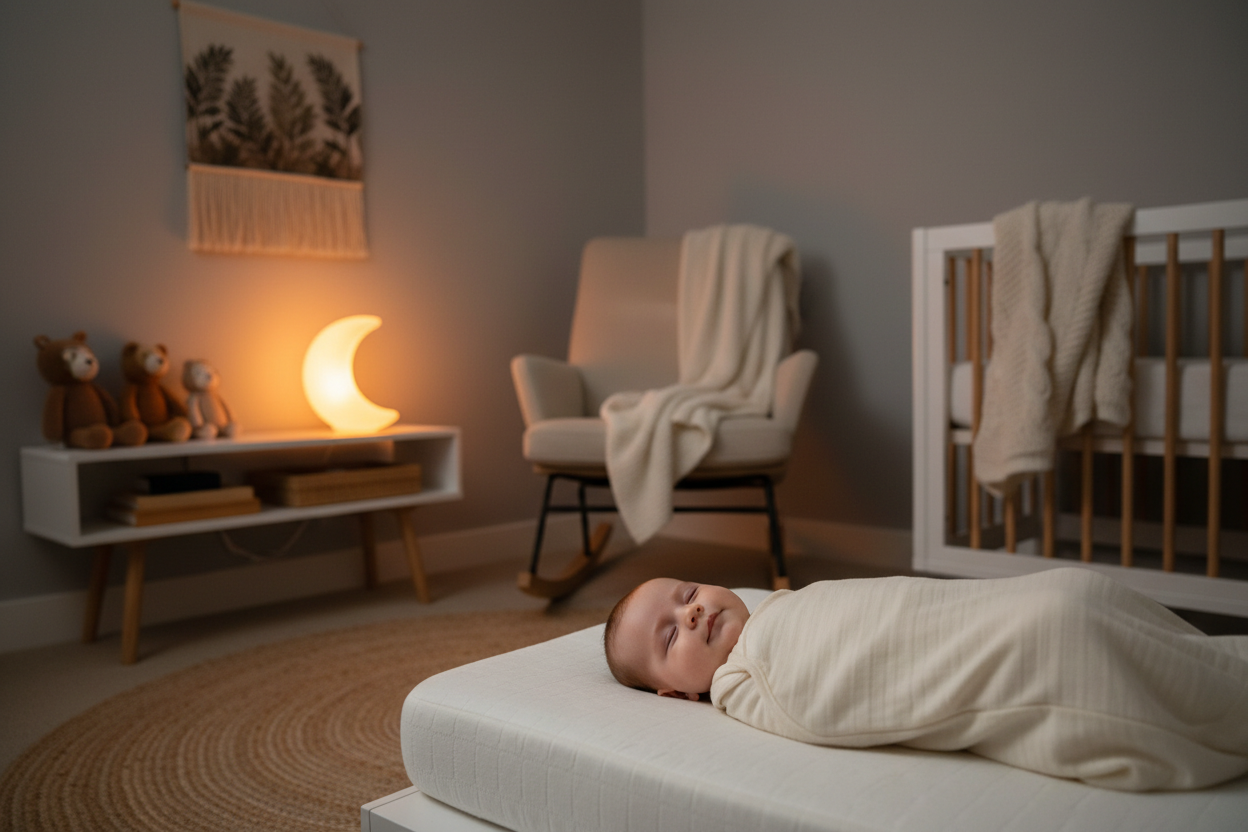
During the transition, continue following safe sleep recommendations by placing your baby on their back in an empty crib with no loose blankets, pillows, or stuffed animals.
4-Step Sleep Sack Transition Plan
If your baby seems unsure about a sleep sack, try these simple steps instead of making sudden changes.
Parent Checklist
During the transition:
- ✓ Choose the correct size sleep sack.
- ✓ Match the TOG rating to the nursery temperature.
- ✓ Keep bedtime calm and predictable.
- ✓ Give your baby time to adjust.
- ✓ Continue using the sleep sack every night.
- ✓ Celebrate small improvements instead of expecting instant success.

Common Transition Mistakes
Regional Tips
California: Lightweight bamboo sleep sacks are often a comfortable choice for mild evenings, especially in coastal areas.
Texas: During hot weather, pair a breathable 0.5 TOG sleep sack with lightweight clothing to avoid overheating.
Florida: High humidity makes breathable fabrics especially valuable for overnight comfort.
Colorado: Temperatures can change quickly between day and night, so check the nursery temperature before bedtime and adjust clothing layers if needed.
Product Recommendation
Choosing the right sleep sack can make the transition much smoother. A soft, breathable fabric, the correct size, and an appropriate TOG rating all help your baby stay comfortable while adjusting to a new bedtime routine.
Many families begin with the Bubble Panda Bamboo Sleep Sack Collection , which features silky-soft bamboo fabric, a roomy design for healthy hip movement, and comfortable year-round options.
For warmer nurseries, the Bubble Panda 0.5 TOG Bamboo Sleep Sack provides lightweight breathability to help reduce overheating during the transition.
Not sure which sleep sack is right for your nursery? Use our TOG Rating Chart to choose the best option based on your room temperature.
Related Reading
👉 When Should You Stop Swaddling Your Baby?
👉 How to Choose the Right Size Sleep Sack
Final Answer
Most babies adjust well to a sleep sack with a little patience and consistency. While the first few nights may include some extra movement or fussing, the sleep sack often becomes a familiar part of bedtime within days or weeks.
Introduce it gradually, keep your bedtime routine consistent, and choose a sleep sack that fits properly and matches your nursery temperature. Avoid switching back and forth between different sleep methods unless your pediatrician recommends otherwise.
With time, a comfortable bamboo sleep sack can become one of your baby's strongest bedtime cues, helping support safer and more restful sleep throughout infancy and beyond.
Frequently Asked Questions
How long does it take a baby to get used to a sleep sack?
Many babies adjust within a few nights, while others may need one to two weeks. Staying consistent usually helps the transition go more smoothly.
What if my baby cries when I put on the sleep sack?
Some babies need time to adjust to a new sleep routine. Keep the rest of the bedtime routine familiar, offer comfort, and give your baby several nights before deciding whether the sleep sack is a good fit.
Can babies roll over in a sleep sack?
Yes. Once babies can roll, an appropriately sized arms-free sleep sack allows natural movement while avoiding the risks associated with loose blankets. Always follow your pediatrician's advice and safe sleep guidelines.
Make the Sleep Sack Transition Easier 💚🌙
A soft, breathable Bubble Panda bamboo sleep sack can become a comforting part of your baby's bedtime routine. Find the right size and TOG rating to help your little one sleep comfortably every night.
SHOP ALL SLEEP SACKS VIEW TOG GUIDE


Leave a comment
This site is protected by hCaptcha and the hCaptcha Privacy Policy and Terms of Service apply.