
Is My Baby Too Hot at Night? Signs of Overheating Parents Should Watch For 🌙
Few parenting worries feel as stressful as checking on your sleeping baby and wondering:
"Are they too hot?"
Many parents worry about overheating, especially during summer, heatwaves, or when using a sleep sack for the first time.
The good news is that there are several simple signs you can look for to help determine whether your baby is sleeping comfortably or may be getting too warm.
---Quick Answer
Most babies sleep best when their room stays comfortable and their sleepwear matches the room temperature.

Why Overheating Matters
Babies are less able to regulate body temperature than adults.
When a baby becomes too warm, sleep quality often suffers first. Parents may notice more frequent night wakings, fussiness, shorter naps, or difficulty settling at bedtime.
Creating a comfortable sleep environment helps support safer and more restful sleep.
How to Tell if Your Baby Is Too Hot
Many parents instinctively check their baby's hands or feet.
However, hands and feet are often naturally cooler than the rest of the body.
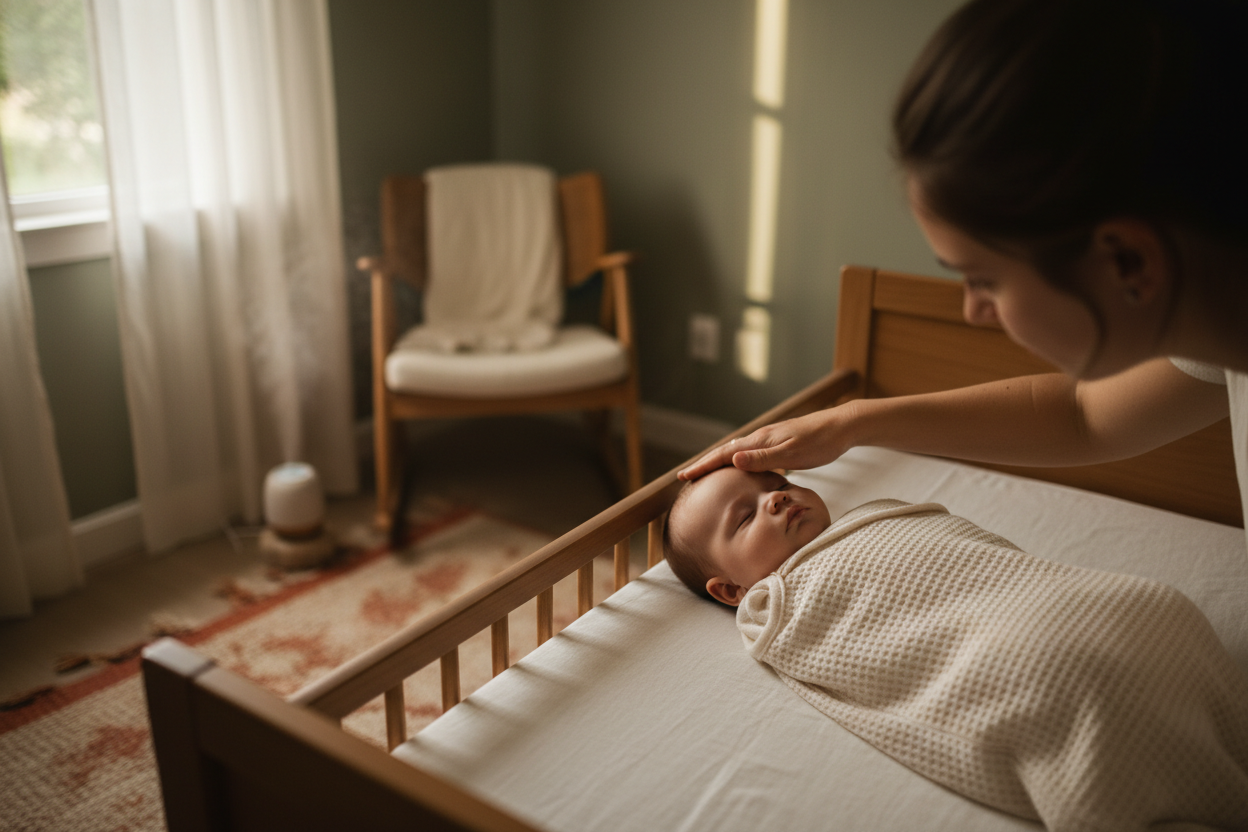
Instead, gently place your hand on your baby's chest or upper back.
If the skin feels sweaty, damp, or unusually warm, your baby may need fewer layers.

Common Signs of Overheating
- Sweaty neck
- Damp hair
- Warm chest or back
- Flushed cheeks
- Restless sleep
- Frequent night wakings
- Increased fussiness
What Causes Babies to Overheat at Night?
- Too many clothing layers
- Using a sleep sack with a higher TOG than needed
- Warm nursery temperatures
- Poor airflow in the room
- Heatwaves and seasonal temperature spikes
Summer Sleep and GEO Considerations
Families in Texas, Arizona, and Florida often experience overnight temperatures that stay warm long after sunset. During these months, lightweight sleepwear and breathable fabrics become especially important.
Parents in California may notice significant differences between coastal and inland temperatures. A nursery near San Diego may feel very different from one in Sacramento.
In New York City apartments, indoor temperatures can vary widely depending on building age, air conditioning, and ventilation.
Rather than focusing on outdoor weather, use your nursery temperature as the primary guide for dressing your baby.
Choosing the Right Sleep Sack
For warm nurseries and hot sleepers, many parents prefer lightweight 0.5 TOG sleep sacks.
These sleep sacks are designed to provide comfort while allowing better airflow during warmer months.
If your nursery stays cooler due to air conditioning, a 1.0 TOG sleep sack may be appropriate.

When Should You Remove a Layer?
If your baby consistently wakes with a sweaty neck, damp hair, or a warm chest, consider reducing a clothing layer before changing your entire sleep setup.
Small adjustments often make a meaningful difference.
People Also Ask
How do I know if my baby is too hot at night?
Check your baby's chest or upper back. Sweaty skin, damp hair, and restless sleep are common signs of overheating.
Can a sleep sack make a baby too hot?
Using a sleep sack with a higher TOG than necessary may contribute to overheating in warm rooms.
What room temperature is best for babies?
Many experts recommend keeping the nursery between 68°F and 72°F when possible.
Should I use a fan in my baby's room?
Many parents use fans to help improve airflow, provided they are used safely and not pointed directly at the baby.
Final Thoughts
If you're wondering whether your baby is too hot at night, focus on your baby's chest, overall comfort, and room temperature rather than hands or feet.
Most overheating issues can be resolved by adjusting layers, choosing the appropriate TOG rating, and maintaining a comfortable sleep environment.
When in doubt, lighter layers are often easier to adjust than an overheated sleep setup.
👉 Related: Baby Sleep Temperature Guide for Summer
👉 Related: What Should Baby Wear Under a 0.5 TOG Sleep Sack?
👉 Related: 0.5 TOG vs 1.0 TOG Sleep Sack
Keep Your Baby Comfortable All Summer ✨
Discover lightweight bamboo sleep sacks designed for warm nights and hot sleepers.
SHOP 0.5 TOG SLEEP SACKS



Leave a comment
This site is protected by hCaptcha and the hCaptcha Privacy Policy and Terms of Service apply.