
Walker Sleep Sack vs Regular Sleep Sack: What's the Difference? 🚶♀️👶
As babies grow into active toddlers, many parents start asking an important question:
Should we continue using a regular sleep sack, or is it time to switch to a walker sleep sack?
Both options provide wearable sleep comfort, but they serve different developmental stages.
Choosing the right one can make bedtime easier and help your child sleep comfortably through the night.
Quick Answer

What Is A Regular Sleep Sack?
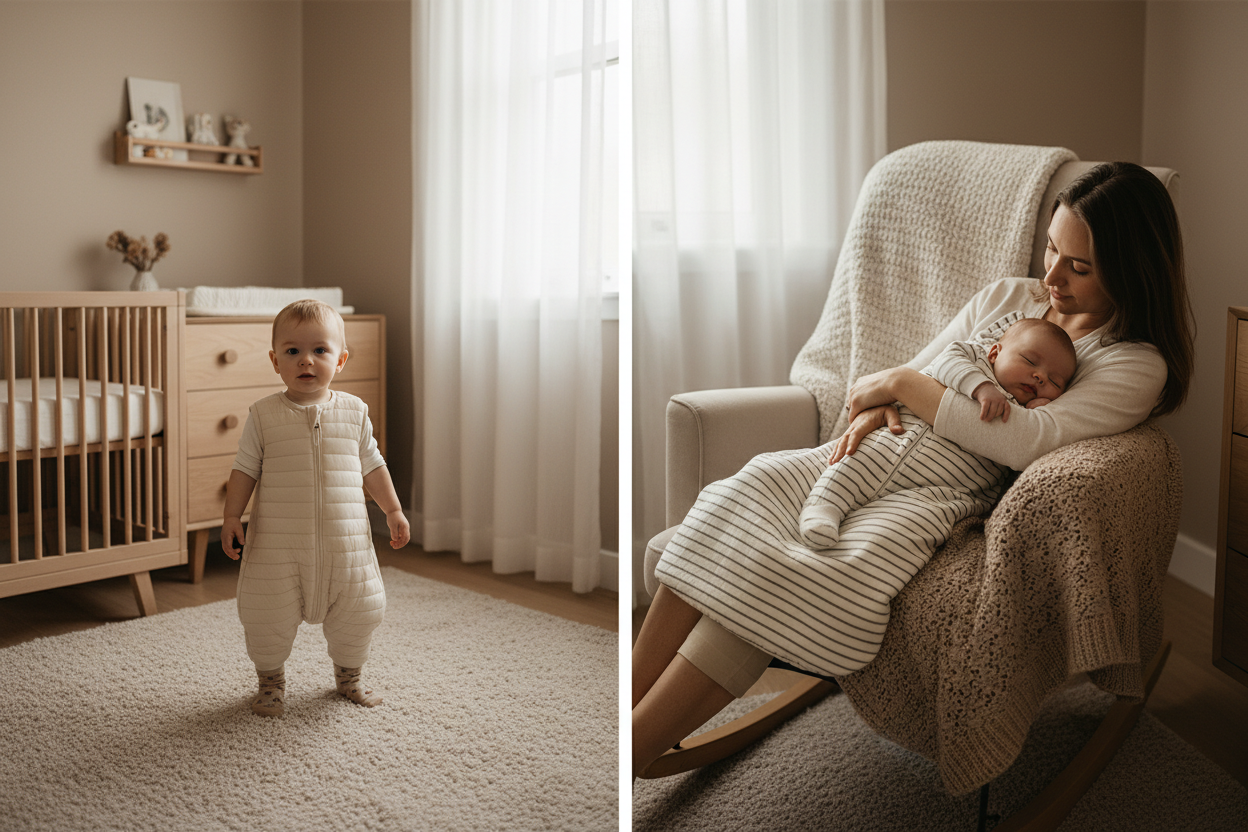
A regular sleep sack is a wearable blanket with a closed bottom.
It allows babies to move their legs freely while sleeping but is not designed for walking.
Regular sleep sacks are often used from infancy through the early toddler years.
Benefits Of A Regular Sleep Sack
- Simple bedtime routine
- Comfortable overnight sleep
- Available in multiple TOG ratings
- Works well for babies who sleep primarily in cribs
- Easy transition from swaddling
What Is A Walker Sleep Sack?
A walker sleep sack is designed for toddlers who are already standing, cruising, or walking independently.
Instead of a closed bottom, walker sleep sacks include separate leg openings that allow safe movement around the bedroom or home.
Many families view walker sleep sacks as the natural next step after traditional sleep sacks.
Benefits Of A Walker Sleep Sack
- Allows independent walking
- Maintains bedtime comfort
- Supports active toddlers
- Provides warmth without loose bedding
- Can ease the transition from baby sleepwear

Walker Sleep Sack vs Regular Sleep Sack
| Feature | Regular Sleep Sack | Walker Sleep Sack |
|---|---|---|
| Best Age | Infants & Young Toddlers | Walking Toddlers |
| Walking Ability | No | Yes |
| Sleep Comfort | Excellent | Excellent |
| Mobility | Limited | High |
When Should You Switch?
There is no exact age that works for every child.
Many families begin considering a walker sleep sack once their toddler is confidently walking and prefers greater freedom of movement.
Others continue using regular sleep sacks until their child naturally outgrows them.
What About Different Climates?
Parents in Texas and Florida often choose lightweight bamboo walker sleep sacks because air-conditioned homes can still feel cool overnight.
California families frequently rotate TOG ratings depending on season while keeping the same sleepwear style.
New York City families may use warmer options during winter and lighter sleep sacks during summer months.
Whether you choose a walker sleep sack or a regular sleep sack, room temperature should guide TOG selection.
Can Toddlers Sleep Well In Walker Sleep Sacks?
Yes.
Many toddlers love the added independence while still enjoying the familiar comfort of wearable sleepwear.
For active children, walker sleep sacks can make bedtime feel less restrictive.

Final Thoughts
Both regular sleep sacks and walker sleep sacks can support healthy sleep routines.
The best choice depends on your child's developmental stage, mobility, and bedtime habits.
As toddlers become more active, many families find that walker sleep sacks provide the perfect balance of comfort and independence.
👉 Related: When Should Babies Stop Using a Sleep Sack?
👉 Related: Sleep Sack Size Guide
👉 Related: Shop Walker Sleep Sacks
Explore Walker Sleep Sacks ✨
Designed for active toddlers who still love the comfort of a sleep sack.
SHOP WALKER SLEEP SACKS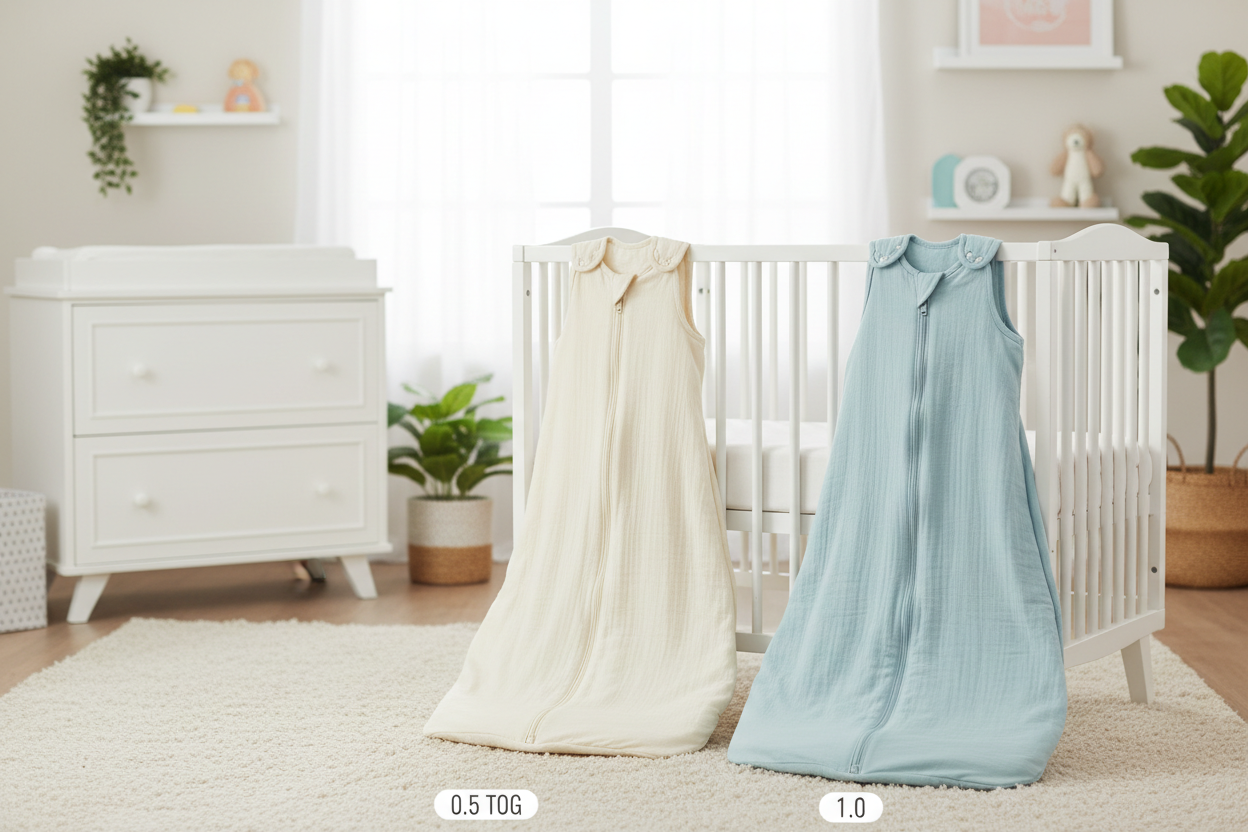


Leave a comment
This site is protected by hCaptcha and the hCaptcha Privacy Policy and Terms of Service apply.