
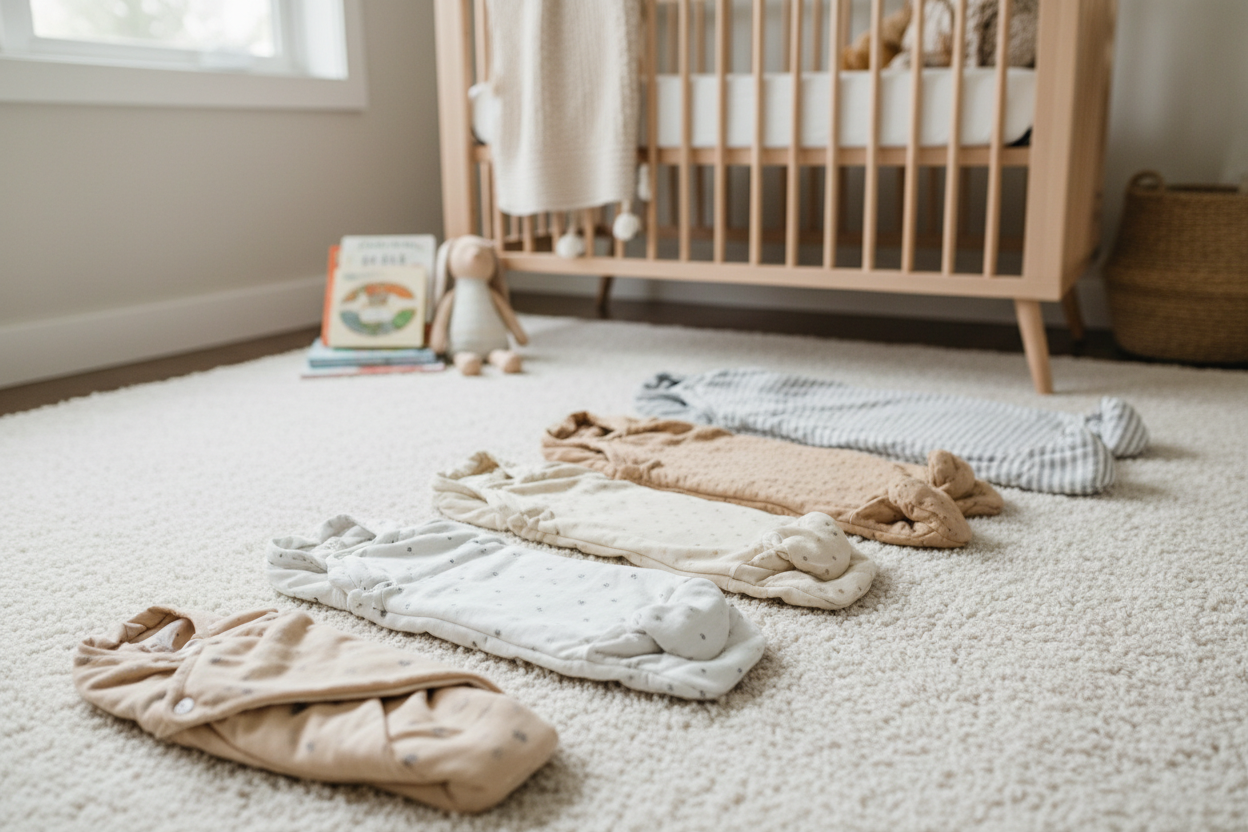
What Size Sleep Sack Do I Need? A Complete Sleep Sack Sizing Guide 👶
Choosing the right sleep sack size can feel surprisingly confusing.
One brand recommends sizing by age. Another uses weight. Some parents focus on height, while others simply buy the next size up.
If you're wondering what size sleep sack your baby actually needs, you're not alone.
The right fit helps your baby stay comfortable, move naturally, and sleep more peacefully throughout the night.
Quick Answer

Why Sleep Sack Size Matters
Parents often assume that bigger is better because babies grow quickly.
However, an oversized sleep sack may not provide the intended fit and comfort.
A sleep sack that is too small can also restrict movement and become uncomfortable.
The goal is finding a size that matches your baby's current stage of growth while still allowing room for natural movement.
Should You Choose Size By Age?
Age can provide a helpful starting point, but babies grow at different rates.
Two six-month-old babies may have very different heights and weights.
That's why weight and height usually provide a more accurate sizing guide than age alone.
General Sleep Sack Size Guide
| Size | Typical Age | Typical Weight |
|---|---|---|
| Small | 0–6 Months | 10–18 lbs |
| Medium | 6–12 Months | 16–24 lbs |
| Large | 12–24 Months | 22–34 lbs |
| Walker Size | 18+ Months | Varies |
Always check the sizing information provided by the specific brand you choose.

How To Tell If A Sleep Sack Fits Correctly
Signs The Size Is Correct
- Neck opening fits securely without being tight
- Arm openings stay comfortably in place
- Baby can freely kick and bend their legs
- Fabric does not bunch excessively around the face
- Baby appears comfortable during sleep
Signs The Sleep Sack May Be Too Large
- Neck opening appears loose
- Shoulders slip inside the garment
- Excess fabric gathers near the face
- Length is dramatically oversized
Signs The Sleep Sack May Be Too Small
- Limited leg movement
- Difficulty zipping
- Tight arm openings
- Noticeable discomfort during sleep
When Should You Size Up?
Many parents wonder whether they should size up early to get more use from a sleep sack.
In general, it's best to size up when your baby approaches the upper end of the recommended weight range.
Choosing a dramatically larger size too early often creates a less comfortable fit.
Sleep Sack Sizing Around The United States
Parents in Texas and Florida often keep multiple sleep sacks in different TOG ratings because warmer temperatures can affect clothing choices throughout the year.
California families frequently switch between lightweight and mid-weight options depending on season and region.
In New York City apartments, indoor temperatures may vary significantly between winter and summer, making both sizing and TOG selection important.
Regardless of where you live, choosing the correct size remains more important than simply buying larger sleepwear.
What About Walker Sleep Sacks?
Once babies become active toddlers, many families transition to walker sleep sacks.
Walker sleep sacks provide foot openings for mobility while still offering the familiar comfort of wearable sleepwear.
Sizing should still prioritize height and weight rather than age alone.

Common Sizing Mistakes Parents Make
- Buying several sizes too large
- Choosing size by age only
- Ignoring weight recommendations
- Using the same size long after baby has outgrown it
- Forgetting to reevaluate size during growth spurts
Final Thoughts
The best sleep sack size is the one that fits your baby's current height, weight, and developmental stage.
While age can provide a useful guideline, weight and fit are usually the most reliable indicators.
A properly sized sleep sack can help support comfort, movement, and a consistent bedtime routine.
👉 Related: How Many Sleep Sacks Do I Need?
👉 Related: Baby Rolling in a Sleep Sack: Is It Safe?
👉 Related: Sleep Sack TOG Rating Chart
Find The Perfect Sleep Sack Size ✨
Explore bamboo sleep sacks and walker sleep sacks designed to grow with your child through every stage of sleep.
SHOP SLEEP SACKS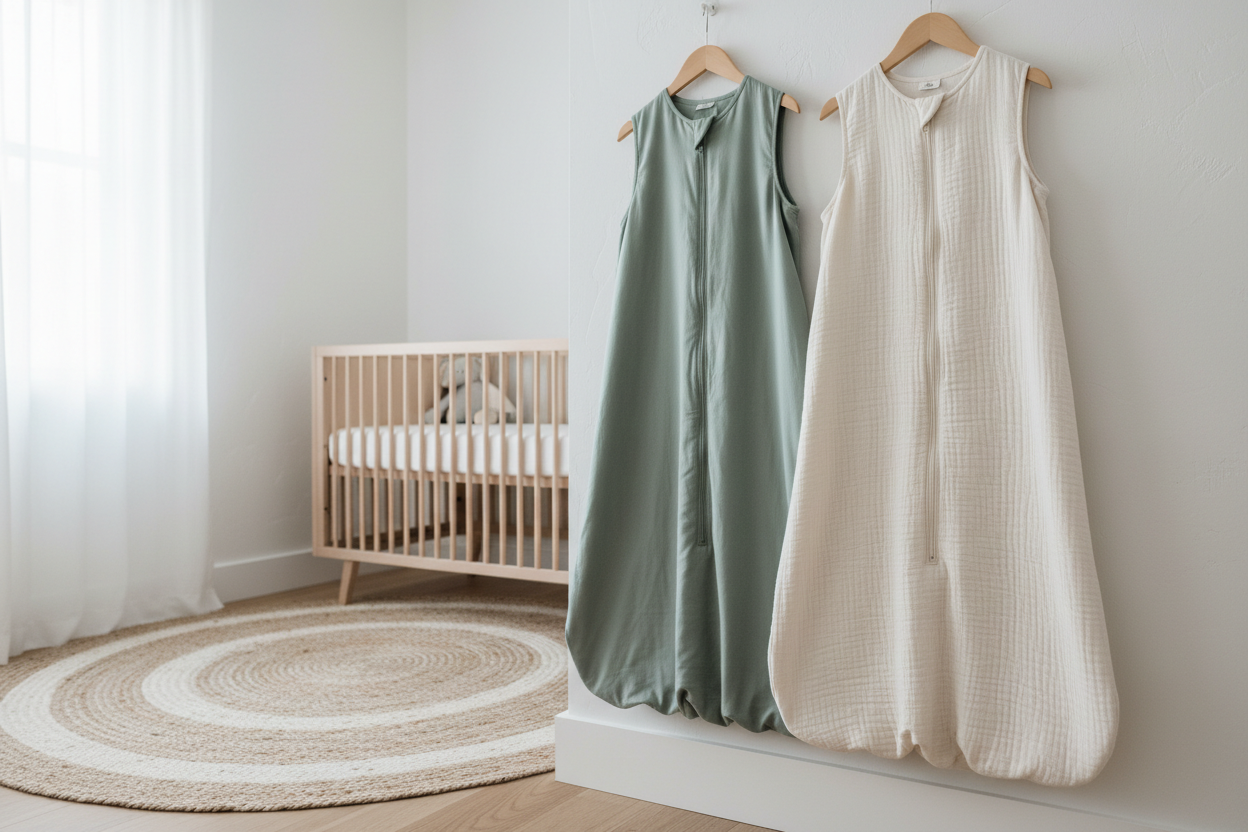



Leave a comment
This site is protected by hCaptcha and the hCaptcha Privacy Policy and Terms of Service apply.