
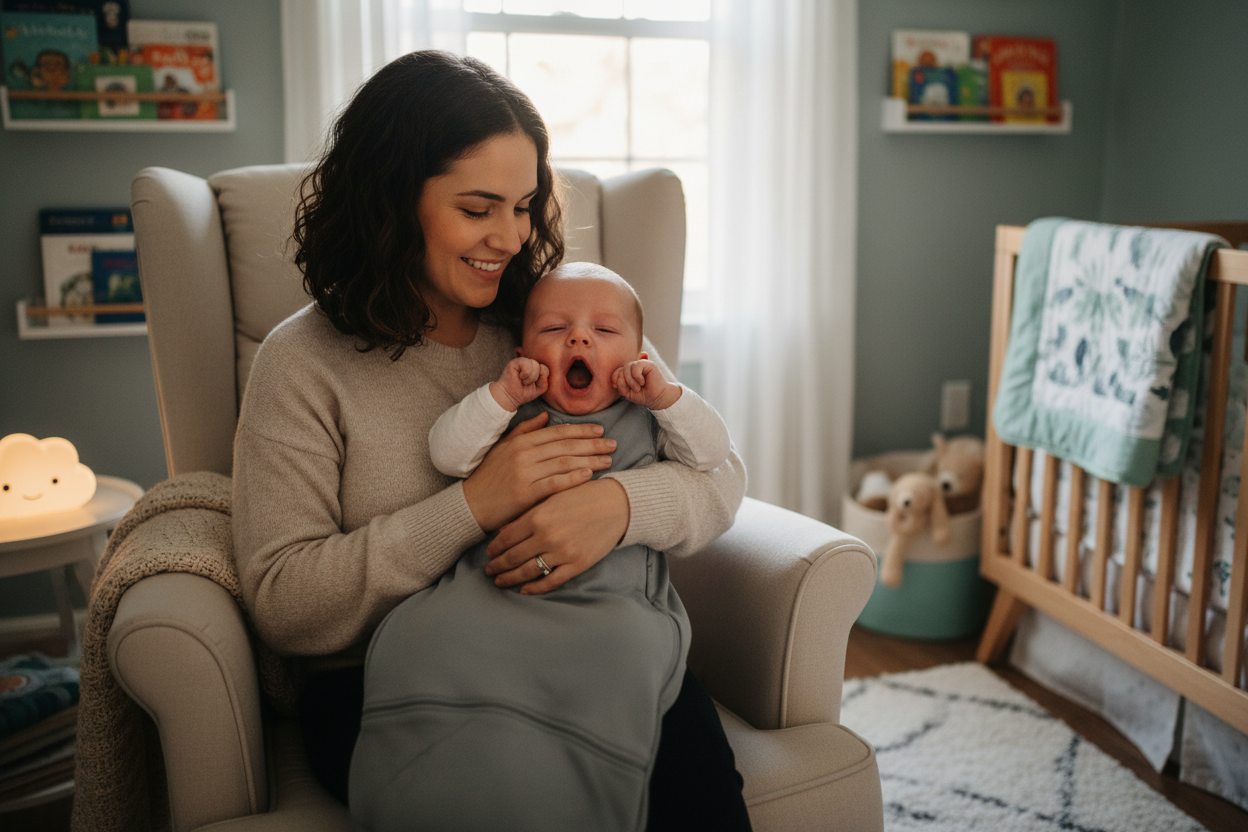
Why Does My Baby Fight Sleep at Bedtime? 😩🌙
Your baby is rubbing their eyes, yawning, and clearly tired—but the moment bedtime begins, they start crying, arching their back, or refusing to settle.
If this sounds familiar, you're far from alone. Many babies go through periods when they seem determined to stay awake, even when they desperately need sleep.
The encouraging news is that bedtime resistance usually has an understandable cause. Once you identify what's making it harder for your baby to relax, bedtime often becomes much smoother.
Let's explore the most common reasons babies fight sleep and what you can do to help.
Quick Answer

Why Do Babies Fight Sleep?
Although it may seem like your baby doesn't want to sleep, that's usually not the case. Most babies actually want sleep—they simply struggle to transition from being awake to falling asleep.
As babies grow, they experience rapid physical, emotional, and brain development. These changes can temporarily make bedtime more challenging.
Quick fact: Babies don't fight sleep because they're being stubborn. They're often responding to tiredness, stimulation, or developmental changes.
10 Common Reasons Babies Fight Sleep

Bubble Panda Expert Tip 🤍
Many bedtime struggles aren't caused by one big problem—they're often the result of several small factors working together. A calming routine, comfortable room temperature, and breathable bamboo sleep sack can help remove unnecessary sleep disruptions.
Gentle Ways to Help Your Baby Fall Asleep
Improving bedtime often starts with small, consistent changes. Rather than trying multiple new techniques at once, focus on creating a calming routine that your baby can learn to recognize every evening.
Bedtime Environment Checklist
Before bedtime, check:
- ✓ Is the nursery comfortably cool?
- ✓ Are the lights dim?
- ✓ Is white noise helping block sudden sounds?
- ✓ Is your baby wearing breathable sleepwear?
- ✓ Is the sleep sack matched to the room temperature?
- ✓ Has your baby had a chance to feed and burp?
Common Bedtime Mistakes
When Should You Talk to Your Pediatrician?
Bedtime resistance is a normal developmental phase for many babies. However, it's worth discussing sleep with your pediatrician if your baby:
- Frequently seems to be in pain while trying to sleep.
- Has persistent feeding difficulties.
- Has breathing problems during sleep.
- Shows poor weight gain or developmental concerns.
- Experiences sudden, significant changes in sleep patterns.

Regional Tips
Texas: Summer evenings often stay warm well after sunset. Choose lightweight, breathable sleepwear and adjust TOG ratings based on your indoor nursery temperature—not the outdoor weather.
Florida: Humid conditions may make babies feel warmer. Good airflow and moisture-wicking bamboo fabrics can improve nighttime comfort.
California: Coastal areas may cool rapidly after sunset, while inland cities remain warm. Check the room temperature before bedtime each night.
New York City: Apartment heating in winter and air conditioning in summer can change nursery temperatures quickly. A room thermometer can help you dress your baby appropriately.
Product Recommendation
A relaxing bedtime routine works best when your baby's sleep environment is just as comfortable as the routine itself. While no sleep sack can solve every bedtime challenge, breathable sleepwear can help reduce common distractions like overheating or feeling chilly.
The Bubble Panda Bamboo Sleep Sack Collection is made with ultra-soft bamboo fabric that's gentle on sensitive skin and designed to provide comfortable, consistent sleep throughout the night.
If your nursery stays warm during spring or summer, the Bubble Panda 0.5 TOG Bamboo Sleep Sack offers lightweight breathability to help your baby stay comfortable without unnecessary layers.
Not sure which sleep sack is best for tonight? Visit the Bubble Panda TOG Rating Chart to choose the right TOG based on your nursery temperature.
Related Reading
👉 Why Does My Baby Wake Up After 30 Minutes?
👉 Why Does My Baby Hate Their Sleep Sack?
👉 When Do Babies Sleep Through the Night?
👉 What Should Baby Wear to Sleep Tonight?
Final Answer
When babies fight sleep at bedtime, they're usually not refusing sleep—they're communicating that something is making it difficult to settle. Overtiredness, overstimulation, hunger, developmental changes, and an uncomfortable sleep environment are among the most common reasons.
By creating a predictable bedtime routine, watching for early sleep cues, and providing a calm, comfortable nursery, many families find bedtime becomes easier over time.
Remember that every baby develops at their own pace. Consistency and patience are often the most effective tools for building healthy sleep habits.
Frequently Asked Questions
Why does my baby cry when they're obviously tired?
An overtired baby may actually have a harder time falling asleep because stress hormones can make it more difficult to relax. Catching early sleep cues may help.
Is it normal for babies to fight sleep?
Yes. Many babies go through periods of bedtime resistance due to developmental milestones, sleep regressions, overstimulation, or changing sleep needs.
Can a sleep sack help babies who fight sleep?
A sleep sack won't eliminate bedtime resistance, but breathable sleepwear that matches the room temperature can improve comfort and remove one possible cause of sleep disruption.
Make Bedtime a Little Easier 💚🌙
From calming bedtime routines to breathable bamboo sleep sacks, every small step can help your baby feel more comfortable and ready for a restful night's sleep.
SHOP ALL SLEEP SACKS VIEW TOG GUIDE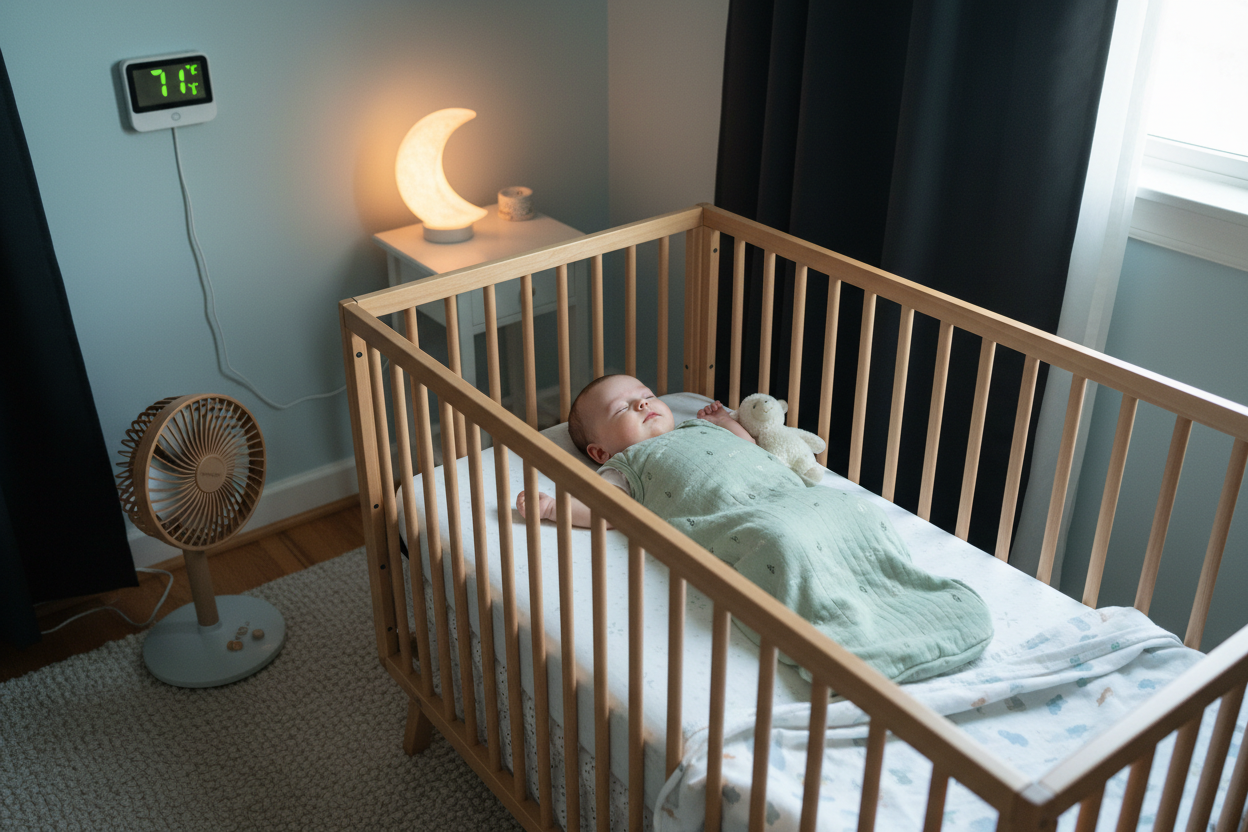


Laisser un commentaire
Ce site est protégé par hCaptcha, et la Politique de confidentialité et les Conditions de service de hCaptcha s’appliquent.