

Baby Sleep Regression: Why Is My Baby Suddenly Waking Up? 🌙👶
You finally feel like your baby has settled into a predictable sleep routine. Bedtime is smoother, nighttime wake-ups are improving, and you start thinking, "Maybe we are finally getting there."
Then suddenly, everything changes.
Your baby starts waking more often, fighting naps, needing extra comfort, or refusing to sleep the way they did before. Many parents wonder if they did something wrong—but this sudden change is often a normal part of development called sleep regression.
Sleep regression can feel exhausting, but understanding why it happens can make these challenging phases much easier to manage.
Quick Answer

What Is Baby Sleep Regression?
Sleep regression is a period when a baby who was sleeping relatively well suddenly begins having more sleep difficulties.
During these periods, babies may:
- ✓ Wake up more frequently at night.
- ✓ Take shorter naps.
- ✓ Fight bedtime.
- ✓ Need more help falling asleep.
- ✓ Become more restless during sleep.
While it can feel like your baby's sleep has gone backward, sleep regression often happens because your baby is learning new skills and experiencing major developmental changes.
Why Does Sleep Regression Happen?
Babies do not sleep the same way adults do. Their brains and sleep patterns are constantly developing during the first years of life.
Common Baby Sleep Regression Ages
Sleep regression does not happen at exactly the same time for every baby, but some ages are more commonly associated with sleep changes.
Is Sleep Regression Permanent?
The good news is that sleep regression is usually temporary. Most babies return to more predictable sleep patterns once they adjust to the developmental change.
The key is keeping your response consistent and supporting your baby's comfort during the transition.
Bubble Panda Expert Tip 🤍
During sleep regression, familiar bedtime cues can become especially important. A consistent routine, comfortable pajamas, and a breathable sleep sack can help signal that it is time to rest.
How to Help Your Baby Through Sleep Regression
Sleep regression can be challenging, but small adjustments can help your baby feel secure and return to healthier sleep habits. The goal is not to create a perfect night immediately—it is to provide consistency while your baby adjusts.
1. Keep a Consistent Bedtime Routine
Babies feel more comfortable when they know what comes next. A predictable bedtime routine can help your baby recognize that sleep time is approaching.
- ✓ Dim the lights before bedtime.
- ✓ Use the same calming activities each night.
- ✓ Put on pajamas and a sleep sack as bedtime signals.
- ✓ Keep bedtime timing consistent when possible.
2. Check Your Baby's Sleep Environment
During sleep regression, babies may become more sensitive to their surroundings. Temperature, clothing, and comfort can all affect nighttime wake-ups.

Should You Change Your Sleep Routine During Regression?
Many parents feel tempted to completely change their approach when sleep suddenly becomes difficult. However, babies often benefit from familiar routines during times of change.
Instead of changing everything at once, try making small adjustments and giving your baby time to adapt.
Common Sleep Regression Mistakes
How Sleep Sacks Can Support Sleep During Regression
During sleep regression, babies often need extra comfort and familiar routines. A sleep sack can become a consistent bedtime cue that helps your baby recognize when it is time to sleep.
A breathable sleep sack can also help parents maintain a comfortable sleep environment without relying on loose blankets.
Sleep regression is not usually a sign that your baby no longer needs a sleep sack. Many babies continue using sleep sacks throughout different developmental stages.
Regional Tips
Texas: Warm temperatures and heavy air conditioning use can create changing bedroom conditions. Check your baby's layers instead of assuming more warmth is needed.
Florida: Humidity can make babies feel warmer during sleep. Lightweight bamboo sleep sacks and breathable fabrics can help improve comfort.
California: Temperature changes between daytime and nighttime may require adjusting sleep layers throughout the year.
New York City: Seasonal heating changes can affect nursery temperatures, so using a TOG guide can help maintain comfort.

Bubble Panda Sleep Sack Recommendation
Sleep regression can be a difficult season for parents, but creating a comfortable and predictable sleep environment can make the transition easier. The right sleep sack can become a familiar bedtime cue that helps your baby feel ready for rest.
The Bubble Panda Standard Sleep Sack Collection is designed for everyday sleep with soft bamboo fabric that provides breathable comfort during changing sleep stages.
For babies experiencing sleep challenges during warmer months, the Bubble Panda 0.5 TOG Bamboo Sleep Sack offers a lightweight option for warm rooms and summer nights.
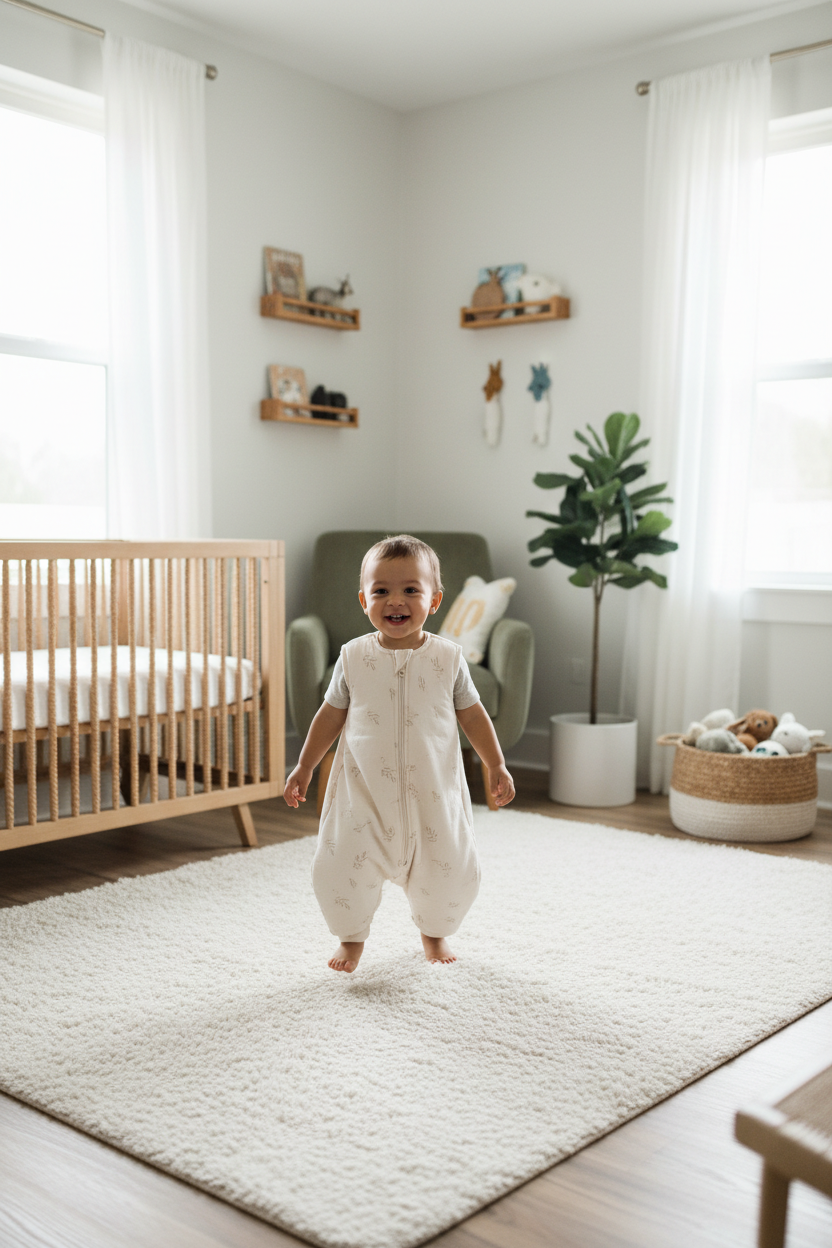
As your baby grows and becomes more active, the Bubble Panda Walker Sleep Sack Collection can provide extra freedom of movement while maintaining a familiar bedtime routine.
Need help choosing the right warmth level? Visit the Bubble Panda TOG Rating Chart to find the best sleep sack option based on your baby's room temperature.
Related Reading
👉 Why Does My Baby Hate Their Sleep Sack?
👉 When Should Babies Stop Using a Sleep Sack?
👉 How Many Sleep Sacks Does a Baby Need?
👉 What Should Baby Wear to Sleep Tonight?
Final Thoughts
Baby sleep regression can feel overwhelming, especially when your baby suddenly changes a sleep pattern that was finally working.
Remember that regression is usually a temporary phase connected to growth and development. Instead of completely changing your baby's routine, focus on creating consistency, comfort, and a calming sleep environment.
A familiar bedtime routine, comfortable sleepwear, and the right sleep sack can help your baby feel secure while moving through these changes.
Frequently Asked Questions
How long does baby sleep regression last?
Sleep regression length varies by baby. Many regressions improve after a few weeks as babies adjust to developmental changes.
What are the most common sleep regression ages?
Common sleep regression periods often happen around 4 months, 6 months, 8–10 months, and 12 months, although every baby is different.
Should I stop using a sleep sack during sleep regression?
Usually not. A familiar sleep sack can actually become a comforting part of your baby's bedtime routine during periods of change.
Create a More Comfortable Sleep Routine 💚🌙
Support your baby's changing sleep needs with breathable bamboo sleep sacks designed for comfort through every stage.
SHOP ALL SLEEP SACKS CHECK TOG GUIDE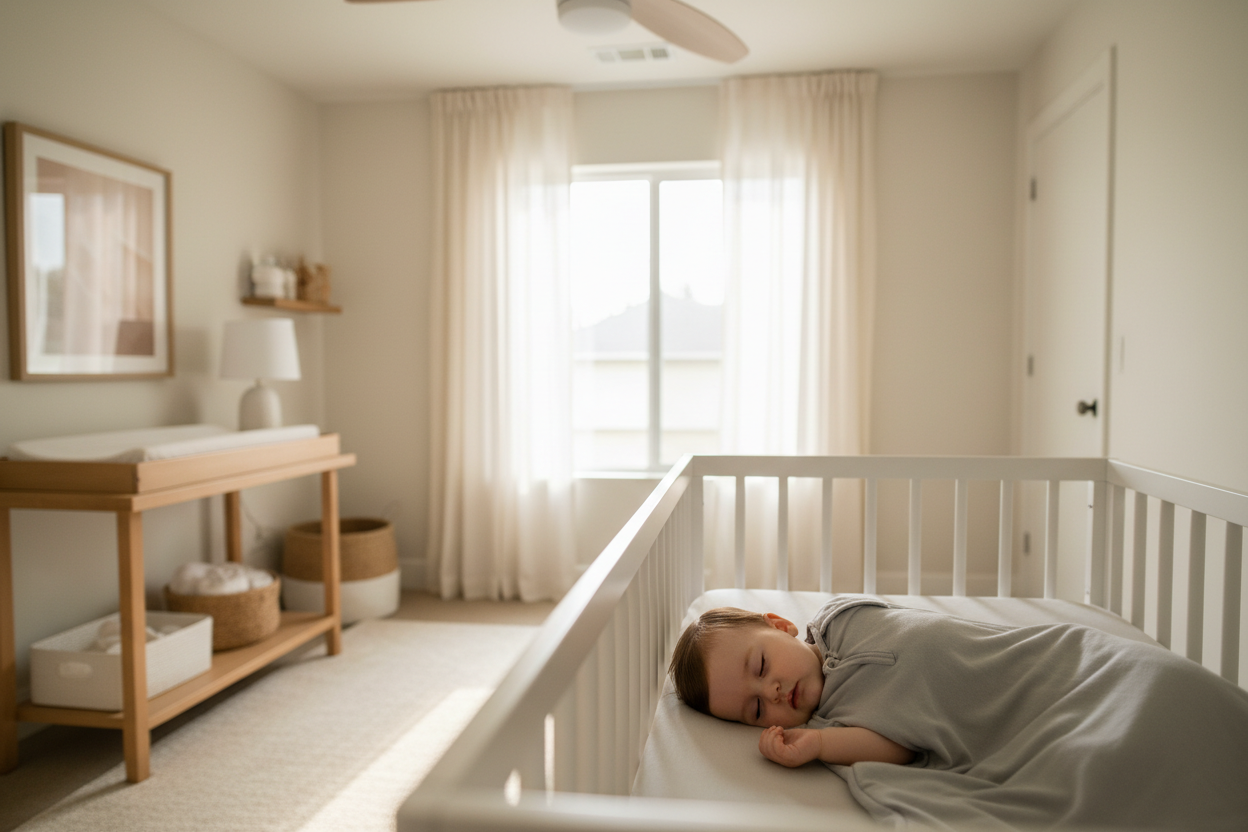


Laisser un commentaire
Ce site est protégé par hCaptcha, et la Politique de confidentialité et les Conditions de service de hCaptcha s’appliquent.