
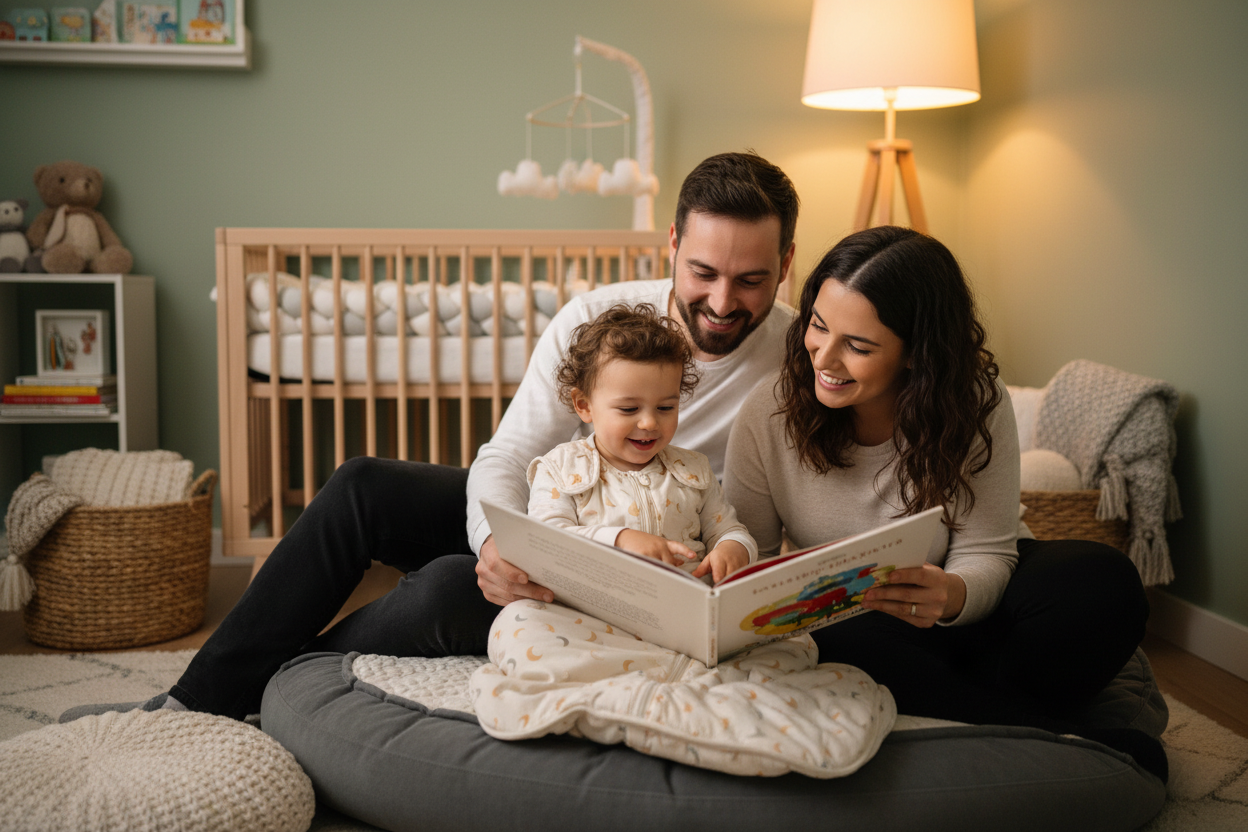
Does My Toddler Still Need a Sleep Sack? 🌙💚
Your baby isn't really a baby anymore.
They're climbing onto the couch, running through the house, and insisting on choosing their own bedtime book. As your little one grows, it's natural to wonder whether they still need a sleep sack.
Some toddlers happily continue using one for years, while others are ready to transition earlier. The key isn't age—it's your child's comfort, development, and bedtime routine.
Quick Answer

Why Some Toddlers Love Sleep Sacks
For many children, a sleep sack becomes part of a familiar bedtime routine. Just like a favorite bedtime story or lullaby, wearing the same comfortable sleepwear each night can help signal that it's time to wind down.
- ✓ Creates a consistent bedtime routine.
- ✓ Helps replace loose blankets.
- ✓ Keeps toddlers comfortably covered throughout the night.
- ✓ Offers a familiar sense of comfort.
There's No "Magic Age" to Stop
Parents often ask whether children should stop wearing a sleep sack at 18 months, 2 years, or even 3 years old.
The truth is that there isn't one correct answer. Every toddler develops differently, and many continue using wearable blankets as long as they remain comfortable and appropriately sized.
Signs Your Toddler May Still Benefit from a Sleep Sack
Bubble Panda Sleep Tip 🤍
Instead of asking, "How old is my toddler?" try asking, "Is my toddler still sleeping comfortably?" A peaceful bedtime routine is often the best indicator that your current sleep setup is working well.
When Should a Toddler Stop Using a Sleep Sack?
There is no single age when every toddler should stop using a sleep sack. Some children transition naturally when they become more independent sleepers, while others continue enjoying the comfort and routine for longer.
Instead of focusing only on age, look for signs that your child is ready for a change.
Signs Your Toddler May Be Ready to Transition
- ✓ Your toddler consistently asks to remove the sleep sack.
- ✓ They can adjust blankets independently.
- ✓ They show interest in sleeping like older children.
- ✓ The sleep sack feels restrictive or uncomfortable.
- ✓ They have developed a new bedtime preference.
Sleep Sack vs Blanket: What Changes?
Many parents wonder if switching from a sleep sack to a blanket is an important milestone.
For some toddlers, the transition is easy. For others, a sleep sack continues to provide a familiar sleep routine and comfortable coverage.

How to Make the Transition Easier
If your toddler seems ready to move away from a sleep sack, a gradual approach can make bedtime feel more comfortable.
1. Keep the Bedtime Routine the Same
Continue familiar habits like reading stories, dimming lights, and using the same bedtime schedule. The sleep sack may change, but the routine does not have to.
2. Let Your Toddler Participate
Giving your child small choices—such as choosing pajamas or picking a bedtime book—can help them feel confident about growing up.
3. Consider a Walker Sleep Sack During the Transition
Some toddlers are not ready to completely stop using wearable sleepwear but need more freedom of movement.
A walker sleep sack can provide a middle step between a traditional baby sleep sack and completely independent sleeping.
Regional Sleep Tips for Toddlers
Texas: Warm climates often require lightweight toddler sleepwear. Breathable fabrics can help little ones stay comfortable during hot nights.
Florida: Humidity can make temperature management more challenging, so choosing the right TOG rating matters.
California: Coastal and inland temperatures can vary greatly, making seasonal sleep adjustments important.
New York City: During colder months, focus on appropriate sleep layers rather than relying on loose bedding.
Common Mistakes When Transitioning
Bubble Panda Sleep Tip 🤍
Growing up doesn't mean your toddler has to give up every familiar comfort at once. A gradual transition often creates a smoother bedtime experience for both children and parents.

Bubble Panda Sleep Sack Recommendations
Whether your toddler continues using a sleep sack or is beginning the transition away from one, choosing sleepwear that matches their stage of development can help make bedtime more comfortable.
For active toddlers who enjoy walking before bed, the Bubble Panda Walker Sleep Sack Collection offers breathable bamboo comfort with a design that supports natural movement.
If your little one is still happiest in a traditional wearable blanket, explore the Bubble Panda Standard Sleep Sack Collection for soft, cozy sleepwear designed for younger children.
For warmer nights, the Bubble Panda Bamboo 0.5 TOG Sleep Sack Collection helps keep toddlers comfortable while maintaining breathability.
Need help choosing the correct warmth level? Visit the Bubble Panda TOG Rating Chart to match TOG ratings with your nursery temperature.
Related Reading
👉 When Should Baby Start Using a Walker Sleep Sack?
👉 Walker Sleep Sack vs Standard Sleep Sack
👉 How to Choose the Best Walker Sleep Sack
👉 Baby Rolling in a Sleep Sack: Is It Safe?
Final Thoughts
There's no deadline for saying goodbye to a sleep sack.
Many toddlers continue sleeping happily in one long after they begin walking, while others naturally transition to blankets when they're ready.
The most important thing is choosing a sleep setup that supports your child's comfort, independence, and bedtime routine.
- ✓ Your toddler sleeps comfortably through the night.
- ✓ The sleep sack fits correctly.
- ✓ The TOG rating matches your nursery temperature.
- ✓ Your child enjoys the bedtime routine.
- ✓ You're following your toddler's readiness—not a specific age.
Every child grows at their own pace. Whether your toddler continues using a sleep sack or begins the transition to blankets, a calm and consistent bedtime routine remains one of the best ways to encourage healthy sleep habits.
Frequently Asked Questions
Can a 2-year-old still wear a sleep sack?
Yes. Many 2-year-olds continue using a properly fitted sleep sack comfortably. The decision depends on your child's sleep habits, mobility, and personal preference rather than age alone.
When should toddlers stop using a sleep sack?
There is no universal age. Some toddlers transition earlier, while others continue using a sleep sack for comfort and a familiar bedtime routine.
Is a walker sleep sack better for older toddlers?
For toddlers who enjoy walking or moving around before bedtime, a walker sleep sack can provide greater freedom of movement while maintaining the comfort of wearable sleepwear.
Support Better Toddler Sleep Every Night 💚🌙
From first steps to preschool bedtime routines, Bubble Panda's breathable bamboo sleep sacks are designed to grow with your little one and make every night more comfortable.
SHOP WALKER SLEEP SACKS VIEW TOG GUIDE


Laisser un commentaire
Ce site est protégé par hCaptcha, et la Politique de confidentialité et les Conditions de service de hCaptcha s’appliquent.