
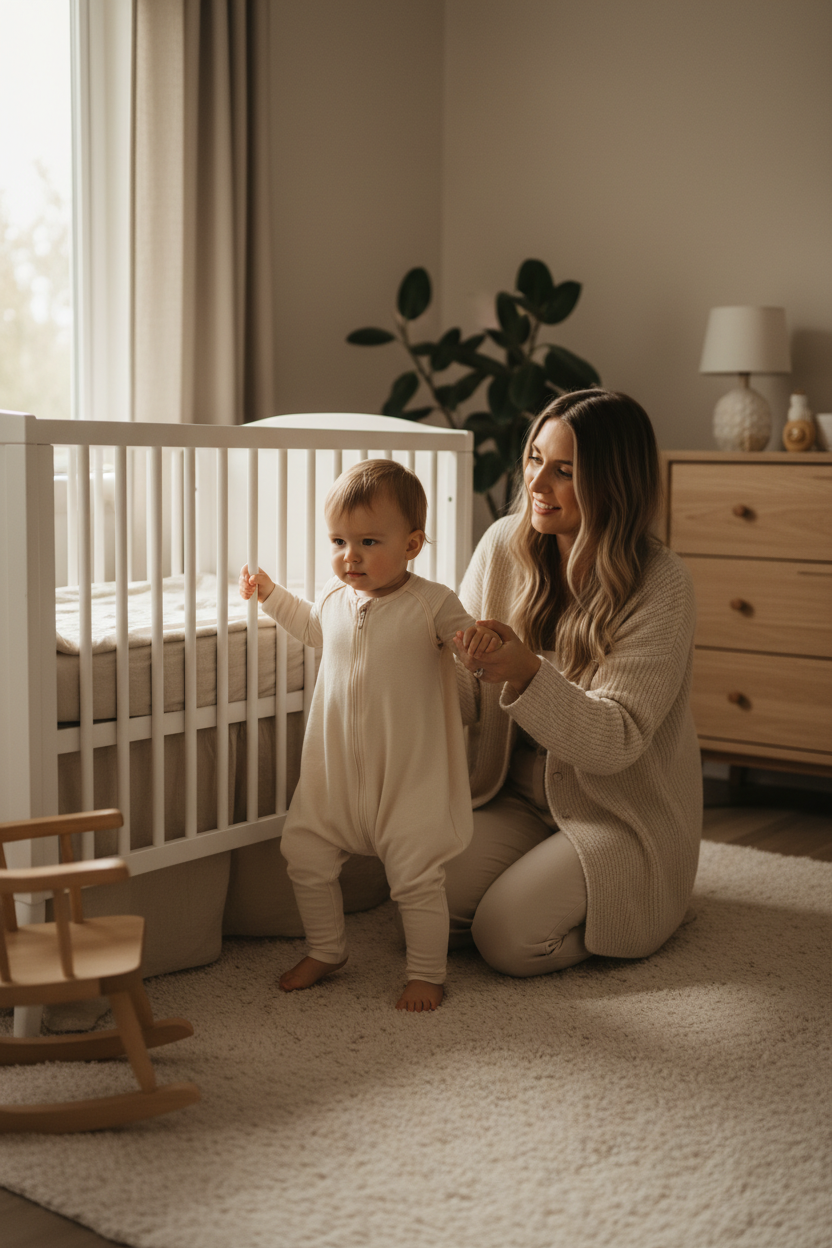
When Should Your Baby Switch to a Walker Sleep Sack?
Crawling, standing, cruising, and those first little steps can change what your baby needs from their sleepwear. Here's how to know when a walker sleep sack may make sense.
💡 Quick Answer
You may want to consider a walker-style sleep sack when your baby or toddler becomes increasingly mobile, especially during the stages of standing, cruising, or beginning to walk. Unlike a traditional sleep sack that generally keeps both legs together, a walker sleep sack typically uses separated legs and may include open feet to give a mobile child more freedom of movement.
There isn't one specific age when every baby needs to make the switch. Your child's developmental stage, mobility, sleepwear fit, and individual needs are more useful factors than age alone.
👣 A Simple Guide: Baby's Stage vs. Sleep Sack Style
Instead of focusing only on age, look at what your little one is actually doing.
| Developmental Stage | What Parents May Consider |
|---|---|
| Rolling | A properly fitted traditional sleep sack may still work well. |
| Crawling | Mobility becomes more relevant as your baby moves around more. |
| Pulling to stand | Consider whether the current sleepwear allows comfortable movement. |
| Cruising | A separated-leg design may provide more lower-body freedom. |
| Early walking | A walker-style sleep sack can be useful for babies who want to stand and move. |
| Confident walking | Open-foot or walker-style sleepwear can make movement easier than an enclosed design. |
Developmental stages vary from child to child. This guide is not a strict switching schedule.

What Is a Walker Sleep Sack?
A walker sleep sack is a type of wearable sleepwear designed with a more mobile baby or toddler in mind.
Instead of one enclosed bottom like a traditional sleep sack, a walker-style design typically separates the legs. Some styles also include open feet.
More freedom of movement for a baby or toddler who is becoming more mobile.
Why Does the Walker Design Matter?
The actual design of a sleep sack matters more than simply describing it as “soft” or “comfortable.” Here's what the specific features are intended to do.
🦵 Separated Legs
What it is: The lower portion of the sleep sack is divided into separate leg areas.
Why it matters: A child has more independent leg movement than with a traditional sleep sack with one enclosed bottom.
🦶 Open Feet
What it is: The feet aren't fully enclosed by the sleep sack.
Why it matters: Open feet can make it easier for a mobile baby or toddler to stand and walk while wearing their sleepwear.
Standard Sleep Sack vs. Walker Sleep Sack
Neither style is automatically better. They are simply designed around different needs.
| Feature | Traditional Sleep Sack | Walker Sleep Sack |
|---|---|---|
| Leg design | Legs generally stay together | Legs are separated |
| Foot design | Usually enclosed | Often open |
| Lower-body movement | More limited | More freedom of movement |
| Developmental context | Less mobile stages | Standing, cruising, walking |

💬 “My Baby Just Started Crawling. Do We Need One?”
Not necessarily.
Crawling is an important mobility milestone, but it doesn't automatically mean you need to switch sleepwear.
A more useful question is whether your baby's current sleep sack still provides a comfortable and appropriate fit for their current stage. As your child moves into pulling up, standing, cruising, or walking, a walker-style design may become more relevant.
👶 A Simple Decision Rule
A traditional sleep sack may still meet your needs.
Start thinking about how your child moves in their sleepwear.
A separated-leg or open-foot design may become more useful.
What TOG Should a Walker Sleep Sack Be?
The walker design and the TOG rating solve two different problems.
Walker Design
Primarily relates to mobility.
TOG Rating
Primarily relates to warmth.
A child can need a walker design while still needing a TOG appropriate for their particular sleep environment. For example, a 0.5 TOG bamboo walker sleep sack may be a lightweight option for warmer sleep environments.
TOG should be considered alongside room conditions, clothing layers, and your child's individual needs rather than being chosen based only on whether your child is walking.

💚 Who Might Benefit From a Walker Sleep Sack?
A walker-style sleep sack may be worth considering if your child:
- Is starting to stand
- Is cruising around furniture
- Is taking early steps
- Moves around a lot before bedtime
- Wants more freedom around the legs
- Is transitioning from a traditional enclosed sleep sack
If your child is still relatively stationary and their current sleep sack fits comfortably, there may be no reason to rush the transition.
✔️ A Quick “Should I Switch?” Checklist
If they're pulling up, cruising, or walking, a walker design may make more sense.
Consider whether the current design suits your child's stage.
Open feet may be useful as standing and walking become part of their routine.
Mobility doesn't determine TOG. Room conditions and layering still matter.
Don't choose a larger size simply to give your child more room to move.
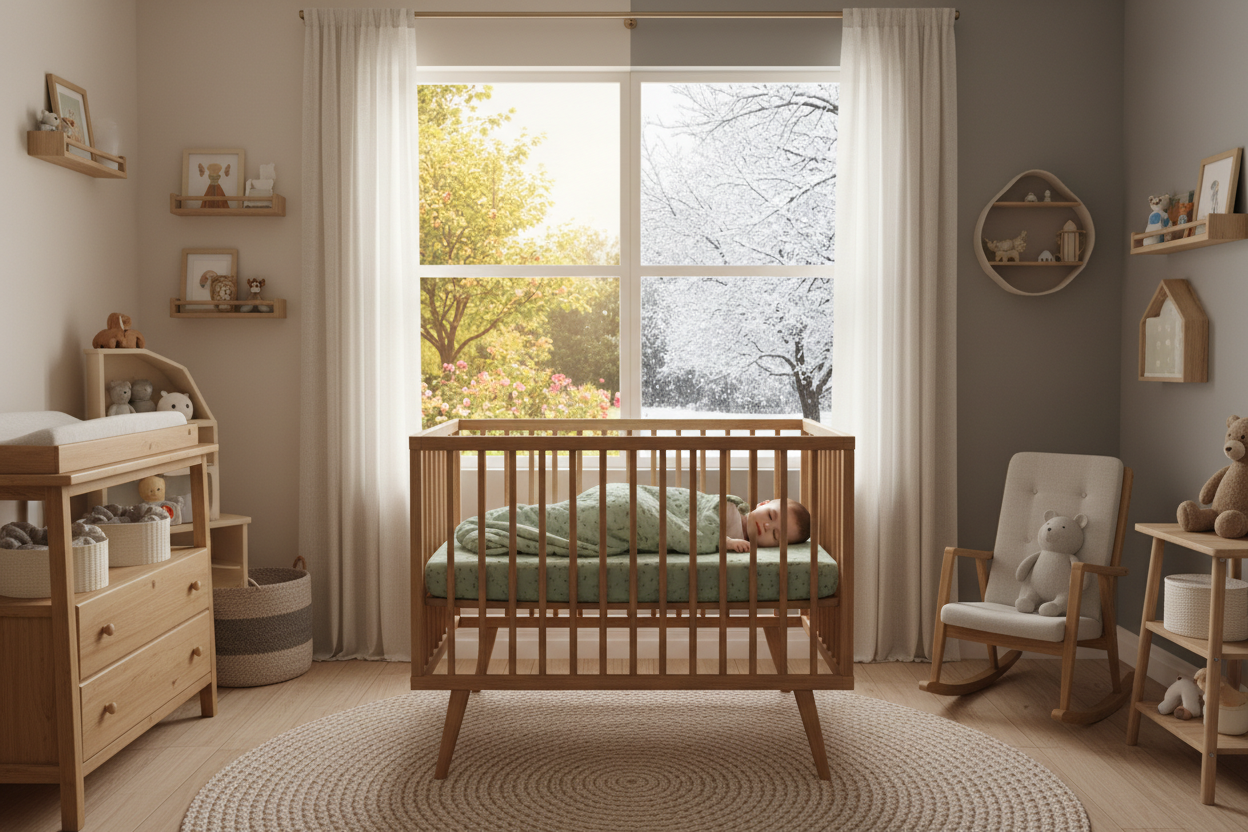
🌎 Your Location Matters Less Than Your Sleep Environment
A family in Texas or Florida may deal with warm outdoor temperatures and strong indoor air conditioning. A family in California may experience very different conditions depending on the region, while a family in New York City may need very different sleepwear layers between a heated winter room and a warm summer night.
That's why it's better to think about your baby's actual room environment, TOG rating, clothing layers, and individual needs rather than choosing sleepwear based only on where you live.
Looking for More Freedom to Move?
If your little one is moving from crawling into standing, cruising, or those first steps, a walker-style sleep sack can provide more freedom around the legs while still functioning as wearable sleepwear.
SHOP BAMBOO WALKER SLEEP SACKS →Frequently Asked Questions
When should I switch my baby to a walker sleep sack?
Consider a walker sleep sack when your baby becomes increasingly mobile, particularly during the standing, cruising, or early-walking stages. There is no universal age at which every baby needs to switch.
What is the difference between a walker sleep sack and a regular sleep sack?
A walker sleep sack typically separates the legs and may include open feet, giving a mobile baby or toddler more freedom to stand and walk than a traditional sleep sack with an enclosed bottom.
Is a 0.5 TOG walker sleep sack good for summer?
A 0.5 TOG sleep sack is a lightweight option generally intended for warmer sleep environments. Whether it is appropriate depends on room conditions, clothing layers, and your child's individual needs.
📚 You May Also Like
Ready for More Freedom to Move?
Explore Bubble Panda's bamboo walker sleep sacks designed for little ones who are becoming more mobile.
EXPLORE WALKER SLEEP SACKS →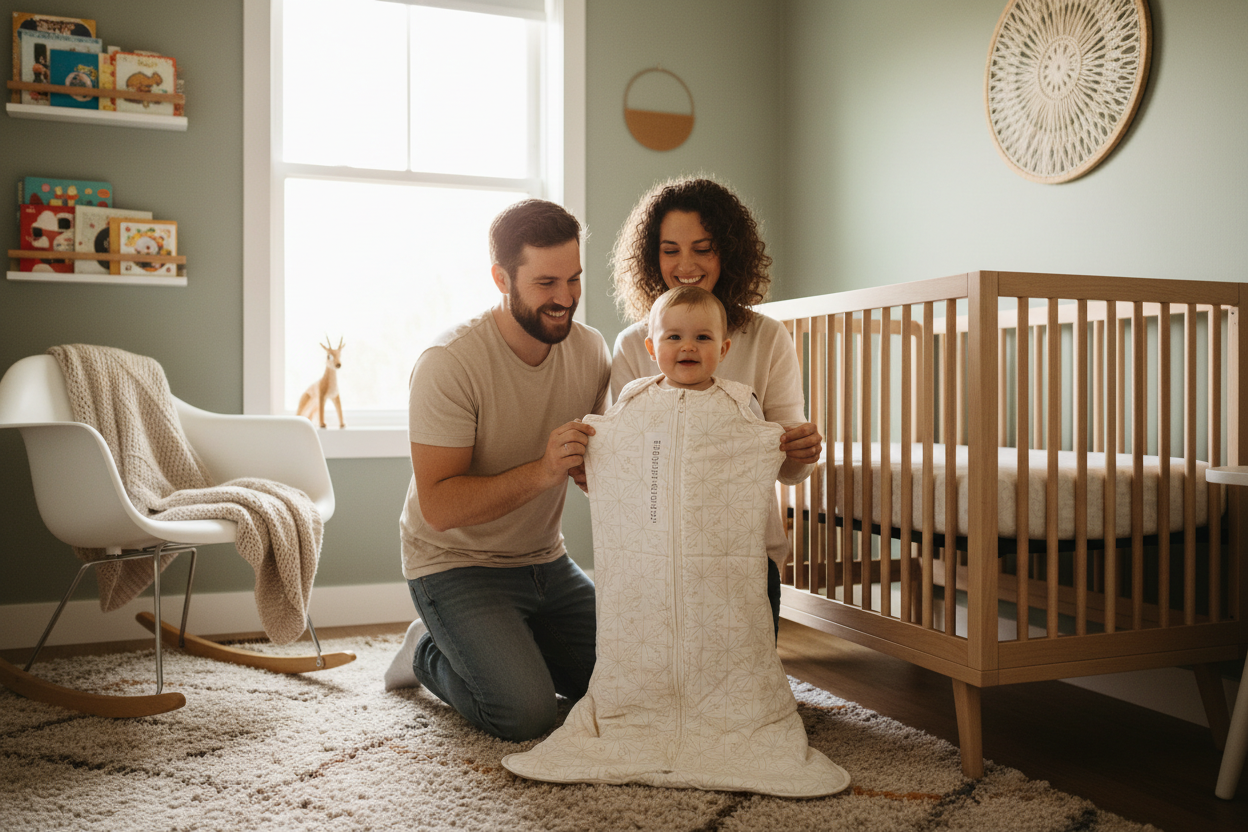


Laisser un commentaire
Ce site est protégé par hCaptcha, et la Politique de confidentialité et les Conditions de service de hCaptcha s’appliquent.