
Why Does My Baby Wake Up After a 30-Minute Nap? 😴
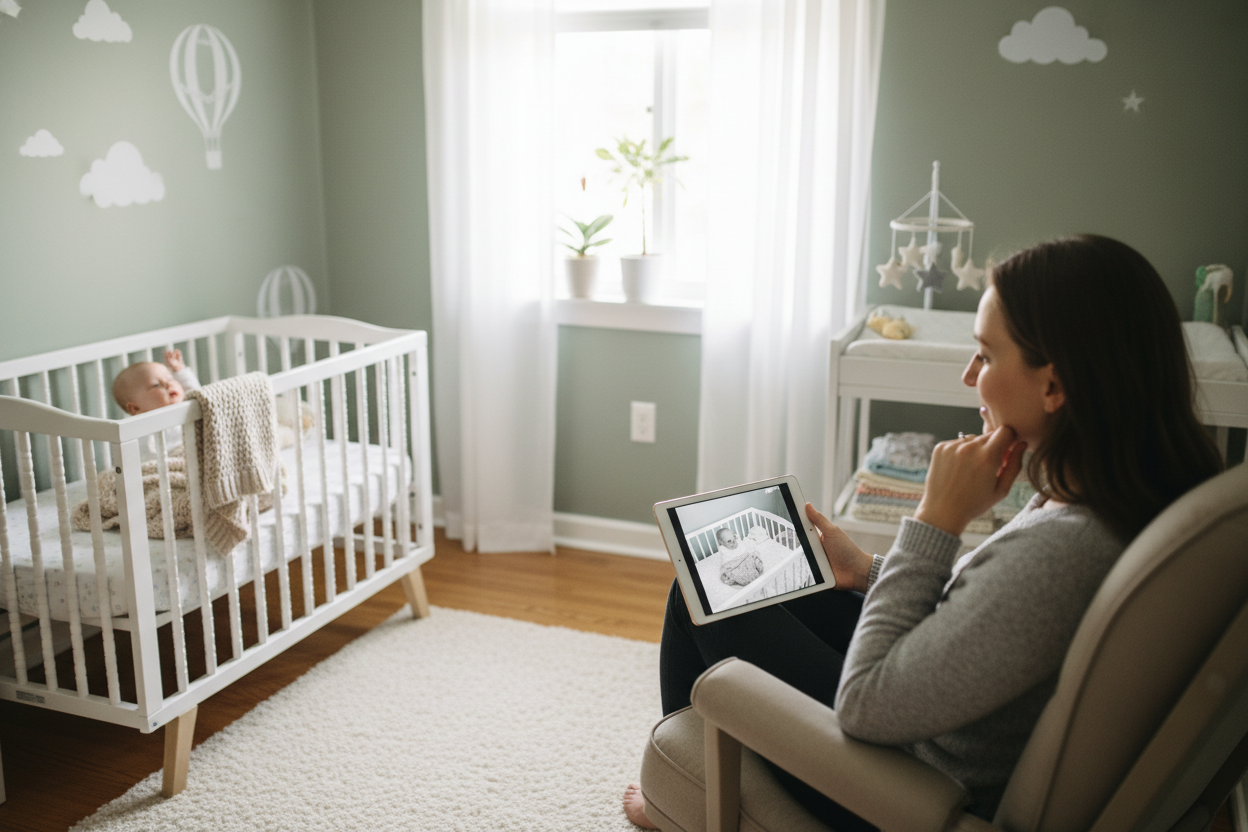
You finally get your baby to sleep, tiptoe out of the nursery, and sit down with a cup of coffee.
Just as you begin to relax, the baby monitor lights up.
Only 30 minutes have passed.
If this happens every day, you're probably wondering:
"Why does my baby wake up after only a 30-minute nap?"
Short naps are one of the most common sleep concerns for parents. While they can be frustrating, they're often a normal part of baby sleep development—and there are ways to help encourage longer naps over time.
Quick Answer

Why Are 30-Minute Naps So Common?
Baby sleep works differently from adult sleep. Young babies spend more time in lighter stages of sleep and naturally wake more often between sleep cycles.
Around the 30-minute mark, many babies briefly wake as they transition from one sleep cycle to the next.
Some babies fall back asleep on their own, while others need time and practice to develop that skill.
- ✓ Short naps are common during infancy.
- ✓ Sleep cycles become more organized as babies grow.
- ✓ Consistent routines can help support healthy sleep habits.
1. Your Baby May Be Between Sleep Cycles
One of the most common reasons for a 30-minute nap is simply reaching the end of a sleep cycle.
If your baby is still learning to connect sleep cycles, they may fully wake instead of continuing to sleep.
2. Overtiredness Can Lead to Short Naps
When babies stay awake longer than they can comfortably handle, they may fall asleep quickly but struggle to stay asleep.
- ✓ Rubbing eyes.
- ✓ Fussiness.
- ✓ Difficulty settling.
- ✓ Waking after one sleep cycle.
3. Wake Windows May Need Adjustment
Every baby has a natural amount of awake time that works best before naps.
If the wake window is too short, your baby may not be sleepy enough. If it is too long, they may become overtired before falling asleep.
4. The Sleep Environment May Be Disruptive
As babies enter lighter sleep, small changes in the environment become easier to notice.
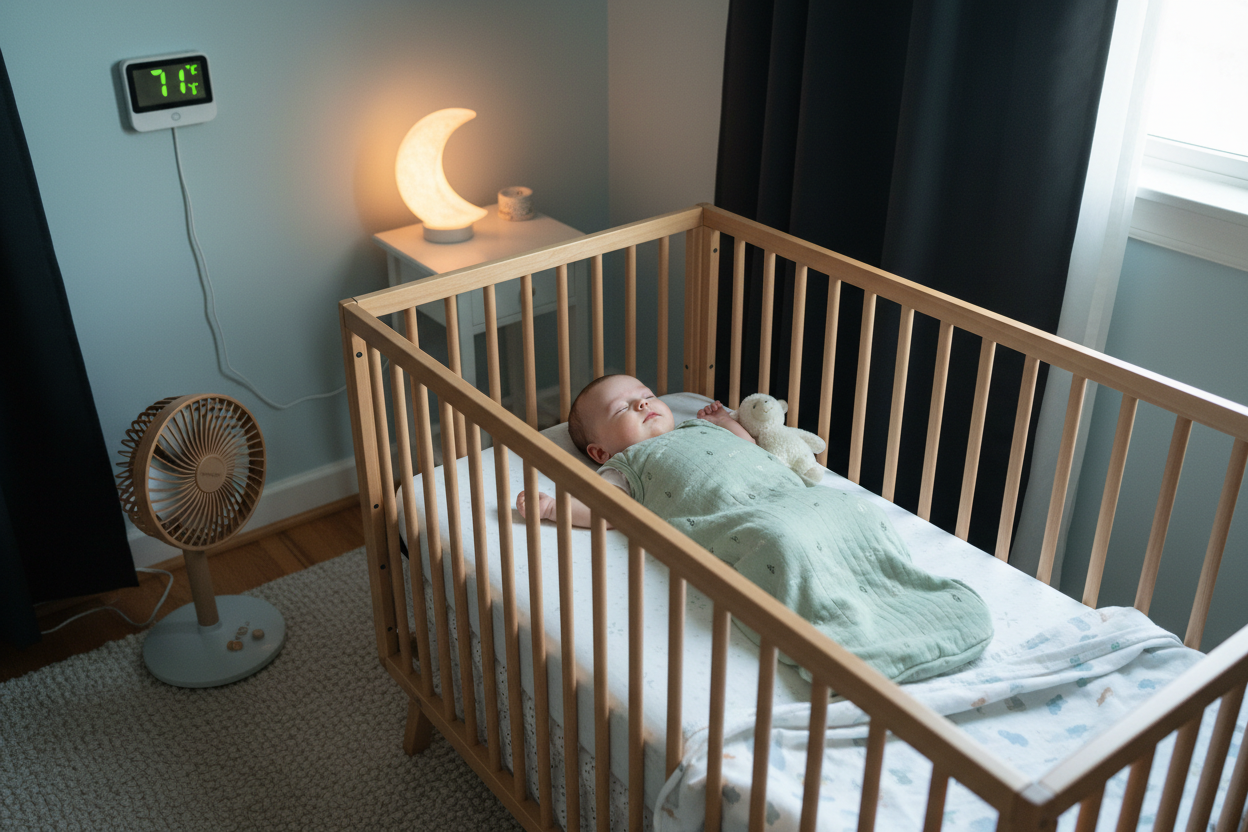
A comfortable nap environment often includes:
- ✓ A dark room.
- ✓ Comfortable room temperature.
- ✓ Minimal noise and distractions.
- ✓ Consistent sleepwear.
Bubble Panda Sleep Tip 🤍
A consistent pre-nap routine—even if it only lasts five minutes—can help signal to your baby that it is time to rest.
How to Help Your Baby Take Longer Naps
While there is no instant fix for short naps, a few consistent habits can help your baby gradually learn to sleep for longer periods.
Focus on improving your baby's sleep routine instead of expecting every nap to become longer overnight.
1. Watch for Early Sleepy Cues
Putting your baby down before they become overtired often leads to smoother naps.
- ✓ Yawning.
- ✓ Rubbing eyes.
- ✓ Looking away from stimulation.
- ✓ Becoming quieter than usual.
- ✓ Slower movements.
2. Give Your Baby a Chance to Resettle
If your baby wakes after about 30 minutes, avoid rushing in immediately every time.
Some babies pause, move around, or make small sounds before falling back asleep on their own.
Waiting a minute or two—when appropriate for your family and baby's needs—may give your baby an opportunity to reconnect the next sleep cycle.

3. Build a Simple Nap Routine
A nap routine does not need to be long. Repeating the same calming steps before every nap helps create familiar sleep cues.
Example pre-nap routine:
- ✓ Close the curtains.
- ✓ Change diaper.
- ✓ Put on a sleep sack.
- ✓ Read one short book.
- ✓ Gentle cuddle.
- ✓ Lay baby down while calm.
4. Check the Sleep Environment
The nursery environment can make it easier—or harder—for babies to stay asleep after completing one sleep cycle.
Regional Nap Tips for US Families
Texas: Warm daytime temperatures may make naps less comfortable. Lightweight, breathable sleepwear can help create a cooler sleep environment.
Florida: High humidity may affect daytime comfort, so airflow and moisture-wicking fabrics can be helpful.
California: Afternoon temperatures often change throughout the day. Adjust your baby's sleep layers based on the nursery temperature.
New York City: City noise can interrupt naps, making a calm and predictable nap environment especially valuable.
Common Mistakes That Can Lead to Short Naps
Bubble Panda Sleep Tip 🤍
Longer naps usually develop with time. Consistent routines, a comfortable sleep environment, and familiar sleep cues often matter more than finding a quick fix.

Bubble Panda Sleep Sack Recommendation
Although no sleep sack can guarantee longer naps, a familiar sleep routine can help babies recognize that it is time to rest.
Many families include the same calming steps before every nap—closing the curtains, reading a short book, and putting on a comfortable sleep sack. Over time, these routines can become familiar sleep cues.
The Bubble Panda Standard Sleep Sack Collection offers soft, breathable sleepwear designed for everyday naps and nighttime sleep.
If your nursery stays warm during daytime naps, the Bubble Panda Bamboo 0.5 TOG Sleep Sack Collection provides a lightweight option for comfortable sleep.
For active babies who are rolling, crawling, or standing, the Bubble Panda Walker Sleep Sack Collection offers additional freedom of movement while maintaining a familiar bedtime and nap routine.
Need help choosing the right TOG rating? Visit the Bubble Panda TOG Rating Chart to match your baby's sleepwear to the nursery temperature.
Related Reading
👉 Why Does My Baby Fight Sleep at Bedtime?
👉 Why Does My Baby Wake Up Every Night?
👉 When Do Babies Sleep Through the Night?
👉 What Should Baby Wear to Sleep Tonight?
👉 How Many Sleep Sacks Does a Baby Need?
Final Thoughts
Short naps can feel discouraging, especially when you were hoping to enjoy a little quiet time. Fortunately, 30-minute naps are very common during infancy and often improve as babies mature.
Instead of focusing only on nap length, aim to create a consistent routine that helps your baby feel calm before every sleep.
- ✓ Watch for early sleepy cues.
- ✓ Avoid overtiredness.
- ✓ Follow a simple pre-nap routine.
- ✓ Keep the nursery dark and comfortable.
- ✓ Dress your baby appropriately for the room temperature.
- ✓ Give your baby a chance to connect sleep cycles.
As your baby grows and gains more sleep experience, naps often become longer and more predictable. Patience and consistency can make a meaningful difference over time.
Frequently Asked Questions
Why does my baby always wake up after 30 minutes?
Around 30 minutes is close to one baby sleep cycle. Some babies are still learning how to connect one sleep cycle to the next, which can lead to short naps.
Are 30-minute naps normal?
Yes. Short naps are common during infancy, especially in the first several months. Many babies gradually develop longer naps as they mature.
Can a sleep sack help my baby nap longer?
A sleep sack cannot guarantee longer naps, but using it consistently as part of a calming nap routine can become a familiar cue that signals it is time to sleep.
Support Better Naps, One Routine at a Time 💚😴
Discover breathable Bubble Panda sleep sacks designed to bring comfort and consistency to both naps and nighttime sleep.
SHOP ALL SLEEP SACKS CHECK TOG GUIDE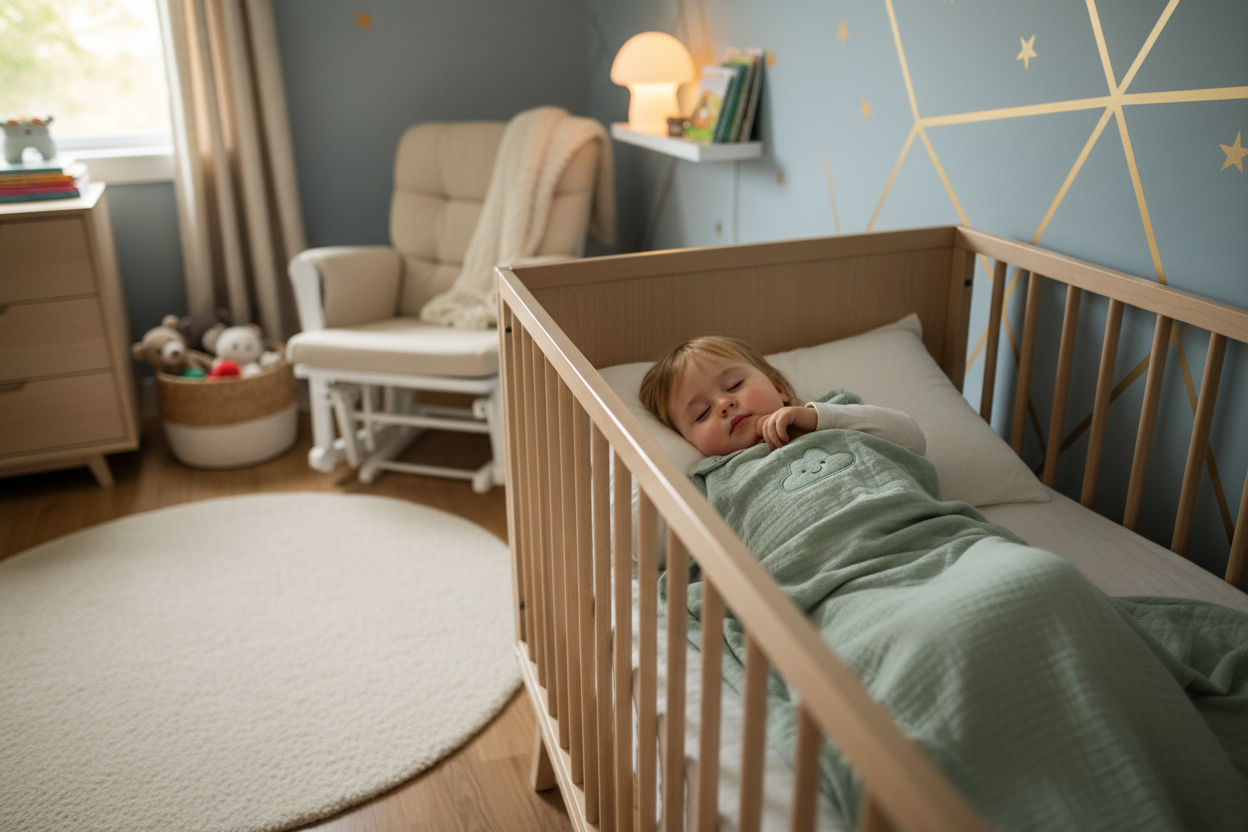


Leave a comment
This site is protected by hCaptcha and the hCaptcha Privacy Policy and Terms of Service apply.