

Baby Sleeping With Mouth Open: Is It Normal? 👶😴
You peek into your baby's crib before heading to bed and notice something unexpected—their little mouth is hanging open while they sleep.
It's a common sight, but it can leave parents wondering whether everything is okay. Is your baby simply in a deep sleep, or could it be a sign of congestion or another issue?
The answer depends on how often it happens and whether it's accompanied by other symptoms. In many cases, occasional mouth-open sleeping is harmless, but persistent mouth breathing deserves a closer look.
Understanding the possible causes can help you decide when simple home care is enough and when it's time to speak with your pediatrician.
---Quick Answer
 ---
---
Why Do Babies Sleep With Their Mouth Open?
Babies naturally prefer to breathe through their noses. If their nose becomes blocked—even temporarily—they may switch to breathing through their mouth while sleeping.
A stuffy nose caused by a mild cold, dry indoor air, or seasonal allergies can all contribute to occasional mouth breathing.
Sleeping position, temporary congestion, and even teething-related nasal swelling may also make nasal breathing more difficult for short periods.
Quick fact: Healthy babies are primarily nose breathers, especially during infancy, so persistent mouth breathing should be discussed with a healthcare provider.---
Common Causes
--- ---
---
Bubble Panda Expert Tip 🤍
A cool, comfortable nursery with appropriate humidity and breathable bamboo sleepwear may help babies sleep more comfortably when they're dealing with mild nighttime congestion. However, persistent mouth breathing should always be evaluated by your pediatrician.
Pediatrician Perspective
Most healthy babies naturally breathe through their noses during sleep. If your baby occasionally sleeps with their mouth open because of a temporary cold or stuffy nose, it's usually not a cause for concern.
However, persistent mouth breathing—especially when combined with loud snoring, pauses in breathing, difficulty feeding, poor weight gain, or restless sleep—should be discussed with your pediatrician. These symptoms may indicate an underlying issue that needs evaluation.
If you're ever worried about your baby's breathing, trust your instincts and seek medical advice promptly.
How to Help Your Baby Breathe More Comfortably
If your baby has mild nasal congestion, these simple steps may help improve comfort during sleep.
Parent Checklist
Monitor your baby for:
- ✓ Occasional versus frequent mouth-open sleeping.
- ✓ Signs of nasal congestion.
- ✓ Loud snoring or noisy breathing.
- ✓ Difficulty feeding or poor sleep quality.
- ✓ Pauses in breathing or unusual breathing effort.
- ✓ Improvement after congestion clears.

When to Contact Your Pediatrician
Regional Tips
California: Dry indoor air from heating or air conditioning can sometimes contribute to nasal dryness. Monitoring indoor humidity may help improve comfort.
Texas: During allergy seasons, pollen may contribute to temporary nasal congestion in some children. Discuss persistent symptoms with your pediatrician.
Florida: High humidity can sometimes make congestion feel worse. Keeping your nursery clean and well-ventilated may improve comfort.
Colorado: Dry climates may increase nasal dryness, making comfortable humidity levels particularly important for some babies.
Product Recommendation
While a sleep sack won't treat nasal congestion or mouth breathing, creating a comfortable sleep environment can help your baby rest more peacefully. A cool nursery, appropriate humidity, and breathable sleepwear all work together to support healthy sleep habits.
The Bubble Panda Bamboo Sleep Sack Collection is made with naturally breathable bamboo fabric that helps regulate comfort throughout the night while replacing loose blankets with a safer sleep solution.
For warmer nurseries, many parents choose the Bubble Panda 0.5 TOG Bamboo Sleep Sack to help reduce overheating while maintaining a cozy sleep environment.
If you're unsure which TOG rating is appropriate for your nursery, visit our TOG Rating Chart for easy guidance based on room temperature.
Related Reading
👉 What Is the Best Humidity Level for Baby Sleep?
👉 Can Babies Sleep With Air Conditioning On?
Final Answer
Occasionally sleeping with an open mouth is often harmless, especially if your baby has a temporary stuffy nose from a cold or dry indoor air. In many cases, normal nasal breathing returns once the congestion improves.
However, if your baby consistently sleeps with their mouth open or also snores loudly, struggles to breathe, has feeding difficulties, or seems unusually restless, it's important to speak with your pediatrician. Early evaluation can help identify and address any underlying causes.
Supporting a comfortable sleep environment—with breathable sleepwear, a suitable nursery temperature, and healthy humidity levels—can also help your baby sleep more comfortably while they recover from minor congestion.
Frequently Asked Questions
Is it normal for my baby to sleep with their mouth open?
Occasional mouth-open sleeping can be normal, particularly during a cold or when the nose is temporarily blocked. Persistent mouth breathing is less common and should be discussed with your pediatrician.
Can dry air cause my baby to sleep with their mouth open?
Dry indoor air may contribute to nasal irritation or congestion, making mouth breathing more likely for some babies. Maintaining comfortable indoor humidity may help improve comfort.
Should I worry if my baby snores and sleeps with their mouth open?
Loud snoring, frequent mouth breathing, pauses in breathing, or difficulty feeding should be evaluated by a healthcare provider, as these symptoms may indicate an underlying airway concern.
Help Your Baby Sleep More Comfortably Every Night 💚😴
A comfortable nursery starts with breathable sleepwear, the right room temperature, and a consistent bedtime routine. Explore Bubble Panda's bamboo sleep sacks for every season.
SHOP ALL SLEEP SACKS VIEW TOG GUIDE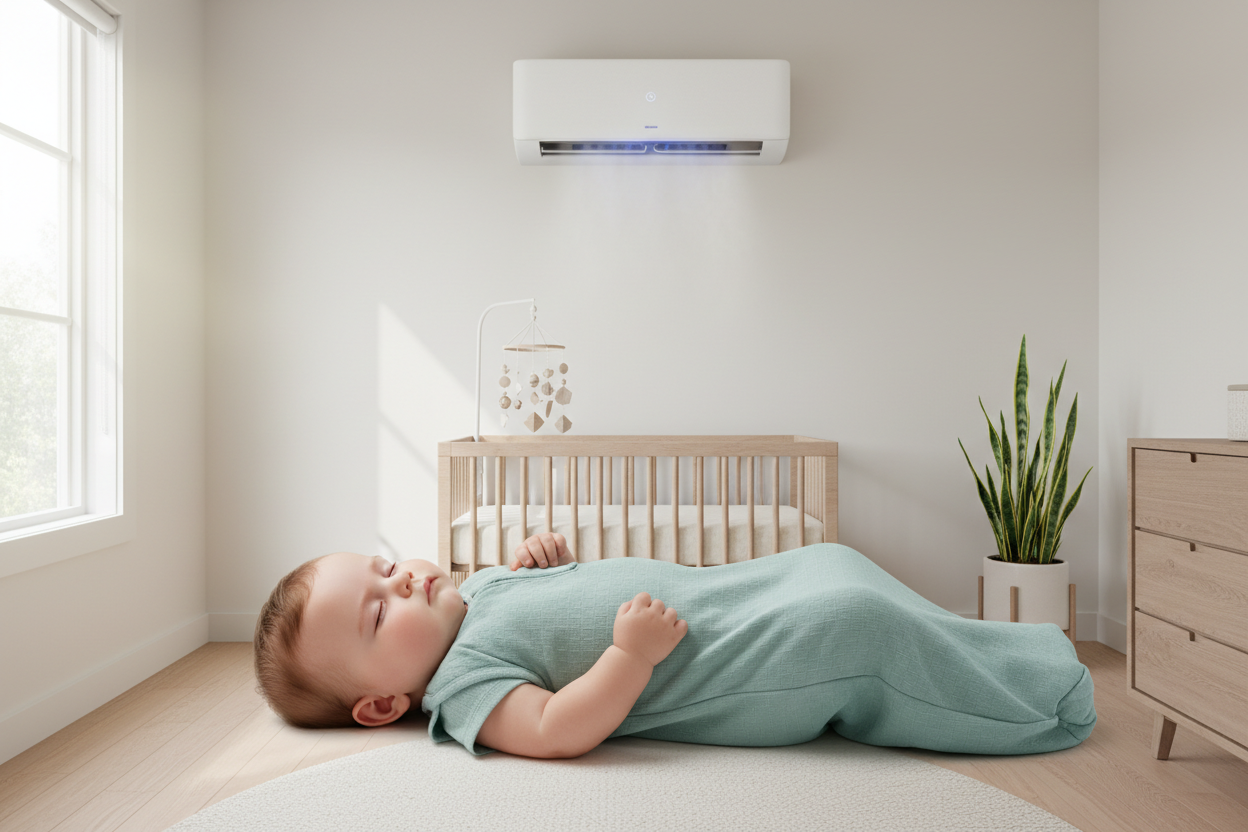



Leave a comment
This site is protected by hCaptcha and the hCaptcha Privacy Policy and Terms of Service apply.