
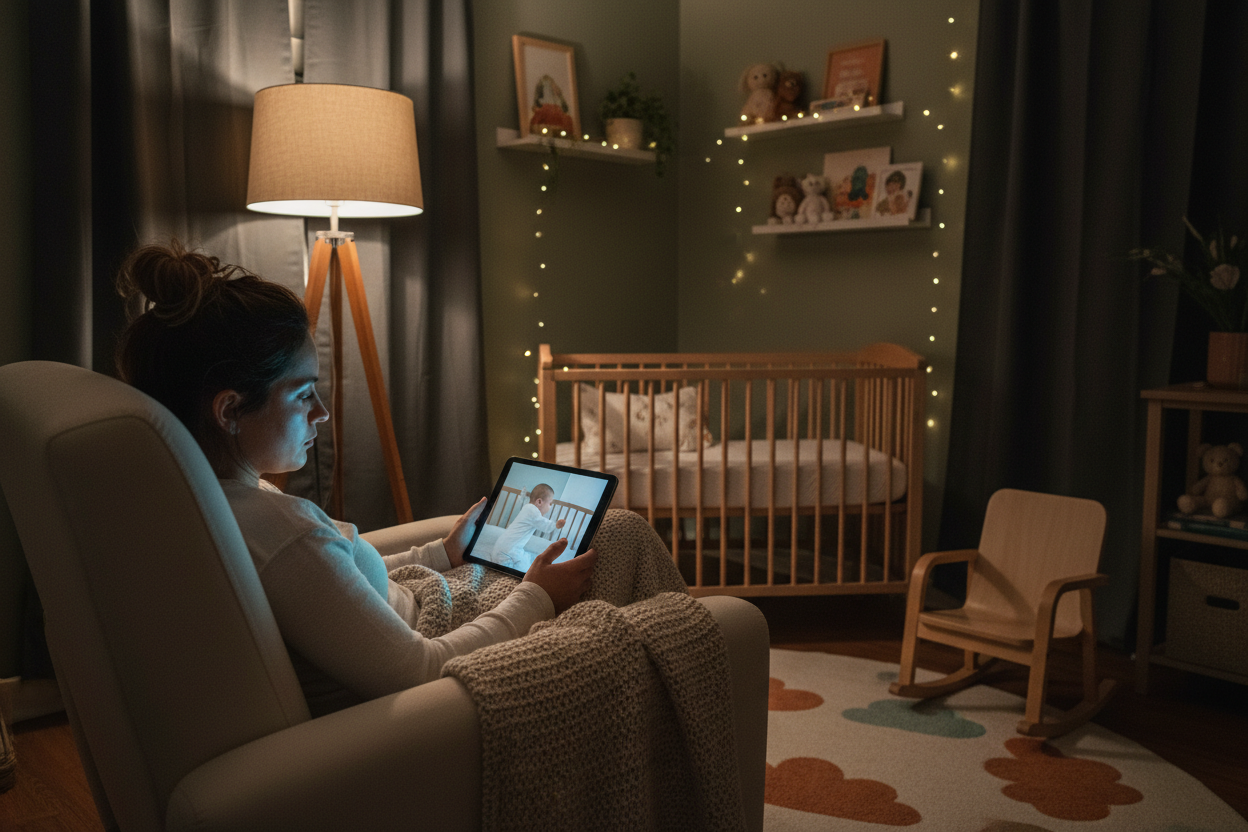
Baby Wakes Up 30 Minutes After Falling Asleep: Causes and Solutions 😴👶
You finally get your baby to sleep.
You sit down, enjoy a few quiet moments, and then—30 minutes later—your baby is awake again.
If this sounds familiar, you're far from alone.
Many babies wake up after about 30 minutes of sleep, especially during naps and the first part of the night.
Quick Answer

Why 30 Minutes Matters
Many babies have relatively short sleep cycles compared to adults.
Around the 30–45 minute mark, babies often transition between sleep cycles.
Some babies move smoothly into the next cycle, while others wake fully and need help settling again.
1. Overtiredness
One of the most common reasons for short sleep is overtiredness.
When babies stay awake longer than they comfortably can, falling asleep may be easier than staying asleep.
Signs may include:
- Difficulty settling
- Frequent night waking
- Short naps
- Increased fussiness before bed
2. Undertiredness
Sometimes the opposite is true.
A baby who hasn't been awake long enough before sleep may simply not be ready for a longer sleep period.
3. Environmental Disturbances
Around the end of a sleep cycle, babies may become more sensitive to their surroundings.
Common disruptions include:
- Noise
- Temperature changes
- Light entering the room
- Household activity

4. Developmental Milestones
Rolling, crawling, standing, and other developmental leaps can temporarily affect sleep patterns.
Many parents notice increased wakeups during periods of rapid development.
5. Sleep Associations
Some babies learn to fall asleep under very specific conditions.
When they partially wake between sleep cycles, they may look for those same conditions again.
How To Encourage Longer Sleep
Follow Age-Appropriate Wake Windows
Balancing wake time often helps improve sleep quality.
Create A Consistent Bedtime Routine
Predictable routines help babies recognize that sleep is approaching.
Optimize The Sleep Environment
- Dark room
- Comfortable temperature
- Minimal distractions
- Consistent sleep space
Use Consistent Sleepwear
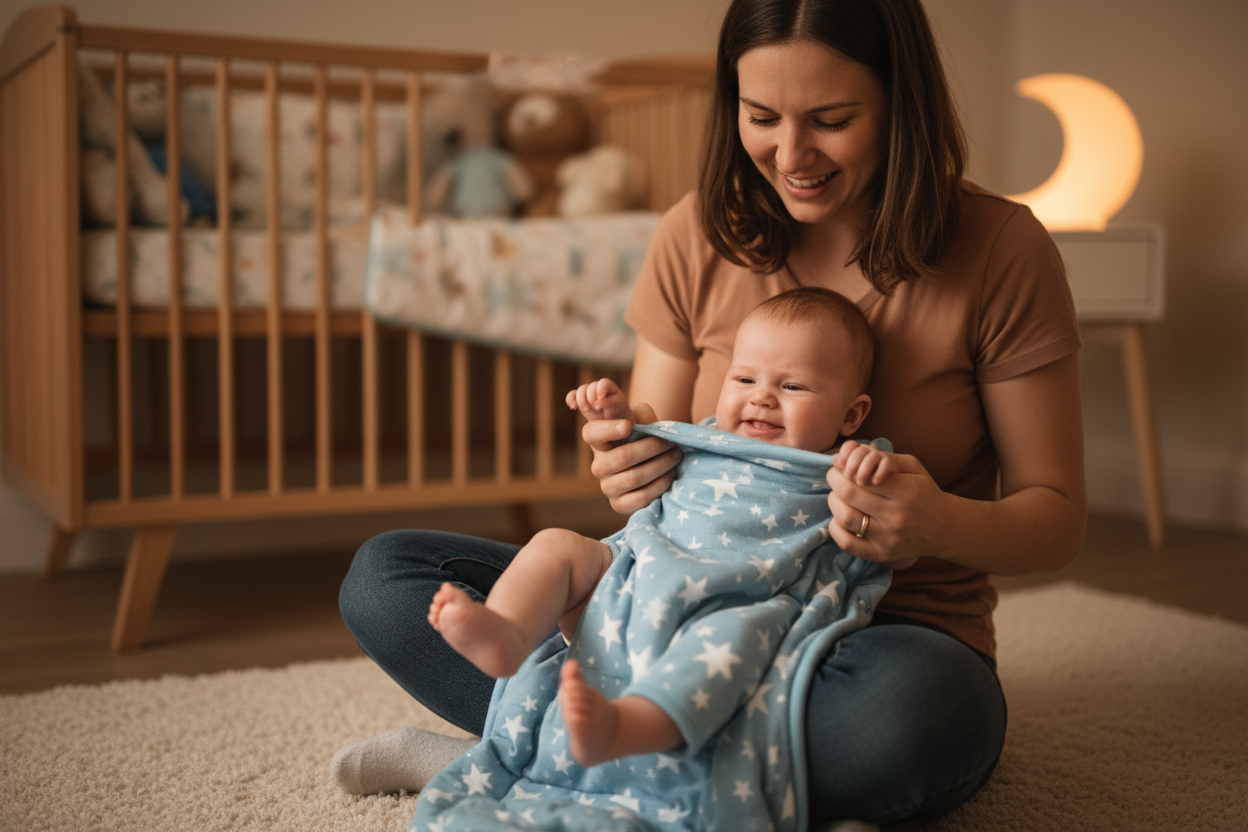
Many parents find that sleep sacks become part of a recognizable bedtime routine.
The familiar feel of a sleep sack may help support sleep consistency.
Regional Considerations
Parents in Texas and Florida often find that warmer room temperatures contribute to nighttime wakeups during summer months.
California families may notice seasonal sleep changes during heatwaves.
In New York City, apartment noise and changing temperatures can occasionally interrupt sleep cycles.
Comfortable room conditions remain important regardless of location.
When Should Parents Be Concerned?
Short naps and brief sleep cycles are usually a normal part of infant development.
If sleep difficulties are severe, persistent, or accompanied by feeding or health concerns, consider discussing them with your pediatrician.

Final Thoughts
A baby waking 30 minutes after falling asleep can feel frustrating, but it's also one of the most common sleep concerns parents experience.
By focusing on sleep routines, appropriate wake windows, and a comfortable sleep environment, many families gradually see longer stretches of sleep emerge.
Remember that sleep development is a process, and occasional short naps are completely normal.
👉 Related: When Do Babies Sleep Through the Night?
👉 Related: Baby Fights Sleep at Bedtime
👉 Related: Is My Baby Too Hot at Night?
Support Better Bedtime Routines ✨
Discover breathable bamboo sleep sacks designed to become part of a comforting bedtime routine.
SHOP SLEEP SACKS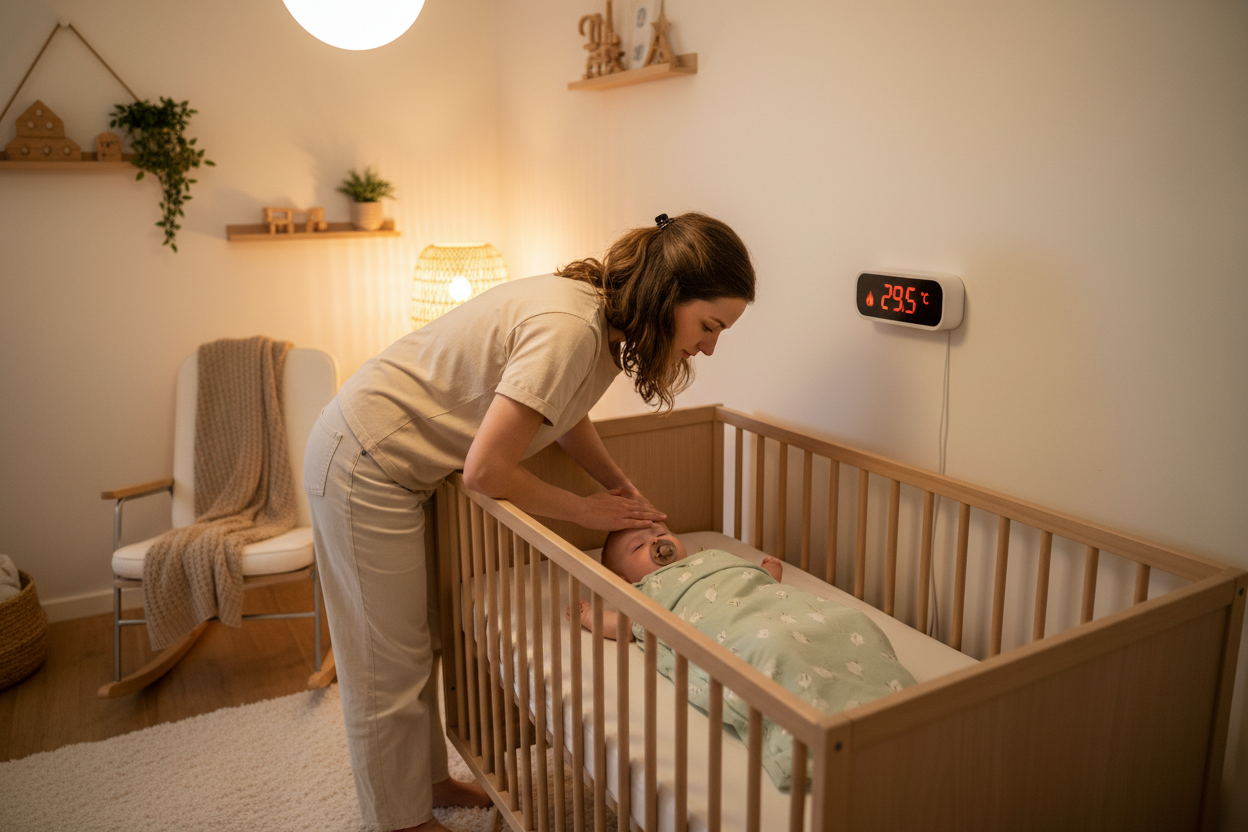


Leave a comment
This site is protected by hCaptcha and the hCaptcha Privacy Policy and Terms of Service apply.