
BABY SLEEP • TEMPERATURE • SLEEP SACK GUIDE
Baby Sweating but Hands Are Cold? What Parents Should Know
Your baby's neck feels warm. Their pajamas are a little damp. But then you touch their hands—and they're cold. So which is it: too hot or too cold?
Quick Answer 💚
If your baby is sweating but their hands feel cold, don't use their hands alone to decide whether they are too hot or too cold. Hands and feet can feel cooler than the rest of the body. Instead, check your baby's chest, upper back, or neck and look at the overall picture. Sweating, a hot chest, flushed skin, or unusual restlessness can be signs that your baby is too warm. The American Academy of Pediatrics recommends avoiding overheating during sleep.
It usually happens in the middle of the night.
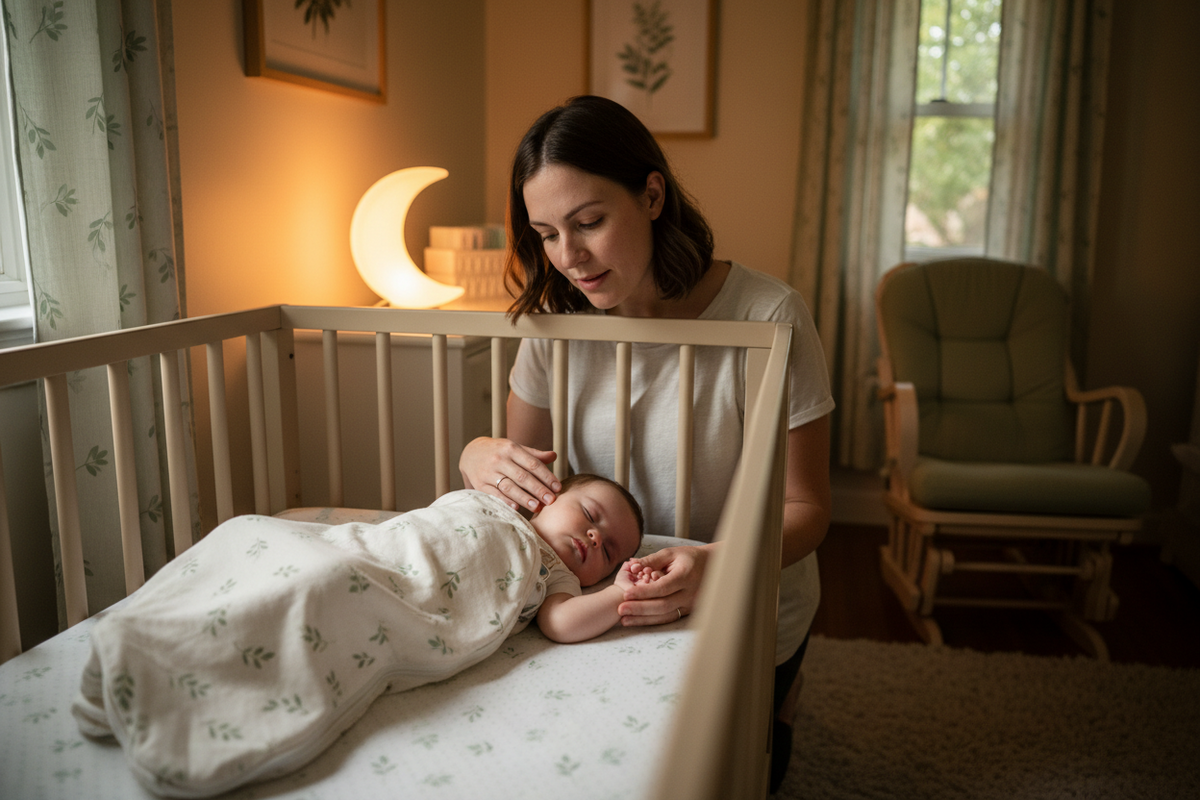
You reach into the crib to check on your baby.
Their little hands feel cool.
But their neck feels warm—and maybe even a little sweaty.
Suddenly you're standing there wondering: “Do I need another layer, or am I already dressing my baby too warmly?”
This is one of those baby-sleep questions that sounds simple until you're actually standing next to the crib at 2 a.m.
The good news is that cold hands don't automatically mean your baby is cold.
Why Can a Baby Sweat While Their Hands Feel Cold?
The temperature of your baby's hands isn't always a good reflection of their overall body temperature.
Hands and feet can feel cooler because the body doesn't distribute heat evenly to every part of the skin. That's why parents can sometimes feel cool fingers while the baby's chest or back feels much warmer.
What matters more is your baby's overall comfort and the temperature of the core areas of the body.

Image Prompt: Realistic American nursery at night, parent gently checking a sleeping baby's neck and hands, baby wearing a lightweight sleep sack, warm cream nursery, subtle sage green accents, soft natural nighttime lighting, authentic parenting editorial photography, calm bedtime atmosphere, realistic skin texture, no text, no logos.
What Should You Check Instead?
If you're trying to figure out whether your baby is too warm, start with the areas closest to the body's core.
The American Academy of Pediatrics specifically recommends watching for sweating, a hot chest, or flushed skin as signs of overheating.

Image Prompt: Realistic American parent checking a baby's upper back while the baby sleeps peacefully, close-up parenting moment in a neutral nursery, soft evening light, cream and sage color palette, realistic editorial photography, natural skin texture, reassuring mood, no text, no logos.
1. Check the Room Before Adding a Layer 🌡️
One of the easiest mistakes to make is dressing your baby based on how the weather feels outside.
But your baby sleeps indoors.
Air conditioning, heating, fans, insulation, and even the location of the nursery can make the indoor environment very different from the temperature outside.
Before changing your baby's sleepwear, check the actual room temperature. Then use your sleep sack's TOG rating and the manufacturer's layering guidance to decide what goes underneath.
2. Don't Dress for Cold Hands Alone
This is probably one of the biggest lessons for new parents:
If your baby's hands are cool but their chest feels comfortably warm and they're otherwise comfortable, you may not need to add another layer.
Adding clothing simply to warm cold hands can accidentally make the rest of the body too warm.
3. Look at the Sleep Sack TOG, Not Just the Fabric
“Bamboo” doesn't automatically tell you how warm a sleep sack will be.
TOG is designed to describe thermal insulation, which makes the rating an important part of choosing sleepwear for the room temperature.
For example, Bubble Panda's 0.5 TOG bamboo sleep sacks are designed as a lightweight option for warmer sleeping environments.
If your nursery is cooler, a different TOG rating may be more appropriate. The key is matching the sleep sack and clothing layers to the actual room conditions rather than choosing based only on whether your baby's hands feel cold.
4. Think About the Layers Underneath
Sometimes the sleep sack isn't the problem at all.
A baby wearing a lightweight sleep sack can still become warm if the clothing underneath is too heavy for the room temperature.
| Situation | What to Consider |
|---|---|
| Warm nursery | Lighter clothing + lower TOG may be appropriate |
| Moderate nursery | Use the manufacturer's TOG layering guidance |
| Cool nursery | Consider warmer sleepwear while still avoiding overheating |
When adjusting layers, make one change at a time. That makes it easier to understand what actually helped.
5. Keep the Sleep Space Simple
When parents worry that their baby might be cold, the instinct is often to add something to the crib.
But infant sleep safety guidance recommends keeping the sleep space clear.
The CPSC's safe-sleep guidance says to keep the crib, bassinet, or play yard free of loose blankets, pillows, and other soft items. A properly fitted wearable sleep layer can be used instead of relying on loose bedding.
What About Warm-Weather States? ☀️
For families in Florida, nighttime humidity can make a baby feel warmer even when the room doesn't seem extremely hot.
In these conditions, parents may want to pay closer attention to sweating and the room's actual temperature instead of trying to warm cool hands with extra layers.
Bubble Panda Expert Tip 🤍
If you find yourself checking your baby's hands every few hours, try creating a simple bedtime checklist instead:
- Check the nursery temperature.
- Choose the appropriate TOG.
- Choose clothing layers based on the room temperature.
- Check your baby's chest or upper back rather than relying on hands and feet.
- Look for signs of overheating such as sweating or flushed skin.
This is much more useful than repeatedly adding or removing layers because your baby's fingers feel cool.
A Quick Safe-Sleep Reminder
Temperature is only one part of the sleep environment.
The American Academy of Pediatrics recommends placing babies on their backs for every sleep and avoiding overheating. The CPSC also recommends keeping the infant sleep space bare, with only a fitted sheet on the sleep surface.
- Always place baby on their back to start sleep.
- Keep the crib or bassinet free of loose blankets and pillows.
- Use properly fitted sleepwear.
- Avoid excessive layers and watch for signs of overheating.
This article is for general parenting education and is not a substitute for medical advice. If your baby has unusual sweating, difficulty breathing, fever, persistent lethargy, or other concerning symptoms, contact your pediatrician or seek appropriate medical care.

Image Prompt: Realistic American nursery with a baby comfortably sleeping in a lightweight bamboo sleep sack, warm-weather sleep environment, soft cream nursery, subtle sage green accents, natural lifestyle photography, peaceful summer bedtime atmosphere, realistic details, no text, no logos.
Parent Checklist: Baby Sweaty but Hands Are Cold
☐ Check the nursery temperature
☐ Check baby's chest, neck, or upper back
☐ Look for sweating or flushed skin
☐ Review the sleep sack's TOG rating
☐ Review the clothing layers underneath
☐ Don't add loose blankets to the crib
☐ Contact your pediatrician if something seems medically unusual
Myth vs. Fact
✅ Fact: Hands and feet can feel cool even when the baby's core is comfortably warm.
✅ Fact: Sweating is a reason to reassess the overall sleep environment and layers rather than focusing on one body part.
✅ Fact: For infants, the sleep space should remain free of loose blankets and other soft objects.
The Simple Answer 🌙
If your baby's hands are cold but their neck or chest is warm and they're otherwise comfortable, cold hands alone don't necessarily mean they need another layer.
If your baby is sweating, has a hot chest, flushed skin, or seems unusually uncomfortable, reassess the room temperature, clothing layers, and sleep sack TOG.
Think overall body comfort—not just cold fingers.
Finding the Right Sleep Sack for Warm Nights
If your baby tends to sleep warm, a lightweight sleep sack can be a useful part of a simple bedtime setup.
Bubble Panda's Bamboo 0.5 TOG Sleep Sack Collection is designed for warmer sleeping environments and summer use.
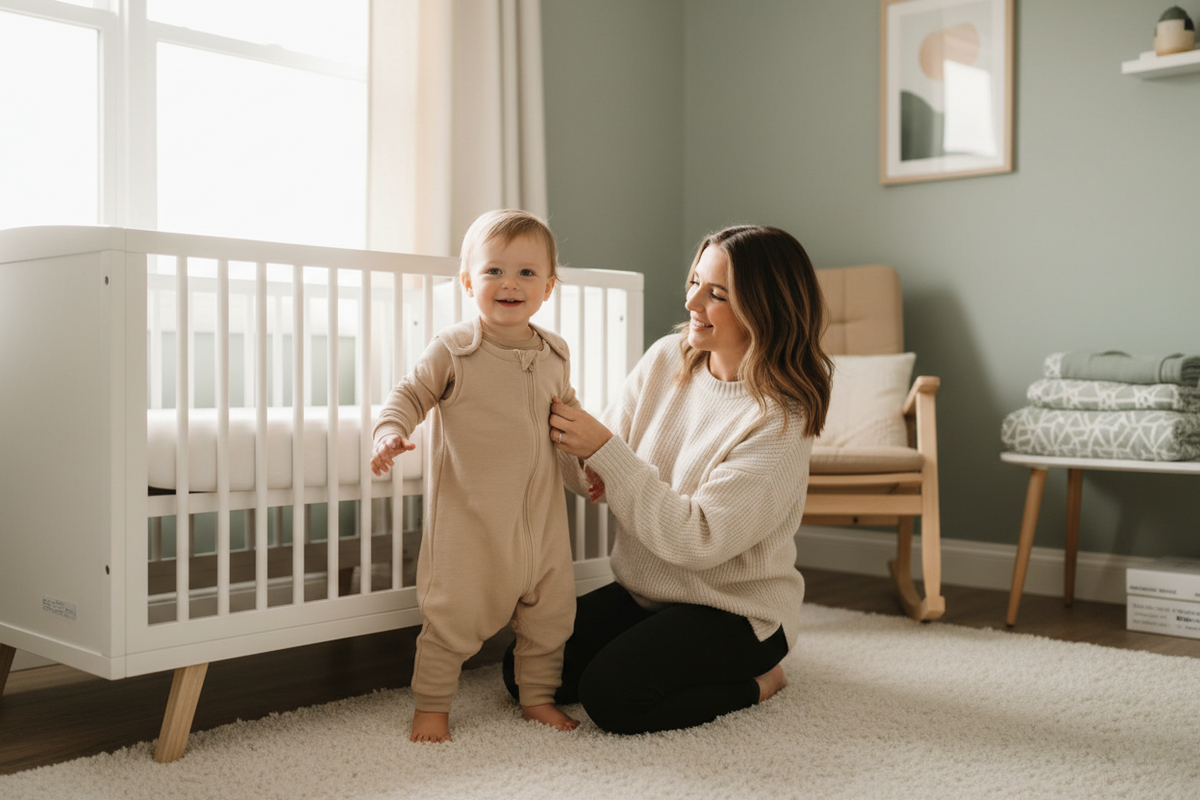
For babies who are becoming more mobile, crawling, pulling to stand, or walking, the Walker Sleep Sack Collection provides a different design with more freedom around the legs.
The goal isn't to choose the thickest or thinnest sleep sack. It's to choose the right sleepwear for your baby's room, developmental stage, and bedtime routine.
Keep Reading 💚
Frequently Asked Questions
Why is my baby sweating but their hands are cold?
Hands and feet can feel cooler than the rest of the body. If your baby is sweating, check the neck, chest, or upper back and reassess the room temperature and clothing layers rather than relying on hand temperature alone.
How can I tell if my baby is too hot at night?
Signs of overheating can include sweating, a hot chest, flushed skin, or unusual restlessness. Parents should consider the room temperature and the baby's clothing and sleep sack layers.
Should I add a blanket if my baby's hands are cold?
For infants, don't add loose blankets to the sleep space simply because their hands feel cool. Instead, review the room temperature and use appropriately fitted sleepwear and layers.
Stop Guessing About Baby's Sleep Temperature 🌿
Check the room. Check the core. Check the TOG. Then choose the sleepwear that fits your baby's actual sleep environment.
FIND THE RIGHT BABY SLEEP SACK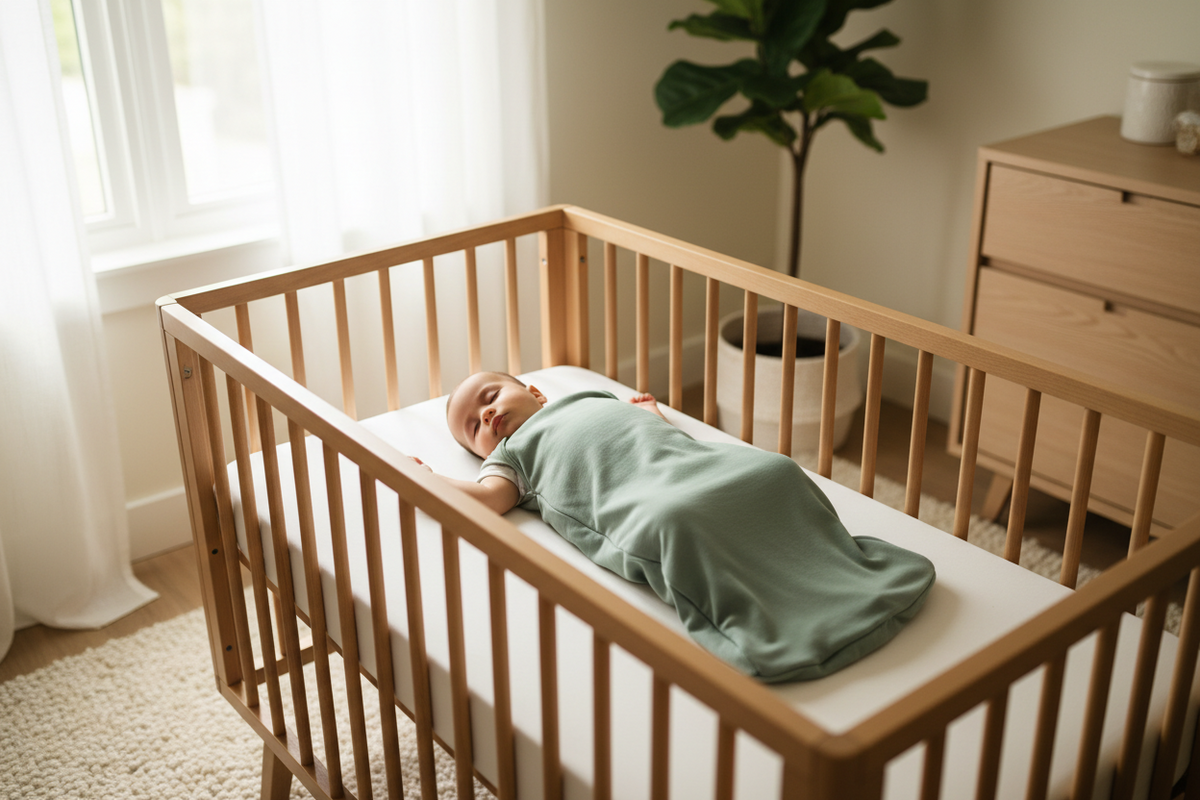


Leave a comment
This site is protected by hCaptcha and the hCaptcha Privacy Policy and Terms of Service apply.