
Baby Only Sleeps When Held: Why It Happens & How to Help 🤱💚
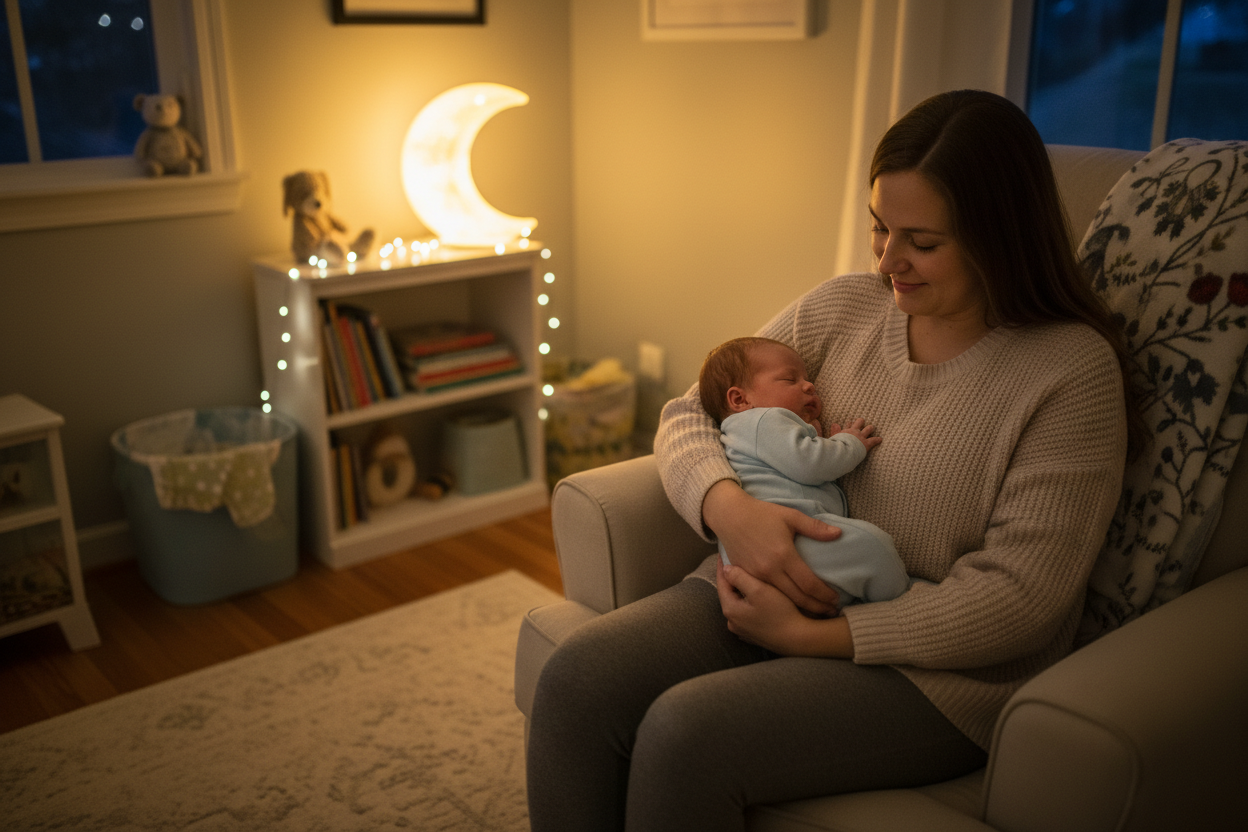
Your baby finally falls asleep peacefully in your arms.
You slowly walk toward the crib, gently lower them onto the mattress…
…and within seconds, their eyes pop open and the crying begins.
If you've found yourself spending every nap or bedtime holding your baby just so they can sleep, you're far from alone.
Many parents wonder:
"Why does my baby only sleep when I'm holding them?"
The reassuring news is that this is very common, especially during the first months of life. Babies are adjusting to life outside the womb and naturally seek the warmth, movement, and comfort of their caregivers.
With time, patience, and a consistent sleep routine, many babies gradually become more comfortable sleeping independently.
Quick Answer

Why Do Babies Prefer Sleeping While Being Held?
For a newborn, being held feels familiar. During pregnancy, babies constantly experienced warmth, gentle movement, and the sound of a heartbeat.
After birth, your arms recreate many of those comforting sensations, helping your baby feel secure enough to relax into sleep.
- ✓ Warmth and body heat.
- ✓ Gentle movement.
- ✓ Familiar heartbeat.
- ✓ Your voice and scent.
- ✓ Feeling protected.
1. Your Baby Is Seeking Comfort
Young babies are biologically wired to stay close to their caregivers. Wanting to sleep while being held is a normal developmental behavior—not a sign that you're creating a bad habit.
As babies grow and their nervous systems mature, many naturally become more comfortable sleeping in their own sleep space.
2. The Startle Reflex May Wake Your Baby
Many newborns experience the Moro (startle) reflex, which can cause sudden arm movements when they are laid down.
If this happens shortly after falling asleep, your baby may wake before reaching deeper stages of sleep.
3. Your Baby May Have Developed Sleep Associations
Babies learn through repetition. If every nap and bedtime begins in your arms, your baby may begin to associate being held with falling asleep.
That doesn't mean you've done anything wrong—it simply means your baby has learned a familiar way to settle.
4. Contact Sleep Can Feel More Comfortable
Being held provides constant warmth, gentle pressure, and reassuring movement. These sensations may make it easier for some babies to remain asleep between sleep cycles.
Bubble Panda Sleep Tip 🤍
Wanting to be held is a normal part of early development. As your baby grows, a calm bedtime routine and familiar sleep cues can gradually make independent sleep feel more comfortable.
How to Help Your Baby Sleep Without Being Held
There is no magic switch that teaches babies to sleep independently overnight. Like many developmental skills, learning to fall asleep in a crib happens gradually.
The goal is not to stop comforting your baby—it is to gently introduce consistent routines that help your baby feel secure in their own sleep space.
1. Create a Consistent Bedtime Routine
Babies thrive on predictability. Repeating the same calming steps before naps and bedtime helps signal that sleep is coming.
Example bedtime routine:
- ✓ Dim the lights.
- ✓ Change diaper.
- ✓ Put on comfortable pajamas.
- ✓ Put on a sleep sack.
- ✓ Read a short book or sing a lullaby.
- ✓ Gentle cuddle before laying baby down.
2. Practice Putting Baby Down When Calm
Some families find it helpful to place their baby in the crib when they are calm and sleepy rather than waiting until they are in a deep sleep.
Every baby is different, so there is no single approach that works for everyone. The important thing is staying patient and consistent.

3. Make the Sleep Environment Comfortable
A calm sleep environment can help babies transition from your arms to the crib more comfortably.
4. Give Your Baby Time to Adjust
Changing sleep habits often takes time. Some babies adapt quickly, while others need weeks of consistent practice before becoming more comfortable sleeping independently.
Responding to your baby's needs while gradually building new routines can help make the transition smoother.
Regional Tips for Better Baby Sleep
Texas: Holding a baby for long periods during hot weather can become uncomfortable for both parent and baby. Lightweight, breathable sleepwear may help keep your baby comfortable when transitioning to the crib.
Florida: High humidity can make contact sleep feel warmer. A cool, well-ventilated nursery and breathable fabrics can improve comfort.
California: Evening temperatures often change throughout the year, so adjust your baby's sleep layers according to the nursery temperature.
New York City: Apartment noise may interrupt sleep. Keeping a predictable bedtime routine can help create familiar sleep cues despite outside distractions.
Common Mistakes Parents Make
Bubble Panda Sleep Tip 🤍
Progress often comes from consistency rather than perfection. A familiar bedtime routine, comfortable sleepwear, and a calm sleep environment can help your baby gradually feel more confident sleeping independently.

Bubble Panda Sleep Sack Recommendation
Helping a baby move from contact sleep to independent sleep is a gradual process. A consistent bedtime routine gives babies familiar signals that it is time to rest.
For many families, putting on the same sleep sack before naps and bedtime becomes a comforting part of their daily routine.
The Bubble Panda Standard Sleep Sack Collection offers soft, breathable sleepwear designed to support comfortable sleep routines from day to night.
For warmer rooms or babies who tend to sleep hot, the Bubble Panda Bamboo 0.5 TOG Sleep Sack Collection provides a lightweight bamboo option for breathable comfort.
For babies who are growing more active and beginning to crawl or stand, the Bubble Panda Walker Sleep Sack Collection offers extra room for movement while maintaining a familiar sleep routine.
Not sure which sleep sack warmth level fits your nursery? Use the Bubble Panda TOG Rating Chart to choose the right option based on room temperature.
Related Reading
👉 Why Does My Baby Fight Sleep at Bedtime?
👉 Why Does My Baby Wake Up After a 30-Minute Nap?
👉 Why Does My Baby Wake Up Every Night?
👉 When Do Babies Sleep Through the Night?
Final Thoughts
If your baby only sleeps when held, remember that this is a very common stage for many families.
Your baby's desire for closeness comes from a need for comfort and security. Over time, consistent routines and gentle transitions can help your baby become more comfortable sleeping independently.
- ✓ Create a predictable bedtime routine.
- ✓ Use consistent sleep cues.
- ✓ Practice crib sleep gradually.
- ✓ Keep the sleep environment comfortable.
- ✓ Choose breathable sleepwear.
- ✓ Give your baby time to adjust.
Every baby develops at their own pace. The goal is not rushing independence—it is helping your baby feel safe while building healthy sleep habits.
Frequently Asked Questions
Is it normal that my baby only sleeps when held?
Yes. Many babies prefer contact sleep because being held provides warmth, comfort, and security, especially during the early months.
How can I get my baby to sleep without being held?
Start with a consistent bedtime routine, create familiar sleep cues, and gradually practice placing your baby in their sleep space while calm.
Will holding my baby to sleep create bad habits?
Holding your baby for comfort is normal. As your baby grows, consistent routines can help them gradually become comfortable with independent sleep.
Create Comfort Before Every Sleep 💚🌙
Build a calming bedtime routine with breathable sleep sacks designed to help your baby feel comfortable through every sleep stage.
SHOP ALL SLEEP SACKS CHECK TOG GUIDE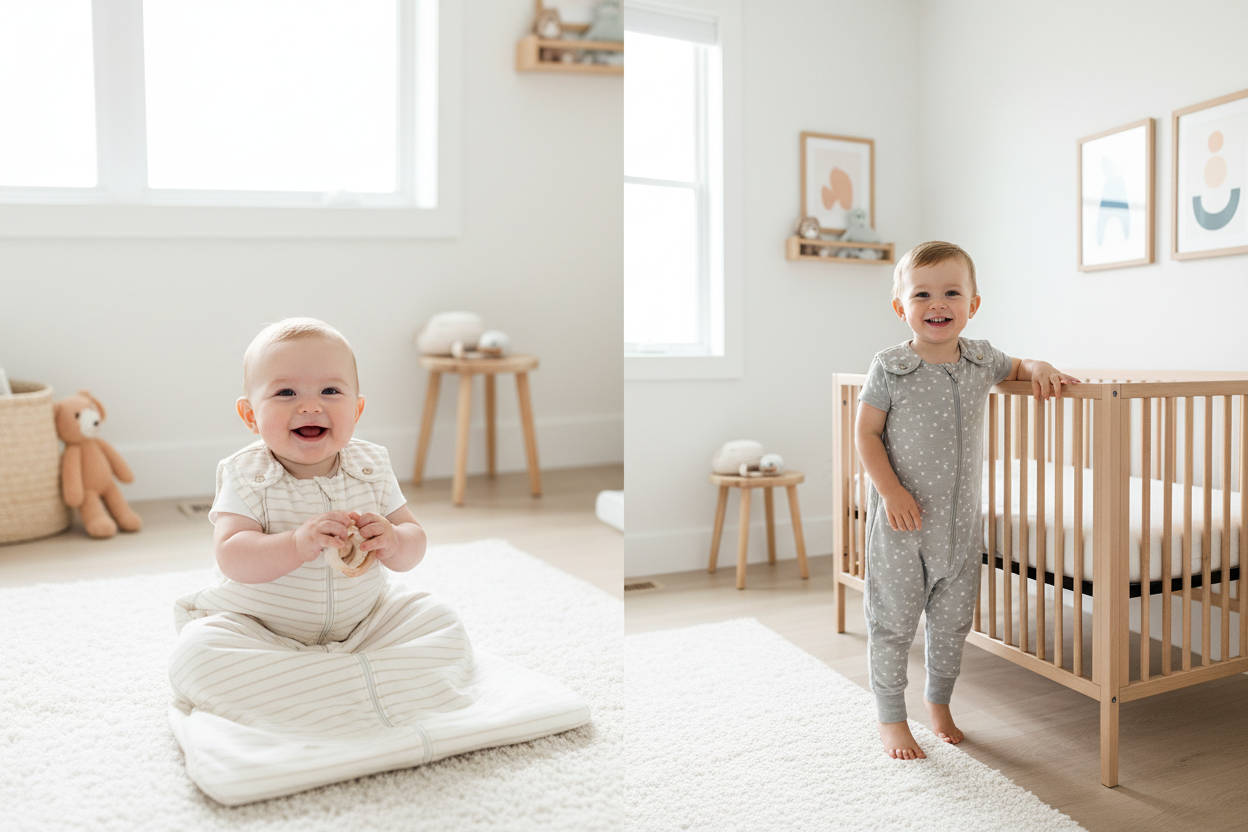


Leave a comment
This site is protected by hCaptcha and the hCaptcha Privacy Policy and Terms of Service apply.