
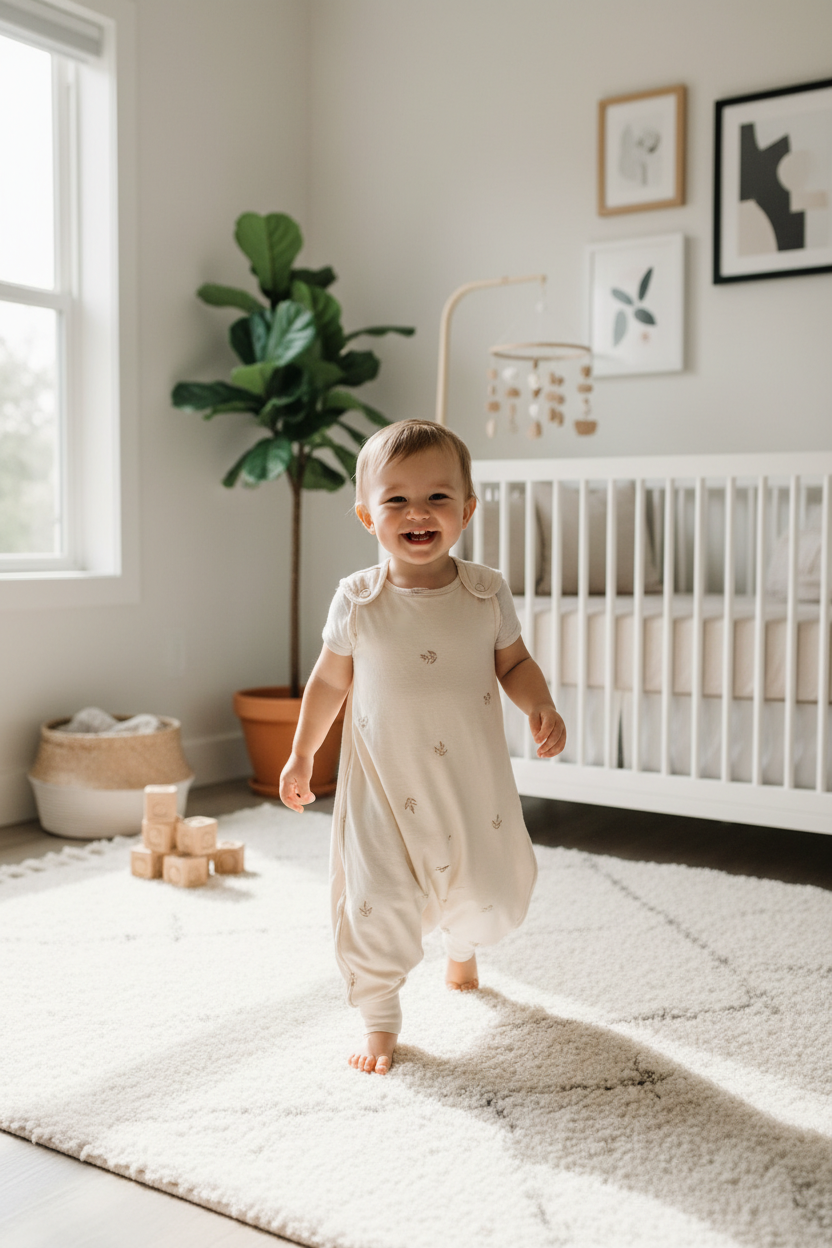
When Should Baby Start Using a Walker Sleep Sack? 🚶💚
It feels like it happened overnight.
Yesterday your baby was happily rolling across the floor. Today they're crawling at top speed, pulling up on furniture, or even taking their very first steps.
As your little one becomes more active, you may start wondering:
"Is it time to switch to a walker sleep sack?"
Many parents ask this question because they want bedtime to stay both safe and comfortable while supporting their baby's growing independence.
The good news is that there isn't one perfect age to make the switch. Instead, it's usually based on your baby's developmental milestones and mobility.
Quick Answer

What Is a Walker Sleep Sack?
A walker sleep sack is a wearable blanket designed with separate leg openings instead of a closed bottom.
This design allows active babies and toddlers to move around more freely before bedtime while still enjoying the comfort of wearable sleepwear.
- ✓ Comfortable for active sleepers.
- ✓ Allows natural leg movement.
- ✓ Supports crawling and walking before bedtime.
- ✓ Helps replace loose blankets.
Signs Your Baby May Be Ready
Every baby reaches milestones at their own pace. Instead of focusing on age, look for changes in how your baby moves.
Why Many Families Make the Switch
As babies become more active, some families prefer a walker sleep sack because it gives little ones more freedom to move before settling down for sleep.
Many toddlers also enjoy being able to stand or walk around briefly during bedtime routines without removing their sleepwear.
Bubble Panda Sleep Tip 🤍
Rather than choosing based on age alone, watch how your baby moves. Developmental milestones are often a better guide for deciding when a walker sleep sack may be a good fit.
Benefits of a Walker Sleep Sack
As babies grow into toddlers, bedtime routines often change. A walker sleep sack is designed to support this active stage while still providing the familiar comfort of wearable sleepwear.
Although every child develops differently, many families appreciate the added flexibility a walker sleep sack offers before and after sleep.
1. More Freedom to Move
Separate leg openings allow toddlers to crawl, stand, and walk more naturally before getting into bed.
Once it's time to sleep, they still enjoy the cozy feeling of a wearable blanket without loose bedding.

2. Standard Sleep Sack vs. Walker Sleep Sack
3. Choose the Right Size
A walker sleep sack should fit comfortably around the shoulders and chest while allowing enough room for natural leg movement.
Always follow the manufacturer's sizing recommendations instead of choosing a larger size to "grow into."
4. Select the Right TOG Rating
Just like standard sleep sacks, walker sleep sacks come in different warmth levels. Choosing the appropriate TOG rating based on your nursery temperature helps keep your child comfortable throughout the night.
Regional Tips for Active Toddlers
Texas: Warm evenings often call for lightweight, breathable sleepwear that keeps active toddlers comfortable during bedtime routines.
Florida: High humidity may make breathable bamboo fabrics especially comfortable for energetic little ones.
California: Seasonal temperature changes can affect nighttime clothing choices, so review sleep layers regularly.
New York City: During cooler months, adjust clothing layers according to room temperature rather than adding loose blankets.
Common Mistakes Parents Make
Bubble Panda Sleep Tip 🤍
As your child becomes more independent, keeping familiar bedtime routines while choosing sleepwear that matches their stage of development can make bedtime smoother for the whole family.

Bubble Panda Walker Sleep Sack Recommendation
As your baby grows into an active toddler, bedtime routines often evolve too. Choosing sleepwear that matches your child's stage of development can help make evenings more comfortable and predictable.
If your little one is crawling, pulling up, cruising, or taking their first steps, a walker sleep sack can offer extra freedom of movement while maintaining the cozy feel of a wearable blanket.
Explore the Bubble Panda Walker Sleep Sack Collection to find breathable bamboo sleep sacks designed for active little sleepers.
If your baby is not quite ready for a walker design, the Bubble Panda Standard Sleep Sack Collection remains a comfortable option for younger babies.
For warm-weather sleep, the Bubble Panda Bamboo 0.5 TOG Sleep Sack Collection offers a lightweight, breathable choice.
Need help choosing the right warmth level? Visit the Bubble Panda TOG Rating Chart to match clothing and TOG ratings with your nursery temperature.
Related Reading
👉 Baby Rolling in a Sleep Sack: Is It Safe?
👉 How Many Sleep Sacks Does a Baby Need?
👉 What Should Baby Wear to Sleep Tonight?
👉 Baby Only Sleeps When Held: Why It Happens & How to Help
Final Thoughts
There isn't one perfect age to switch to a walker sleep sack. Instead, the best time is when your baby's growing mobility and bedtime routine suggest they would benefit from extra freedom of movement.
Watching your child's developmental milestones—and choosing sleepwear that fits properly—can help make bedtime both comfortable and consistent.
- ✓ Baby is crawling confidently.
- ✓ Pulling up or cruising along furniture.
- ✓ Beginning to walk independently.
- ✓ Correct size sleep sack fits securely.
- ✓ TOG rating matches the nursery temperature.
- ✓ Bedtime routine stays consistent every night.
As your little one grows, small adjustments to sleepwear and routines can support every exciting new milestone.
Frequently Asked Questions
What age should babies start using a walker sleep sack?
There is no specific age. Many babies transition when they begin crawling, pulling to stand, cruising, or walking, depending on their development.
Is a walker sleep sack safer than a standard sleep sack?
They serve different purposes. A walker sleep sack is designed for more mobile babies and toddlers who benefit from greater freedom of movement before bedtime.
Can my toddler sleep all night in a walker sleep sack?
Yes. A properly fitted walker sleep sack can be worn throughout the night as part of a consistent bedtime routine, following the manufacturer's sizing and care guidance.
Ready for the Next Milestone? 💚🚶
Discover breathable Bubble Panda Walker Sleep Sacks designed to support active babies and toddlers through every stage of growth.
SHOP WALKER SLEEP SACKS CHECK TOG GUIDE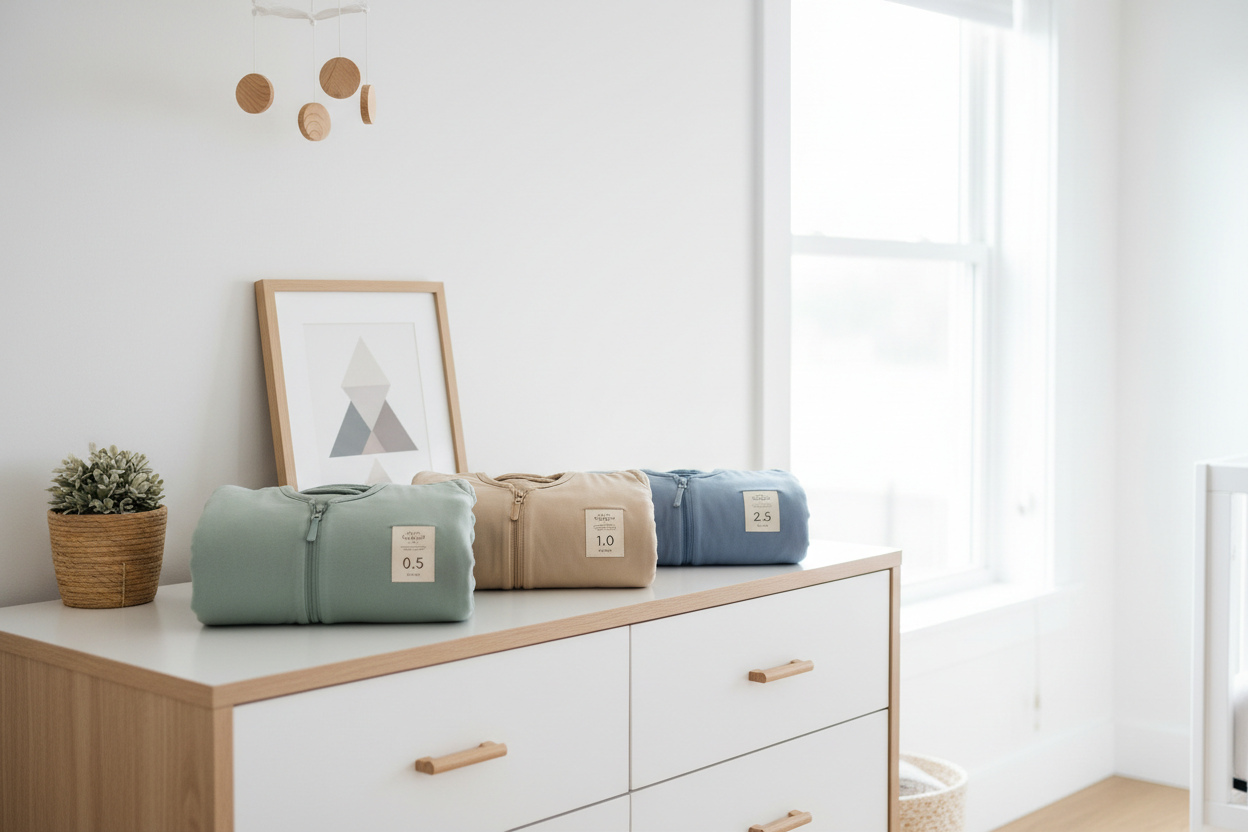


Leave a comment
This site is protected by hCaptcha and the hCaptcha Privacy Policy and Terms of Service apply.